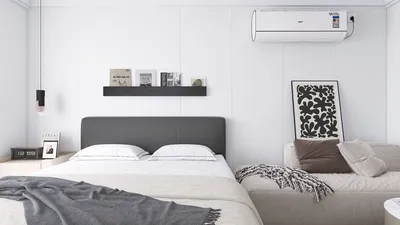


I often chuckle at the memory of a client requesting a recliner that doesn’t resemble a typical recliner for their compact 9 sqm studio — I nearly suggested a yoga mat as an alternative. This particular project prompted me to reevaluate proportions and ignited my fascination with chairs that cleverly blend into tight spaces, providing comfort, and enhancing a living area’s sense of spaciousness. If you're arranging a cozy living nook, consider these recliners and layout strategies, particularly with tools like Homestyler to visualize your space effectively.
1. Opt for a slim-profile recliner
I have a fondness for sleek-track recliners, which maintain the classic reclining functionality while minimizing bulk. The benefit is clear — you enjoy full comfort without a large footprint dominating the floor space; however, the trade-off is a limited selection in upholstery and mechanisms, which may require you to search a bit more diligently for the ideal model or accept a slightly higher price for a compact version.
save pin
2. Consider wall-hugger designs for tight clearances
Wall-hugger recliners are ingeniously designed to slide forward upon opening, allowing you to position them closer to the wall — a true blessing for narrow spaces. They work exceptionally well in tight living rooms, although some models may sacrifice recline angle due to their compact mechanism, so it's wise to try them out before making a purchase if possible.
save pin
3. Choose a swivel or glider for adaptable layouts
In a compact layout, versatility is essential: a narrow swivel recliner allows you to pivot towards the TV, window, or people without moving the sofa. If you're optimizing narrow kitchen seating arrangements, a swivel can even fit near kitchen islands to keep pathways clear. Be mindful, though; fully-featured swivels tend to be pricier and slightly taller, making it important to balance height with line-of-sight considerations.
save pin
4. Go for modular and armless designs for a lighter visual impact
Armless slim recliners or modular single-seat units project a lighter aesthetic in smaller areas — they occupy less visual space and can easily be tucked beside a bookshelf or under a window. I once swapped out a bulky sofa for two armless recliners in a tiny apartment, vastly enhancing the sense of space; the challenge lies in ensuring adequate lumbar support, so think about adding a slim lumbar pillow for extra comfort.
save pin
5. Select light fabrics, slender legs, and leverage 3D visualization
The choice of fabric and leg design can significantly influence how weighty a recliner appears: opting for lighter materials, subtle piping, and slim metal legs all contribute to a more airy feel. Before finalizing your choice, it’s beneficial to visualize your layouts; using tools like Homestyler to preview proportions and sightlines can help you avoid many returns and disappointments. A quick visualization check in 3D can also confirm that your selected recliner won’t obstruct movement or the view.
save pin
FAQ
Q1: What is considered a narrow recliner width?
A: I typically define narrow recliners as those measuring under 30 inches (approximately 76 cm). Measurements may vary across brands, so always verify seat and arm widths as well as the overall footprint.
Q2: Can a recliner fit in a small apartment without interfering with pathways?
A: Absolutely — selecting wall-hugger or slim-track designs allows you to position the chair in such a way that its reclined path does not obstruct primary walkways. It’s advisable to measure the full footprint when reclined before making a purchase.
Q3: Are leather or fabric materials better suited for compact spaces?
A: Both light-colored low-pattern fabrics and matte leathers work well; fabric tends to be softer and cozier, while leather can offer a sleeker appearance. Maintenance is also a factor: leather is easier to clean, whereas fabric may require some stain protection.
Q4: Is an armless recliner less comfortable than standard designs?
A: Not necessarily; armless models can provide adequate support if the seat depth and lumbar support are appropriately designed. I advise testing the depth in-store or reviewing return policies for online purchases.
Q5: How much clearance should I leave behind a recliner?
A: Wall-hugger models can fit just a few inches away from the wall, but traditional recliners generally require a clearance of 12–18 inches behind them. Always check the manufacturer's guidelines for recommended clearance.
Q6: Any tips for purchasing a narrow recliner on a budget?
A: Look for clearance sales, consider gently used higher-end options, or focus on the mechanism first and update the upholstery later. I’ve successfully saved considerable amounts by choosing a solid frame that I refurbished with new fabric.
Q7: Can a recliner be useful in a multifunctional room?
A: Definitely — opting for a compact swivel or armless chair can allow it to serve dual purposes, such as being both TV seating and a cozy reading nook. Modular pieces can make it easy to quickly rearrange the room for various functions.
Q8: Are recommendations for space-saving seating supported by designers?
A: Yes, organizations like the American Society of Interior Designers (ASID) highlight the importance of scale, circulation, and multifunctional furniture for success in small spaces (review ASID guidelines at https://www.asid.org). These principles are integral to my real-life project applications.
save pin
Homestyler is your go-to online home design platform! With its user-friendly design tool, stunning 3D renderings, and a wealth of inspiring design projects and DIY video tutorials, you can effortlessly transform your living space into your dream home. Start creating today!
Concevez maintenant gratuitement
































