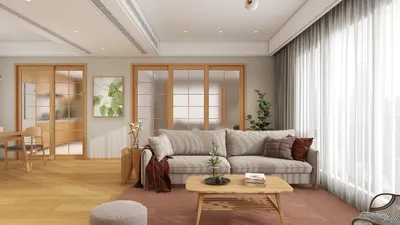


I once persuaded a client to regard a cluttered counter filled with various spice jars as a ‘design choice’—we both found humor in how the counter became nearly invisible beneath layers of basil and cumin. Small kitchens demand a level of honesty: the limited space can't conceal chaos; everything must be designed around it. If you’re looking for examples of space-saving layouts, I have explored numerous renovations to identify what truly works and what doesn't, and I’m excited to share the successes, failures, and the surprisingly attractive solutions.
1. Pull-out pantry cabinets
Pull-out pantry cabinets are among my favorite solutions as they transform narrow spaces into full-height storage options. These cabinets allow for complete visibility (no more forgotten cans hidden at the back) and are surprisingly budget-friendly to retrofit, although the drawer mechanisms may become a bit finicky over time.
save pin
2. Corner carousel + vertical dividers
Corners present prime opportunities in a compact kitchen. Implementing a lazy Susan or corner carousel alongside vertical dividers for baking sheets can optimize otherwise underutilized space. However, installation might be complex since some options require custom carpentry, yet the boost in accessibility makes it worthwhile.
save pin
3. Open shelving with labeled baskets
Open shelves ensure everything remains visible, compelling you to curate your items effectively—a wonderful strategy for small kitchens that thrive on discipline. Using uniform baskets and labels helps minimize chaos; while this approach is affordable and adaptable, consistency in cleaning is essential to prevent dust accumulation and clutter. To plan the layout of shelves and aisles, I often utilize quick 3D visuals through AI-driven design tools, like Homestyler, to avoid awkward configurations.
save pin
4. Built-in microwave and appliance garage
Concealing bulky items such as the microwave, toaster, and coffee maker within cabinetry not only frees up counter space but also promotes a cleaner aesthetic. Appliance garages are a refined option for compact kitchens, although they do come with increased costs and necessitate careful planning for ventilation. In a past project, I successfully installed a compact hood and discreetly placed the microwave above a pull-out pantry; the effect was an illusion of more space without the need to relocate walls.
save pin
5. Multi-use pantry nook with fold-down table
If you can create a shallow pantry nook, consider pairing it with a fold-down table to serve dual purposes for food preparation or casual dining—mixing functions is key to small-space design success. This approach is both innovative and engaging, utilizing modern, robust hardware; however, you may need to adapt to a reduced prep area. Before finalizing layouts, I appreciate incorporating design suggestions from AI tools like Homestyler to quickly experiment with various configurations.
save pin
Tips 1:
When planning, be sure to measure twice and create a 1:1 cardboard model of any new pull-out or nook—my clients are frequently surprised by how significantly a few inches can impact overall space feel.
save pin
FAQ
Q1: What is the finest pantry solution for extremely narrow kitchens?
A1: Pull-out pantry cabinets or tall slim cupboards are ideal, as they utilize vertical space efficiently while providing full visibility. They can snugly fit into gaps as narrow as 9–12 inches.
Q2: Are open shelves hygienic for pantry items?
A2: Open shelves work well for packaged goods and items stored in airtight containers, but closed cabinets are advisable for flours, sugars, and anything needing extra protection from pests and moisture.
Q3: How can I maintain a small pantry's organization long-term?
A3: Employ consistent containers, clear labeling, and dedicate 5–10 minutes weekly for tidying up. Baskets and pull-out trays minimize the need for re-stacking and facilitate easier item rotation.
Q4: Can an appliance garage impact ventilation?
A4: Certainly—enclosing appliances can trap heat inside. Always verify manufacturer clearance and ventilation specifications, considering vents or perforated panels if heat buildup poses a risk.
Q5: What’s an affordable way to add pantry storage?
A5: Install open shelving, utilize wall-mounted racks for mugs and utensils, and add magnetic spice strips on a backsplash. These options are cost-effective and create significant visual appeal.
Q6: What clearance is necessary for pull-out pantry doors?
A6: Generally, 24–30 inches of clearance is required in front to open the door or drawer comfortably; always check hardware specifics for precise requirements before finalizing layouts.
Q7: Are there formal guidelines for kitchen spacing I should adhere to?
A7: Yes. The National Kitchen & Bath Association (NKBA) offers recommended clearances and workflow advice; refer to their planning resources at https://nkba.org for definitive spacing standards.
Q8: Should I utilize software for planning small kitchen modifications?
A8: Definitely—digital mockups assist in identifying issues before construction begins. I often employ tools to quickly visualize clearance and storage possibilities.
save pin
Homestyler is your go-to online home design platform, featuring an easy-to-use design tool that transforms your ideas into stunning 3D renderings. Explore a vast array of design projects and enhance your skills with engaging DIY video tutorials. Bring your dream space to life effortlessly!
تصميم الآن مجانا
































