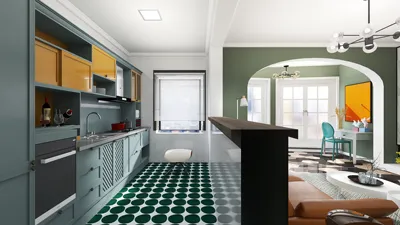


I once installed an adorable heater that resembled a lamp in a small studio — it created a lovely ambiance that the client adored, but we soon realized it was placed upon a flammable rug. This amusing incident led us to rework the layout and incorporate safety measures. It emphasized to me that small areas can lead to significant solutions when combining safety with thoughtful design. If you’re on the lookout at Home Depot for a space-saving heater, merging it with intelligent room layout strategies can reduce hassle and maximize your space.
1. Select the ideal heater style for your environment
Different kinds of heaters, such as convection heaters, oil-filled radiators, and ceramic fan units, react uniquely in limited spaces. I often recommend oil-filled radiators for their consistent background heat, while ceramic models offer immediate warmth by seating areas. The trade-off is clear: oil-based units are silent but take longer to warm up, while portable ceramic heaters are quick but can produce noise or dry the ambient air.
save pin
2. Emphasize placement and safety spacing
I advise my clients to visualize a three-foot safety bubble around any portable heater; in smaller apartments, this requires reconsidering the positioning of chairs, rugs, or laundry hampers. Although this might feel limiting, the benefit is a smoother flow of movement and fewer risks of fire hazards — a minor inconvenience for extensive peace of mind.
save pin
3. Integrate heating solutions with multifunctional furniture
When floor space is limited, I enjoy merging heating solutions with storage or seating areas: think about a heated throw on a bench, a discreet heater under a desk, or positioning a heater next to a built-in bench to retain valuable floor space. These designs require careful planning — keeping cords and heat-sensitive items in mind — but they create a more expansive and inviting atmosphere, informing wise choices, like those related to smart kitchen layouts when the cooking space is adjacent to living areas.
save pin
4. Employ zoned heating strategies instead of heating the entire room
In a studio apartment, I frequently create micro-zones: a cozy reading nook, a snug sleeping space, and a cooler cooking area. Using zone heating helps reduce energy costs and allows for the use of a smaller, more economical heater in the area where you spend the most time; just keep in mind the trade-off with temperature differences throughout the room.
save pin
5. Visualize your space with 3D models before purchasing
Before anyone decides on a compact heater or rearranges their furniture, I like to produce a quick 3D model to assess sightlines, spacing, and access to outlets — this forethought can eliminate unnecessary returns. For those wishing to visualize how a heater fits within the space, 3D representation can reveal potential conflicts that might not be apparent on paper.
save pin
FAQ
Q1: What size heater is suitable for a small room?
For an average small bedroom or studio (around 100–200 square feet), a heater rated between 1000–1500 watts is typically adequate. If the insulation is poor, consider increasing the capacity or using a combination of heaters.
Q2: Is it safe to use portable heaters in compact apartments?
Absolutely, as long as you adhere to fundamental safety guidelines: maintain clearances, avoid using extension cords, and never leave the heater unattended. Regularly inspect cords and select models featuring tip-over and overheating protection for added safety.
Q3: Can I operate a space heater throughout the night?
Some contemporary heaters are crafted for overnight usage, equipped with thermostats and safety shut-offs. However, I recommend employing timers or smart plugs to avoid leaving them running unattended for extended periods. Models designed for sleep safety and carbon monoxide-free electric options are preferable over combustion heaters.
Q4: Are there energy-efficient small heaters available?
Ceramic heaters with thermostats and oil-filled radiators provide effective heat retention in smaller spaces; pairing them with a smart thermostat or timer can minimize wasted energy. Also, ensuring windows are insulated and sealing any gaps can yield faster cost recovery than opting for a larger heater.
Q5: Is it safe to position a heater near furniture?
Maintain at least a three-foot gap from flammable materials and avoid placing heaters on soft surfaces like beds or couches. If space is tight, consider furniture arrangement first and choose low-profile heaters to ensure safe distances are upheld.
Q6: What should I keep in mind when shopping at Home Depot?
Home Depot offers a vast selection of compact heaters; remember to look for UL listings, tip-over protection, and programmable thermostats. Checking the latest user reviews can provide real-world insights on noise levels and reliability before making a purchase.
Q7: How much will a small space heater contribute to my electricity bill?
A 1500W heater operating for one hour consumes about 1.5 kWh; the cost will depend on local rates, yet using it intermittently in a specific zone is considerably cheaper than warming an entire home. Timers and thermostats are advisable to reduce operating time.
Q8: Where can I access official safety advice?
The U.S. Department of Energy offers useful safety and efficiency recommendations for space heaters — visit energy.gov for guidance on safe operation and selection. (Source: https://www.energy.gov/energysaver/space-heaters)
save pin
Discover your home's potential with Homestyler! This user-friendly online design platform offers an intuitive design tool, stunning 3D renderings, and an array of inspiring design projects. Plus, with DIY video tutorials, turning your creative vision into reality has never been easier. Transform your space today!
Concevez maintenant gratuitement
































