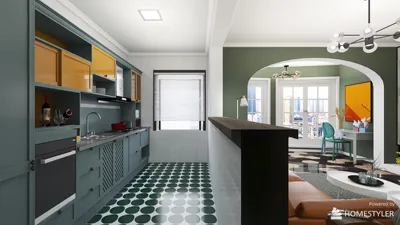


In my experience, a client once requested a special shelf for their cat to nap on, integrated into a foldable bed — a true story that had me chuckling at first. However, when I began sketching the idea, it transformed into a clever space-saving solution that worked remarkably well. To gain approval, I created a quick 3D visualization using Homestyler, and the client was on board by the end of the day.
1. Murphy beds with integrated storage solutions
Murphy beds are a favorite of mine due to their practicality: they neatly store a full mattress while providing additional shelving or cabinet space. This leads to maximum floor space during daylight hours while also offering ample storage. Keep in mind, however, they require a higher initial investment for craftsmanship and secure wall installation. A quick tip: accurately measure the spacing of the studs and consider using gas pistons for a smooth, durable lift.
save pin
2. Sofa-bed hybrids that maintain comfort without compromise
Today's sofa-beds have made significant advancements — I have utilized models that function as true sofas yet provide comfort akin to genuine beds. They are ideal for compact live/work micro-apartments where seating is essential. Be prepared for some trade-offs: the thickness of the mattress and various mechanisms can affect comfort levels, so testing them in person is highly recommended, along with budgeting for a premium mattress over standard options.
save pin
3. Elevated loft beds with workspace underneath
If your room has sufficient ceiling height, a loft bed can convert vertical space into functional real estate, allowing for a desk, wardrobe, or lounge area below. I have actually utilized a space-saving layout gallery for one college studio project, and the client appreciated having a clear work zone beneath their bed. Challenges may include ensuring ladder safety and proper headroom, but the advantage is a distinctly organized tiny home.
save pin
4. Wardrobe integrated with folding bed solutions
Custom cabinetry that conceals a folding bed within a wardrobe provides a seamless and upscale appearance in compact bedrooms. This design is particularly popular among clients aiming for a hotel-like vibe; however, it can be pricier and may offer less flexibility for future room reconfigurations. I typically suggest modular fronts that allow for finish adaptations later on without necessitating a full teardown of the unit.
save pin
5. Drop-down tables and pivoting beds for versatile spaces
For spaces with limited footprints, envision beds that can pivot or fold into multifunctional furniture — such as a bed that transforms into a dining table or tucks away into a shelving cabinet. I experimented with AI tools, including Homestyler, to quickly iterate several designs and select one that maintained clear circulation. While these systems can be quite innovative, they do require precise installation and regular upkeep to ensure smooth operation.
save pin
Frequently Asked Questions
Q1: Are folding beds reliable and safe?
I always prioritize using certified hardware with secure mountings. Adhering to the manufacturer's load ratings and anchoring to studs is essential; for more complex setups, hiring a professional is advisable to guarantee compliance.
Q2: Which mattress types are ideal for folding beds?
Memory foam and latex mattresses compress well and function effectively in folding configurations; however, pocket-sprung mattresses are generally too thick. Always verify the manufacturer's maximum thickness recommendations before making a purchase.
Q3: What should I expect to pay for a custom Murphy bed?
Prices can vary significantly — expect basic models to be relatively affordable, while custom-built options with storage can be much more expensive. I always recommend setting a realistic budget while prioritizing durability especially for moving components.
Q4: Can folding beds meet local construction regulations?
Yes, but you must comply with local regulations regarding anchoring and egress; in the U.S., consult the International Code Council (ICC) for authoritative information on local codes at https://www.iccsafe.org. Please verify the specifics for your area before proceeding with installation.
Q5: How can I enhance comfort in a compact space featuring a folding bed?
Layering bedding, utilizing a quality mattress topper, and incorporating built-in lighting can help make the bed feel well-integrated into the room. Additionally, decluttering circulation areas and selecting textiles that visually enlarge the space can be beneficial.
Q6: Are DIY folding bed kits worthwhile?
They can indeed be a cost-effective choice for skilled individuals, but mechanical parts and secure wall anchoring are critical for safety. If there are any doubts, consulting a carpenter is wise to avoid potential hazards.
Q7: How much clearance is necessary for a loft or pivoting bed?
Ensure you measure for both sleeping and ease of movement — loft beds typically require at least 7 feet of ceiling height for comfortable usage, although specific needs may vary based on mattress thickness and intended use underneath the bed.
Q8: Where can I find real-life examples and designs for folding beds?
I maintain a collection of recent projects and case studies to share with clients; reviewing scaled designs can significantly accelerate decision-making. For inspiration, professional case galleries offer various solutions worth exploring before committing to a specific design.
Homestyler is your go-to online home design platform, offering an easy-to-use design tool paired with stunning 3D renderings. Explore numerous design projects and enhance your skills with DIY video tutorials. Transform your space effortlessly and unleash your creativity today!
Progetta ora GRATIS
































