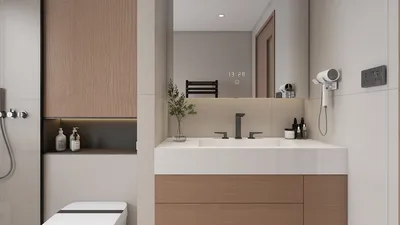


Having collaborated with numerous compact homes, I can attest that a dining table must serve multiple purposes. It should fold, glide, and tuck away, providing functionality without sacrificing comfort. The aim is to have a table that seamlessly integrates into your space while accommodating everyday living. In smaller areas, proportions, circulation routes, and natural lighting play crucial roles in the design process.
Space efficiency transcends mere aesthetics; it's also about user behavior. Research from Steelcase indicates that adaptable, multi-functional furniture enhances feelings of control and satisfaction in confined spaces, ultimately increasing comfort and adherence to routines. Furthermore, the WELL v2 standards emphasize the importance of appropriate seating heights and sufficient knee space for maintaining postural health, with dining chair heights typically ranging from 17 to 19 inches and table heights around 28 to 30 inches—these dimensions facilitate neutral posture and alleviate strain over prolonged periods. For comprehensive ergonomic insights, consult the WELL v2 guidelines categorized under WELL v2 Comfort.
Lighting significantly influences the dining experience. The Illuminating Engineering Society recommends a lighting level of 100 to 200 lux for casual dining, complemented by warmer color temperatures (2700 to 3000K) which foster relaxation and social connection through softer contrasts. When a dining table also serves as a workspace, localized task lighting offering 300 to 500 lux helps mitigate visual fatigue without overwhelming the room with glare. It’s advisable to use dimmable fixtures to enable the same table to transition between functions effortlessly.
Effective Strategies for Space-Saving Dining Tables
I recommend utilizing proven designs that combine ergonomics, circulation, and aesthetically pleasing lines. Each suggestion below includes practical measurements, clearances, and examples, enabling you to choose options that genuinely suit your home and lifestyle. Incorporating a tool like Homestyler can help visualize the best fit.
These classic designs easily fold to a slender profile but expand quickly for guest use. Aim for a folded depth of under 12 inches to allow it to be placed against a wall. When in use, ensure a minimum of 24 inches for each diner’s personal elbow space and maintain approximately 36 inches of clearance around the table for ease of movement in tighter spaces.
Ideal for tiny studios, you can mount the table surface at a height of 29 inches and utilize concealed hinges along with a slender support leg or gas strut. Pair this setup with lightweight stacking stools that tuck beneath a height of 18 inches to minimize visual clutter. Opt for soft edge radii to avoid bumps along primary circulation paths.
Round tables help diffuse traffic bottlenecks. A diameter of 30 to 36 inches comfortably accommodates two, while 38 to 42 inches can seat four if compact chairs are used. Pedestal bases allow for more knee space, thereby enhancing ergonomics during extended meals. Selecting matte finishes can help manage glare in areas with abundant daylight.
When using a corner as the dining area, a 30-inch square table can provide balanced spacing for two, leaving room for wall sconces overhead. Rotating the square table into a diamond orientation often enhances circulation in narrow areas. Ensure chair widths are between 16 and 18 inches, favoring streamlined or armless designs.
Expandable console tables with leaves or telescoping rails can adapt from a compact 16 to 20 inches in depth to a generous 60 to 72 inches when entertaining. Measure your walking path to ensure 32 to 36 inches of space to comfortably maneuver chairs in and out. For everyday use, store leaves vertically in humid environments to prevent warping.
Whether built-in or freestanding, banquettes free up space on one side and work wonders in small rooms. Set the table width around 28 to 32 inches and depth between 24 and 28 inches for two diners. Use performance fabric and high-resilience foam for upholstery to ensure long-term comfort. A waterfall design at the front of the banquette alleviates knee pressure.
Nesting stools and stackable chairs can maintain a tranquil visual atmosphere while keeping floors tidy. Combine a compact round or rectangular table with two primary chairs and two additional lightweight chairs stored nearby, each under 7 pounds for effortless handling. Opt for breathable materials to enhance thermal comfort in tight living spaces.
Strategically using light-reflective surfaces can create an illusion of spaciousness; low-iron glass or light matte laminates help reduce visual weight. Pair these with warm lighting (2700–3000K) to avoid harsh, impersonal atmospheres. Maintain a balanced reflectivity to prevent glare spikes—matte or satin finishes usually deliver the best results.
Key Ergonomic Dimensions to Consider
- Dining table height: 28–30 inches keeps forearms in a neutral position during meals.
- Optimal knee clearance: aim for 25 inches under the table and 12–14 inches in depth.
- Chair seat height: 17–19 inches accommodates most users; verify using your own popliteal measurement (from the floor to the space under the knee).
- Circulation space: 36 inches is ideal around a dining table; 30 inches may suffice in constrained conditions with armless chairs.
- Elbow room: allocate a minimum of 24 inches per diner; 30 inches is preferable in compact settings.
Selecting Materials for Small Living Areas
Compact homes thrive with durable, low-maintenance surfaces. High-pressure laminate is resistant to scratches and stains, while solid wood edges endure daily wear and tear and can be refinished. Slim yet sturdy powder-coated steel bases enhance stability. For lively acoustics, introduce soft materials like fabric seats, cork flooring, or felt panels to mitigate noise. Aim to align sustainability with durability—quick-to-wear surfaces can lead to increased waste.
Light, Color, and Atmosphere Around the Table
Employ glare-controlled pendant lights with diffusers to create an intimate light pool without sharp hotspots. Keep pendant bottoms between 28 and 34 inches above the tabletop for comfortable sightlines. For a cozy atmosphere, warmer color temperatures (2700–3000K) can foster relaxation. According to color psychology research from Verywell Mind, vibrant reds can be stimulating but may overwhelm small spaces; softer neutrals, sage greens, or muted blues are more calming and can create the illusion of expanded space. If the table serves as a workspace, add localized task lighting with a focused 300 to 500 lux beam, allowing independent operation for work and dining.
Effective Layout Strategies for Tiny Dining Areas
In small homes, think of your table layout as choreography. Position small round tables slightly off-center to enhance circulation; align rectangular tables with lengthy walls to ensure straightforward movement. If you're seeking to visualize your layout options prior to purchasing, tools like Homestyler can help simulate clearances, sightlines, and the arcs of chair movements to circumvent surprises.
Space-Conscious Styling Tips
I prefer keeping tabletop elements low and narrow—oval trays, small vases, and soft linens provide texture without obstructing sightlines. Wall-mounted storage for placemats and napkins can declutter the dining area quickly, while a singular sculptural pendant serves as a focal point, reducing decorative clutter.
Frequent Errors Encountered—and How to Fix Them
- Oversized chairs with deep seating that clash with wall space.
- Shiny surfaces under bright LED lights that induce glare and visual strain.
- Neglecting circulation spaces; maintaining 36 inches around the table is crucial.
- Utilizing fixed rectangular tables in areas that necessitate flexible seating arrangements.
- Heavy, dark bases in poorly lit rooms—consider swapping for lighter hues and sleeker designs.
Frequently Asked Questions
Round tables with pedestal bases are generally favored. They soften corners and facilitate better circulation, comfortably seating two at a diameter of 30 to 36 inches.
Strive for a clearance of 36 inches around the dining table to facilitate easy movement. In tighter spaces, 30 inches can work well with compact armless seating.
Absolutely. Aim for a table height close to 29 inches and pair it with adjustable or well-fitting chairs. Incorporate focused task lighting at approximately 300 to 500 lux for concentrated activities while maintaining warm ambient lighting for dining.
Quality gateleg or drop-leaf designs are dependable if the hinges and supports are robust. Seek hardwood frames, reliable locking mechanisms, and stable bases.
Opt for a slim rectangular table with rounded edges. On the open side, select armless chairs measuring 16 to 18 inches wide to minimize bulk and simplify movement.
Integrate soft finishes: upholstered seating, flat-weave rugs, felt pads under chairs, and fabric curtains reduce noise reverberation and enhance conversation ease.
Light-toned matte surfaces, low-iron glass, and satin metals can significantly diminish visual bulk. Pair these with warm lighting (2700–3000K) to avoid creating a cold, reflective ambiance.
Aim for chair heights between 17 and 19 inches and table heights of 28 to 30 inches for optimal posture, aligning with the ergonomic guidelines found in WELL v2.
Two diners can be comfortably accommodated. While it’s feasible to fit four with very compact chairs, space can feel tight; aiming for a minimum of 24 inches per person is advisable.
Yes, it’s practical if using tempered, low-iron glass with rounded edges. This creates a lighter visual feel in the space, but ensure regular maintenance with microfiber cloths to keep smudges at bay.
Built on technology originally developed at Autodesk, Homestyler empowers anyone to design beautiful, realistic spaces in minutes. Join over 18 million users who have already discovered a smarter way to plan, visualize, and bring their dream homes to life — all from the comfort of a browser.


Rustic Solid Wood Geometric Octagonal Coffee Table 3D Model
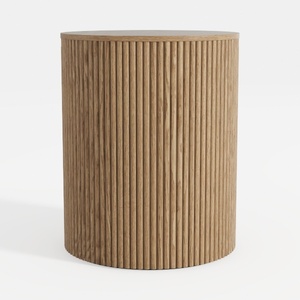
Minimalist Fluted Oak Round Side Table 3D Model

Modern Fabric Upholstered Armchair With Metal Legs 3D Model
Homestyler is your go-to platform for transforming your home design dreams into reality. This user-friendly tool offers stunning 3D rendering and a vast collection of design projects, along with helpful DIY video tutorials. It's perfect for anyone looking to create beautiful spaces effortlessly!
Design Now for FREE
































