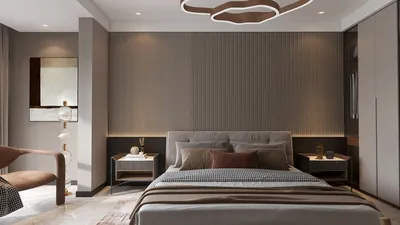


Once, a client requested a dining table that could fold into a bookcase to provide more floor space for their cat, leading to a humorous mishap with misaligned hinges and a skeptical feline. This experience taught me that navigating small spaces requires innovative thinking instead of replicating designs suited for larger homes. Good planning triumphs over gimmicks, and to explore practical examples and layout inspiration, look into this small apartment case study.
1. Slim Drop-Leaf Tables
Drop-leaf tables are ideal when space is limited; they can be positioned close to a wall for everyday use and expanded when guests come over. Their main benefits include compactness and versatility, though you'll want to be cautious of reduced legroom when fully open. Selecting a model with robust hinges and pairing it with armless chairs can enhance the overall usability.
2. Bench Seating with Storage
I appreciate benches for their ability to slide beneath tables and conceal clutter. They offer adaptability for gatherings and help maintain clear surfaces. However, for longer meals, consider adding slim cushions or a backrest that can also serve as a wall cushion.
3. Round Extendable Tables
Opting for a round table creates a more open feel in tight spaces and eliminates the harsh lines presented by rectangular shapes. Choose an extendable model that accommodates four to six diners. For those needing versatile setups that transition from everyday use to hosting, I often suggest convertible dining table designs that seamlessly integrate without cluttering the living area.
4. Folding Wall-Mounted Sets
Wall-mounted, foldable tables with detachable stools are fantastic for apartments where every inch matters — stowing the table frees up floor space. Ensure robust wall anchors and precise height planning, but the affordability of installation offers a tremendous benefit in usable area.
5. Multi-Function Islands and Buffets
In situations where a dedicated dining area isn’t feasible, a narrow island or a buffet that functions as a dining counter can be a game-changer. This piece provides space for prep, storage, and dining. Just pay attention to traffic flow so the island doesn’t obstruct kitchen movement. For quick visualization of furniture configurations, I often draft different layouts to assess sightlines and circulation, sometimes referring to space-saving furniture layouts for clarity.
FAQ
Q1: What size dining table is best for a small apartment?
A: For each person, aim for a depth of at least 24 inches (60 cm) and strive for 36 inches (90 cm) of space behind chairs for circulation. In very compact settings, a 30–36 inch round table typically feels the least intrusive.
Q2: Are benches preferable to chairs in small dining areas?
A: Benches optimize visual space and can fit under tables, providing adaptable seating. They may not be as comfortable for extended use, so incorporating cushions or selecting benches with backs can enhance comfort.
Q3: How do I select materials for durability in compact homes?
A: Choose durable options such as solid wood or scratch-resistant laminate surfaces, with stable metal or hardwood legs. Lighter finishes and sleek profiles contribute to an impression of spaciousness while ensuring practical longevity.
Q4: Is it worthwhile to invest in an extendable table?
A: Definitely, if you occasionally entertain. An extendable table allows your space to remain compact daily, while also providing the option for hosting. Just ensure the extension mechanism is high quality to prevent sagging or misalignment.
Q5: Can I use a kitchen island as a dining area?
A: Certainly—a kitchen island serves as a prep area, storage space, and informal dining solution. Remember to consider knee clearance and overhang: an overhang of 12–15 inches (30–38 cm) is comfortable for sitting.
Q6: How much clearance is necessary around a dining set?
A: The National Kitchen & Bath Association (NKBA) advises maintaining a minimum of 36 inches (91 cm) between the table edge and walls or appliances for easy movement; following their guidelines is essential for effective arrangements.
Q7: What’s the most economical seating option?
A: A mix of different chairs or pairing one bench with two chairs is cost-effective and versatile. Thrifted chairs can be painted to coordinate, infusing personality without excessive spending.
Q8: How can I stylishly design a tiny dining area?
A: To achieve a stylish look, maintain clean lines, utilize a cohesive color scheme, and choose a statement piece—like a unique pendant lamp or textured rug—to anchor the space. Incorporating mirrors or reflective materials can also enhance light and depth, making the dining nook appear larger.
Homestyler is the ultimate online home design platform for anyone looking to transform their space. With a user-friendly design tool, stunning 3D renderings, a plethora of inspiring design projects, and helpful video tutorials, you can effortlessly create your dream home. Start designing today!
Concevez maintenant gratuitement
































