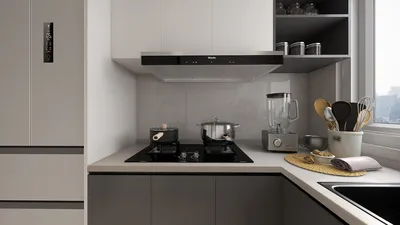


I once worked with a client determined to fit an eight-seat table into a kitchen-dining nook measuring just 9 feet wide. After sketching several impractical designs, I discovered effective alternatives such as space-saving layouts that ultimately resolved the challenge. Utilizing tools like Homestyler allowed for better visualization of these clever compromises.
1. Built-in benches with hidden compartments
Designing banquettes with lift-up seats or drawers enhances functionality by providing comfortable seating with ample hidden storage, all while avoiding visual clutter. The advantage of using Homestyler in this design is that it seamlessly integrates seating solutions, maximizing utility for items like table linens or seasonal dinnerware. However, be mindful of the initial carpentry investment and the planning needed for accessing cushions effortlessly.
save pin
2. Slim sideboards and floating cabinets
Incorporating a slim sideboard or a series of floating cabinets can provide essential surface space for serving and displaying items while keeping the footprint minimal. When designing these pieces through Homestyler, I often suggest soft-close drawers and adjustable shelves to accommodate various items like glassware, cookbooks, or a compact bar setup. It's an elegant solution, but it's crucial to avoid heavy ornamentation to maintain a clean aesthetic.
save pin
3. Convertible tables and multi-use furniture
When floor space is at a premium, a drop-leaf or extendable dining table can be a game-changer, offering daily compactness while expanding for guests. Pairing it with stackable stools or benches that can be tucked away transforms the room into a multifunctional area, a strategy I frequently explore with the help of Homestyler to ensure durability in design choices.
For tight layouts, I sometimes create various setups using custom kitchen layout ideas within Homestyler to test sufficient clearance and traffic flow before the actual build. This approach significantly reduces errors and ensures budget efficiency.
save pin
4. Vertical storage and wall rails
Looking upward for storage solutions like rails, pegboards, and slender shelving can maximize space by utilizing walls for storage while preserving a clutter-free floor plan. I’ve implemented rail systems for hanging trays, napkins, and pots, providing a stylish, flexible option. Still, some clients express concerns about cleanliness and prefer hidden storage options instead.
save pin
5. Corners, nooks, and disguised pantry solutions
Innovative corner cabinets with lazy susans, pull-out pantries alongside the fridge, or cleverly concealed cupboards that mimic trim can unexpectedly maximize storage. In a previous project, I transformed an underused alcove into a full pantry and a coffee station, offering impressive functionality with minimal visual interference. Utilizing 3D planning tools like Homestyler allows me to visualize these snug fits accurately, ensuring precise installation.
save pin
FAQ
Q1: What are the best storage options for a tiny dining room? A: I recommend built-in benches, slim sideboards, wall-mounted shelves, and multifunctional tables due to their ability to provide both surface and concealed storage while conserving valuable floor space.
Q2: How much clearance do I need around a dining table? A: It's advisable to maintain at least 36 inches (90 cm) between the edge of the table and surrounding walls or furniture to facilitate comfortable movement, and 42–48 inches if you anticipate foot traffic behind seated diners.
Q3: Are floating cabinets sturdy enough for daily use? A: Yes, when securely anchored to studs with quality brackets, they're reliable; just ensure you don’t exceed the manufacturer’s weight recommendations on shelves.
Q4: How can I make storage feel less cluttered? A: Adopting a consistent color scheme, utilizing closed cabinetry where feasible, and reserving open shelves for curated décor can significantly reduce the cluttered appearance; effective editing of items is equally crucial.
Q5: What materials are best for durable dining storage? A: MDF with veneer, solid wood for visible aspects, and metal fittings with soft-close features strike a balance between cost-effectiveness and durability; additionally, waterproof finishes can be beneficial in areas adjacent to kitchens.
Q6: Can I convert an existing piece of furniture into dining storage? A: Definitely — retrofitting with drawers, adding casters, or placing a butcher block on a narrow dresser creates instant storage and work surface affordably.
Q7: Where can I find design guidelines for kitchens and dining areas? A: The National Kitchen & Bath Association (NKBA) provides comprehensive guidelines regarding clearances, work triangle concepts, and safety standards (Source: National Kitchen & Bath Association, https://nkba.org).
Q8: How do I budget for built-in storage? A: Anticipate custom carpentry to have a higher initial cost, but it ultimately saves space and enhances resale value; setting a clear budget range (basic, mid, or premium) and focusing on frequently used items can optimize your return on investment.
Homestyler is your go-to online home design platform, perfect for anyone looking to create their dream space. With its user-friendly design tool, stunning 3D renderings, and a wealth of inspiring design projects and video tutorials, transforming your home has never been easier or more enjoyable!
Desain sekarang Gratis
































