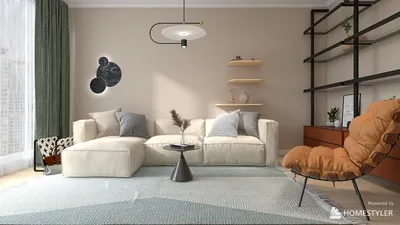


Small homes and studio apartments can fully embrace the holiday spirit without sacrificing space. A corner wall Christmas tree serves as a clever, space-saving solution to add festive cheer while maintaining clear circulation paths and functional workspaces. In my designs, I strategically position these trees at natural pauses—such as near window alcoves, beside media units, or above consoles—ensuring to leave about 30–36 inches of clearance to facilitate movement and preserve sightlines, which can be effectively visualized using Homestyler.
Lighting and ergonomics are equally important, even during the festive season. The WELL v2 standard suggests avoiding glare and ensuring visual comfort through balanced illumination; aim for ambient lighting between 150–300 lux in living spaces, utilizing warmer 2700–3000K sources to create a cozy holiday atmosphere. For task areas adjacent to your decorations—like a sideboard for serving hot cocoa—aim for approximately 300–500 lux to ensure comfort. Color psychology plays a role too, where red accents invigorate, green promotes well-being, and gold conveys warmth. According to Verywell Mind, warm colors can boost excitement, while green can provide a calming effect.
Concept Highlight: Vertical Trees That Optimize Floor Space
Wall-mounted or corner-fitting designs help maximize essential square footage. I often utilize a lightweight plywood silhouette (3/8"–1/2" thick) or a simple cedar slat ladder secured to wall studs; Both options can support ornaments without sagging. To plan traffic flow and furniture placements before making permanent changes, a room layout tool can help you explore configurations and clearances quickly using platforms like Homestyler.
Creative Design Idea 1: Minimalist String Light Outline
Form a sleek triangular tree silhouette using clear adhesive hooks in the corner, tracing the outline across both walls. Employ dimmable warm-white LED micro-string lights (2700K) spaced 3–4 inches apart for a defined shape. To minimize discomfort from brightness, diffuse the lights with sheer ribbons or ensure they are placed at eye level, away from direct sightlines. This arrangement beautifully complements a credenza, looking like art during the day and festive at night.
Creative Design Idea 2: Branch Ladder Featuring Natural Textures
Construct a ladder using driftwood or birch dowels. Secure the top rung with wall anchors and tie the other rungs using jute. Adorn it with ornaments and dried citrus slices to introduce color and fragrance. Harmonize the color palette with greens and soft whites, while warm metallics (brass, copper) add a touch of shine without overwhelming the senses. Ensure the bottom rung is positioned 10–12 inches above the floor to simplify cleaning and prevent toe stubs.
Creative Design Idea 3: Floating Shelf Tree
Install three to five staggered mini shelves in a triangular configuration. The lowest shelf acts as the 'base'—concealing wrapped books or small planters—while the upper shelves display lightweight ornaments. Keep 12–14 inches of space between shelves to avoid a cluttered look and maintain accessibility; according to ergonomic guidelines, commonly used items should be positioned between 24–48 inches from the floor. Utilize matte finishes to reduce glare.
Creative Design Idea 4: Felt Panel Tree for Renters
Craft a felt tree silhouette and attach it with removable strips. The felt material helps absorb sound in small rooms prone to echoes and is kid-friendly; ornaments can be secured with hook-and-loop dots. Select deep green felt and layer lighter green leaves to create depth, and maintain a balanced color distribution of 60–30–10 (base–secondary–accent) for visual harmony.
Creative Design Idea 5: Photo Collage Tree
Arrange a triangular layout with 4x6 photos: capturing family moments, winter scenes, and travel memories. Use black or brass frames to establish visual rhythm. Top it off with a star-shaped frame for a decorative touch and a narrow bench below to display holiday cards. This idea utilizes vertical spaces for storytelling while conserving a slim profile.
Creative Design Idea 6: Wire Grid with Greenery
Install a powder-coated wire grid in the corner and weave eucalyptus garlands through it. Use mini binder clips to attach ornaments. Ensure the grid is mounted 1–2 inches away from the wall to create soft shadows that enhance depth. Battery packs can be discreetly fitted within a small wall-mounted box to maintain tidy wiring.
Creative Design Idea 7: Washi Tape Geometry
For an ultra-minimalist approach in rentals, use green washi tape to create the outline of a tree and hang baubles using micro hooks. The tape is easy to remove and allows you to play around with proportions—narrow bases can give an impression of height, while broader bases can create a grounded feel.
Illuminating Layering: Warm, Dim, and Non-Glary
Controlling glare is critical in small rooms with shiny surfaces. Position light strings along the edges of walls instead of facing primary seating areas. Include one small table lamp with a fabric shade around 2700K brightness to soften contrasts. If ceiling lights are cooler in tone, add a dimmable warm accent lamp to equalize color temperatures. Ensure overall luminance is consistent to avoid hot spots—combine fairy lights with non-reflective ornaments such as matte ceramic pieces.
Color Psychology: Cozy Without Chaos
In confined areas, overly saturated colors can easily overwhelm the senses. Opt for a restrained color palette: green and ivory as the foundation, complemented by a single accent hue (red or copper). Green conveys equilibrium and renewal, while warm reds inject festive energy without dominating the space. If your walls are an icy gray, incorporate warmer white textiles to create a more inviting atmosphere.
Safety and Ergonomics: Reach, Fixings, and Fire Awareness
Ensure that any mounted components are secured to studs or suitable anchors (such as toggle bolts for hollow walls). Keep cords off walkways and avoid placing heat sources near greenery. Frequently adjusted ornaments should be positioned between 24–48 inches high to minimize overreaching. In homes with children or pets, prefer felt, wood, and paper ornaments over glass, and opt for battery-operated LEDs instead of plug-in lights across high-traffic areas.
Acoustic Comfort and Material Selections
Soft ornaments, felt panels, and garlands can subtly enhance acoustics in rooms with hard surfaces. Pair coarse textures (like jute and wool) with smoother elements (such as matte ceramic) to create a balanced tactile experience. Natural materials will reduce visual noise while promoting seasonal warmth.
Strategic Layout: Functional Corners
Select corners that serve less critical functions—beside a TV stand, adjacent to a window, or behind a reading chair. Maintain a clearance of 30–36 inches on circulation sides. For narrow living rooms, arrange the tree vertically along one wall to maintain distance between the sofa and coffee table. For effective planning, use an interior layout planner like Homestyler to quickly test configurations.
Tips for Small Space Styling
- Choose ornament sets that share a consistent finish for cohesion.
- Group small decorations in odd numbers (3–5) for rhythm.
- Arrange greenery vertically rather than outward to avoid protrusion.
- Utilize a narrow console under the tree for additional storage and display.
- Keep scents subtle—using dried citrus and cinnamon sticks for gentle diffusion.
Budget-Friendly Materials
Washi tape, felt sheets, plywood scraps, and birch dowels are cost-effective and versatile. LED micro lights consume minimal energy and endure for multiple seasons. Repurpose existing picture frames, fabric remnants, and ribbons from previous decorations to minimize waste.
Frequently Asked Questions
Q1: What height is optimal for mounting a corner wall tree?
A1: Aim for a top height that is 6–12 inches below your ceiling to avoid visual clutter and to ensure mounting hardware is clear from crown moldings. Place often adjusted ornaments within a height range of 24–48 inches from the floor for ergonomic access.
Q2: What color temperature works best for holiday lights in small spaces?
A2: Warm-white LEDs ranging from 2700–3000K create an inviting environment and diminish harsh contrasts. Pair with ambient lighting around 150–300 lux to prevent glare and eye fatigue.
Q3: How can I avoid glare from string lights?
A3: Indirect placement is crucial—position lights along wall edges or behind greenery, use matte ornaments, and consider fabric lampshades for nearby light sources. Dimmers or layered lighting can help maintain balanced brightness levels.
Q4: What’s a safe mounting option for renters?
A4: Use removable adhesive hooks or fasteners for lightweight elements. For heavier decorations, identify stud locations and select low-profile anchors; always test the load capacity before hanging any ornaments.
Q5: Is it possible to include real plants or garlands?
A5: Absolutely—using eucalyptus or fir garlands adds fragrance and texture. Just be sure to keep them away from heaters and open flames, misting lightly to minimize shedding. Choose battery-powered LED strings to prevent cord clutter in pathways.
Q6: How can I ensure smooth circulation in a cramped living room?
A6: Maintain a 30–36 inch pathway in heavily trafficked areas. Position the tree vertically against one wall to preserve spacing between the sofa and coffee table while minimizing any projecting elements at knee height.
Q7: What is the simplest, budget-friendly option?
A7: A washi tape tree combined with a few micro hooks and a strand of warm LEDs provides a quick, removable solution without significant cost. Incorporate paper ornaments for an added crafted appearance.
Q8: How can I make the design suitable for children?
A8: Select felt, wood, and paper decorations, place delicate ornaments higher up, and secure cords with protective covers. Considering a felt panel tree allows for interactive play with hook-and-loop ornaments.
Q9: How can I achieve a harmonious visual balance?
A9: Follow a 60–30–10 color distribution: 60% base color (green/ivory), 30% secondary color (wood/metal), and 10% accent (red or copper). Arrange ornaments uniformly and keep shelf heights at 12–14 inches apart for clarity.
Q10: Are there acoustic advantages to wall-mounted trees?
A10: Indeed—using felt panels, soft garlands, and fabric ribbons can absorb mid-to-high frequency reflections, making them effective in echo-prone rooms with hard surfaces.
Discover your creative potential with Homestyler! This user-friendly online home design platform offers an intuitive design tool, stunning 3D renderings, and a wealth of inspiring design projects and video tutorials. Transform your space effortlessly, whether you're a beginner or an experienced designer!
지금 무료로 디자인하세요
































