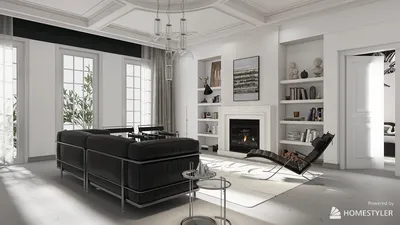


I once faced the challenge of fitting a massive mid-century coffee table into a compact 28 sqm apartment because the client was captivated by its photo. It was a tough lesson when, just a week later, it obstructed the entire space and caused people to trip. This experience taught me to treat smaller areas like puzzles, where even a slight adjustment in scale or function can significantly enhance the room’s appeal. I often begin with the help of a space-saving layout guide to explore options before making any purchases.
1. Sleek minimalist table with concealed storage
I prefer slim, low-profile tables that are slightly below the height of the sofa. They maintain clear sightlines while incorporating either a shallow drawer or a lift-top for storing remote controls and magazines. This design not only promotes a serene modern aesthetic but also provides additional storage without adding bulk. However, since they have limited depth, it’s best to prioritize flat items and smaller trays.
2. Stackable or nested round tables
Stackable tables are my top choice for clients seeking versatility: you can bring one close for coffee or tuck it away during gatherings, and even arrange them for added visual appeal. They are budget-friendly and work wonderfully in curved layout designs. To avoid overwhelming the space, select one or two harmonizing materials that form a cohesive look.
save pin
3. Versatile ottoman-table combination
Employing a sturdy ottoman that doubles as a table with a detachable tray is a clever solution for apartments that frequently switch between seating and surfaces. It provides comfort and storage with less rigidity than a traditional table. To visualize its impact in a small layout, consider using a quick 3D design tool to assess flow and scale—just ensure you choose a stain-resistant fabric for durability.
save pin
4. Transparent glass or acrylic center table for a light look
Using clear materials allows the table to almost disappear, with tempered glass or acrylic tops keeping the room feeling spacious and visible rug patterns. This option is ideal for modern minimalist designs; however, it will show fingerprints and scratches more readily, so using tempered glass and a good protective pad is advisable. A lighter frame will also help with maintenance.
save pin
5. Artistic single-piece accent table
When working with a simple sofa and understated accessories, a small sculptural table can serve as a statement piece, adding character without overcrowding the floor area. However, be aware that such standout pieces can be pricier and require careful texture coordination. If uncertain, use AI interior design platforms like Homestyler to create mockups that allow you to explore color, scale, and balance before finalizing your decision.
save pin
Practical purchasing and styling advice
Always measure twice and aim to keep at least 45–50 cm (about 18–20 inches) between the sofa and the table for smooth movement; in tighter spaces, aim for a minimum of 40 cm and opt for rounded edges. Style with a small tray, a couple of books stacked together, and a sculptural object to keep surfaces purposeful without cluttering them.
save pin
FAQ
Q1: What is the best coffee table size for a petite living area?
A: Aim for a table that is approximately two-thirds the length of your sofa and about 2 inches lower than the seat height for comfortable access, ensuring balance and circulation.
Q2: Which shapes are most effective in constrained spaces?
A: Round and oval tables minimize sharp corner incidents and enhance flow in tight areas, while rectangular tables suit long sofas well. Choose based on space clearance and movement paths.
Q3: What materials are best suited for busy small homes?
A: Robust materials like tempered glass, solid wood with protective finishes, metal frames, or high-density upholstery are wise choices. It's best to steer clear of fragile veneers in homes with children or pets.
Q4: Can a central table also provide additional seating?
A: Definitely—durable ottomans or wide wooden benches can function as both seating and a surface. Just ensure the height aligns with that of the sofa, and that they can support weight. Multifunctional pieces optimize utility in smaller layouts.
Q5: How can I select finishes that maintain an airy feel in a small room?
A: Stick to one or two finishes and prefer light colors or transparent materials to lessen visual clutter. Reflective metals and glass can enhance light, while contrasting small accents can add interest without overpowering a space.
Q6: Are adjustable-height tables a worthy investment?
A: Lift-top and adjustable tables offer great flexibility for dining or work-from-home setups and often justify their higher price in multipurpose environments. Ensure that the quality of the mechanism is solid to avoid instability over time.
Q7: How much space should I allow between the sofa and the table?
A: Typically, a clearance of 45–50 cm (18–20 inches) is recommended for comfort; sources such as Better Homes & Gardens suggest keeping coffee tables lower than sofa seats for ergonomic access. This ensures a harmonious balance between reach and movement.
Q8: Where can I experiment with designs before purchasing?
A: Utilize straightforward floor-plan or visualization tools to position scaled furniture and assess flow. Many digital platforms enable you to mock up materials and dimensions, preventing expensive returns. Testing designs online can save time and facilitate a relaxed decision-making process.
save pin
Homestyler is your go-to online home design platform, perfect for both novices and seasoned designers. With its user-friendly design tool, stunning 3D renderings, and a wealth of DIY video tutorials, you can effortlessly create and visualize your dream spaces. Start designing today!
Design jetzt kostenlos
































