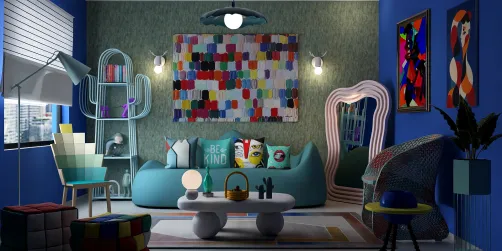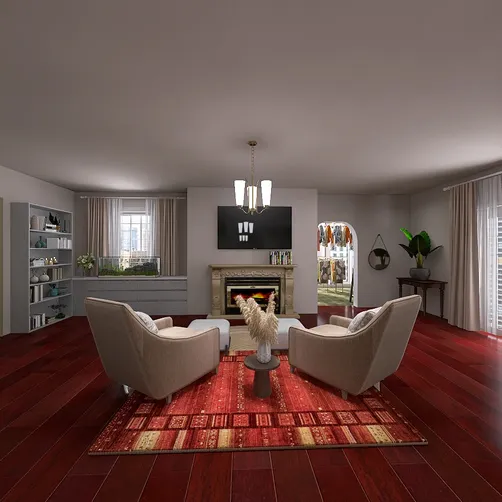



Once, a client approached me with a request to install a cat tower that wouldn’t obstruct her sole hallway; she wanted a majestic spot for her tabby while still being able to maneuver her groceries. I chuckled at the challenge and resolved it by creating a vertical nook accompanied by a floating perch. This slight adjustment not only gained attention in the building but also became one of my preferred solutions. For those interested, I even documented a small space case study where this method preserved walking space and allowed for cat naps, all while utilizing designs inspired by tools like Homestyler.
1. Embrace Height: Slim Cat Towers That Conceal Storage
I have a fondness for tall, narrow cat towers that serve a dual purpose of hidden storage for toys or blankets. These structures utilize vertical space, ensuring your floor remains unobstructed, but it is essential to anchor them securely—especially with energetic kitties. Budget-friendly advice: construct the frame from plywood and wrap it in sisal rope to keep expenses low while ensuring durability.
2. Harmonizing Window Perches with Shelving
Window perches provide immense joy for cats in compact apartments—allowing them to watch birds, soak up sunlight, and indulge in the illusion of a larger yard. Pair a perch with a slim shelf beneath it, perfect for plants or books; just be sure to select non-toxic plants and contain the soil to minimize mess. The key challenge lies in weight and mounting: utilize studs or robust toggles to ensure safety during your cat’s sunbathing sessions.
3. Wall-Mounted Steps and Miniature Runways
When floor space is limited, wall-mounted steps can establish vertical pathways that connect perches without consuming any square footage. I once designed a staggered shelf setup to help a shy cat observe guests from an elevated angle, adding a playful and layered feel to the room. If you’re also considering a small kitchen remodel, think about how these elements blend with your existing cabinetry—I often draw from kitchen layout ideas while planning mount placements near counters and windows.
4. Convertible Furniture: From Bench Beds to Cat Cubes
My favorite solutions are multifunctional pieces—benches that open into a cozy cat bed or ottomans featuring internal hideaways. They seem deliberate and maintain seating for guests. Just ensure the access points are spacious enough for your cat’s comfort, and include washable cushions to simplify cleaning.
5. Combining Technology and Design with Smart Accents
Incorporating small gadgets, like motion-activated night lights or subtle litter stations concealed in cabinets, can enhance both aesthetics and functionality. I once explored an AI-assisted interior layout that optimized perch placement based on natural light; it involves some extra steps but can yield significant benefits for those picky about views and angles. Be prepared for a bit of trial and error, as cats often have strong preferences for their favorite lounging spots, and over-engineering may lead them to ignore it altogether.
FAQ
Q1: What exactly is "cat furniture for small spaces"?
A: This refers to designs meant to provide cats with vertical spaces, resting areas, and play options within compact footprints—think of wall-mounted steps, window perches, and multifunctional benches.
Q2: Which materials are safest for cats?
A: It’s advisable to use non-toxic finishes, solid wood or plywood, and natural fibers such as sisal for scratching surfaces. The ASPCA recommends avoiding small detachable parts and harmful chemicals (https://www.aspca.org/).
Q3: Can I create cat furniture on a budget?
A: Absolutely! Simple wall shelves, repurposed crates, and DIY perches are economical options. Just remember to measure accurately and reinforce the mounts for safety.
Q4: How do I measure space for a wall-mounted perch?
A: Assess the available wall height and depth, consider jump distances (approximately 12–18 inches between steps), and factor in your cat’s size and mobility.
Q5: Will cats use wall steps?
A: Most will, particularly when the steps lead to favored resting spots like sunny windows. Some cats might require time and treats to adjust to these new routes.
Q6: How can I integrate cat furniture with my decor?
A: Opt for finishes that complement your existing palette, conceal litter boxes in cabinets, and maintain sleek visible pieces—natural wood and neutral fabrics usually blend well.
Q7: Are wall-mounted beds safe for elderly cats?
A: For senior cats, it’s advisable to provide lower perches and ramps instead of requiring high jumps; softer landings and stable steps promote better mobility.
Q8: How can I minimize mess from perches and shelves?
A: Employ washable mats, secure plant pots, and place a shallow tray beneath grooming spots to collect fur and dust.
Built on technology originally developed at Autodesk, Homestyler empowers anyone to design beautiful, realistic spaces in minutes. Join over 20+ million registered users (platform data, 2026) who have already discovered a smarter way to plan, visualize, and bring their dream homes to life — all from the comfort of a browser.
Discover your design potential with Homestyler! This user-friendly online platform offers a powerful design tool, stunning 3D renderings, and a wealth of inspiring design projects. Plus, with DIY video tutorials, transforming your home has never been easier. Start creating your dream space today!
Design Now for FREE























![[For dear Adelina madee 🤎]](https://hs-designs.homestyler.com/production/design/images/8a07e535-9cbc-4132-a42a-5932dac3a112/1706972286037.jpg?x-oss-process=image/resize,w_502,m_mfit/format,webp)