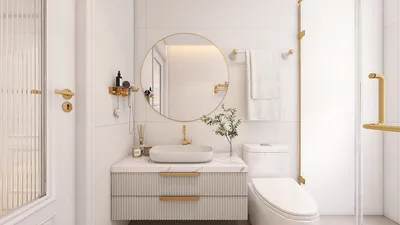


I had a client who wanted their cabinets to conceal every item, including the toaster, and even requested a secret drawer that could only be opened with a handshake. While I didn’t implement the handshake feature, this project illustrated how much creativity and functionality can be packed into a compact space. When it comes to visualizing space-efficient layouts, I often employ 3D visualization tools like Homestyler to quickly explore concepts before finalizing them.
1. Slim Vertical Cabinets
I am a big fan of tall, slim cabinets for narrow walls, as they can store baking sheets, cutting boards, and trays without encroaching on the room’s depth. The advantage lies in excellent organization and a sleek appearance, while the downside is the limited shelf depth, necessitating careful planning of item sizes. Pro tip: use adjustable dividers to make the shallow space functional for both pans and trays.
save pin
2. Innovative Corner Carousel
While Lazy Susans are a traditional choice, I prefer a two-tier carousel that smoothly pulls out and provides clear visibility to both front and back items. Though it may cost more than a standard shelf, the convenience it provides greatly reduces the need for frantic late-night searching. If your budget allows, opt for a soft-close mechanism — it's a small luxury that makes a significant difference.
save pin
3. Adjustable Upper Cabinets
For those difficult-to-reach areas, pull-down systems can transform high cabinets into easily accessible storage for daily dishes. Clients often express concerns about durability, but modern designs are robust and can be retrofitted with ease. For kitchen redesigns, I usually suggest combining this feature with open shelving below, striking a harmonious balance between accessibility and visual charm — perfect for innovative kitchen layouts.
save pin
4. Drawer Units with Organizers
Deep drawers are superior to traditional doors in small kitchens, as they allow you to view everything at a glance. Incorporating built-in bins for utensils and spices can effectively keep clutter at bay. While drawers may be pricier than basic shelves, and heavy-duty sliders add to the cost, the efficiency gained is immediate. I once replaced lower doors with drawers in a studio apartment, and the excited reaction from the renter upon using them was truly rewarding.
save pin
5. Versatile Cabinet Fronts
Make the faces of the cabinets serve dual purposes: fold-down surfaces for dining or workspaces, magnetic knife panels, or hidden trash pull-outs to keep functionalities discreet. This creative approach can complicate hinge selections, but the outcome is a cleaner, multi-functional area. If your renovation includes a compact bathroom or kitchen nook, consider integrating cabinets with compact bathroom solutions for a cohesive aesthetic.
save pin
FAQ
Q1: What cabinet styles are optimal for small kitchens?
I generally recommend flat-front or shaker-style cabinets because they offer a clean look and help avoid visual clutter in compact spaces. Glossy finishes can reflect light, contributing to an illusion of spaciousness, whereas matte textures do a better job at masking fingerprints.
Q2: Are custom cabinets worth the investment in a small area?
Custom cabinets can maximize every inch of space and may justify their higher cost if you have unusual nooks or specific storage needs. For those on a budget, semi-custom options provide a solid compromise.
Q3: How deep should cabinets be in a compact kitchen?
The standard depth for base cabinets is approximately 24 inches, but in very narrow areas, it’s feasible to reduce the depth to 20 inches, allowing for better walkway clearance while retaining functionality. Be sure to account for appliance and countertop overhangs when adjusting depths.
Q4: What lighting is best for shallow cabinets?
Low-profile LED strips or puck lights are my preferred options, as they enhance visibility without generating heat or taking up space. Motion-activated LEDs add a touch of convenience for frequently accessed cabinets.
Q5: Is it possible to retrofit existing cabinets for improved storage?
Absolutely! You can enhance usability by adding pull-out trays, adjustable shelving, drawer organizers, and upgraded hinges without the need for a complete replacement. Such enhancements can yield significant benefits for relatively modest investments.
Q6: How can I ensure proper ventilation around enclosed cabinets?
Using perforated back panels or leaving small gaps at the top for airflow is crucial, particularly near heat sources and plumbing. Adequate ventilation is essential to avoid moisture buildup and prolong the life of finishes.
Q7: Are there design guidelines to follow for cabinet clearances?
As per the National Kitchen & Bath Association (NKBA), a recommended walkway width in kitchens is 36 inches for single-cook layouts and 42 inches for multiple cooks. These guidelines aid in determining the optimal cabinet depth and placement (source: https://www.nkba.org).
Q8: What’s a quick budgeting tip for cabinetry in small spaces?
Focus on high-traffic zones — invest in durable slides and drawers where you interact the most, while saving on less visible surfaces with quality paint or affordable veneers. Small splurges in the right places can elevate the entire room's feel.
Discover your design potential with Homestyler! This user-friendly online platform offers an intuitive design tool, stunning 3D renderings, and a wealth of DIY video tutorials. Whether you're a novice or a pro, bring your home design dreams to life effortlessly!
立即免费设计
































