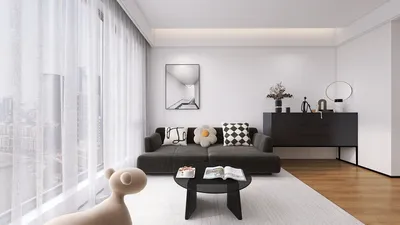


I once worked with a client who emphasized that their standing desk needed to be able to fold into a coat closet, primarily to prevent their cat from using it as a cozy napping spot. This amusing challenge nearly led us to accidentally create a treadmill-desk hybrid. This experience taught me that tight spaces can inspire innovative solutions rather than necessitate compromises. For those skeptical about what can be accomplished in small areas, I maintain a gallery of small room makeovers that showcases the potential transformations: small room makeover gallery.
Compact areas often ignite immense creativity. In this article, I will outline five practical inspirations for adjustable standing desks suited for small spaces, all derived from actual projects, successful outcomes, and a couple of lessons learned (yes, I have had to rework wiring before).
1. Wall-mounted fold-up standing desk
Imagine a sleek panel that can fold down similarly to a breakfast tray. It conserves floor space as soon as it’s folded up and is ideal for hallways or alcoves. In one studio project, I implemented taped cable channels along with a straightforward gas-spring lift, creating a seamless transition between sitting and standing positions.
Advantages: extremely compact, relatively affordable, simple installation. Challenges: limited weight capacity and fewer power outlets—make sure to plan ahead for power placement and cable management.
save pin
2. Corner L-shaped adjustable desk
Corners often go unused; however, an L-shaped sit-stand desk can transform that disregarded area into a productive workspace. I designed one for a couple who required dual monitors while still wanting space for some plants.
Advantages: optimizes space usage, facilitates multitasking. Disadvantages: can feel cumbersome in extremely tight rooms, so it's best to choose narrower leg frames and a compact sit-stand mechanism.
save pin
3. Convertible shelving + desk combo
Merge storage and a lifting desk, placing your books and office supplies above the workstation. I frequently present clients with photo-realistic renders to help them envision how shelving and an electric lift can harmoniously coexist without appearing cluttered: photo-real renders.
Advantages: fantastic storage-to-desk ratio and a visually appealing design. A minor difficulty: electric lifts can be pricier and require careful planning for power routing—consider budgeting for professional installation if you're not handy.
save pin
4. Mobile sit-stand cart
Wheels are often overlooked. A height-adjustable cart allows you to shift the desk out of the way when guests arrive or roll it next to a sofa to create an instant workstation. I built a prototype with locking casters and a modest tabletop; it quickly became a client favorite.
Pros: incredibly flexible and low commitment. Cons: less stable for heavier equipment and requires a designated area where it won't obstruct pathways.
save pin
5. Hidden drawer-mount with electric lift
For those who appreciate uncluttered surfaces, conceal the mechanism within a custom drawer or media console, allowing the desk to rise discreetly from the furniture. I once utilized an AI design showcase to demonstrate how hidden lifts can seamlessly integrate into minimalist interiors: AI design showcase.
Advantages: luxurious feel, streamlined design, great for multipurpose rooms. Challenges: increased construction costs and precise carpentry—worth it if you desire that element of surprise.
save pin
FAQ
Q1: Are adjustable standing desks suitable for small spaces?
A1: Absolutely—when designed carefully, they maximize available space and enhance ergonomics. Opt for foldable, corner, or concealed designs to minimize the footprint.
Q2: What height range is ideal?
A2: Look for desks that meet your seated and standing elbow heights. A typical range is about 28"–48" but confirm specifications that fit your unique height and monitor preferences.
Q3: Are electric lifts a must-have?
A3: Not necessarily. Manual crank or gas-spring options may be lighter and more affordable, but electric lifts offer smoother adjustments, particularly if you frequently change positions.
Q4: How can I effectively manage cables in small setups?
A4: Employ adhesive cable channels, under-desk trays, and power strips mounted to the desk. Proactive planning of outlet placement is essential to avoid visible extension cords.
Q5: Is it better to stand all day?
A5: Not at all—experts advise alternating between sitting and standing. According to the Mayo Clinic, switching positions and taking micro-breaks can help alleviate back strain and fatigue (mayoclinic.org).
Q6: What is a realistic budget for such setups?
A6: You can create a basic fold-up desk for under $200. Anticipate spending between $400 and $1,200 for mid-range electric systems, and over $1,200 for custom concealed designs that include cabinetry.
Q7: Can dual monitors be used on compact standing desks?
A7: Yes—consider wall or monitor arm mounts to free up desk surface space. Ensure that the desk’s lift capacity can accommodate the combined weight of the arms and displays.
Q8: Where can I find design inspiration and case studies?
A8: Explore professional case pages and rendered visuals to discover proven layouts and real-scale solutions; they greatly assist in visualizing how an adjustable standing desk can work within your specific space.
save pin
Discover the ease of home design with Homestyler! This user-friendly platform offers an intuitive online design tool, stunning 3D renderings, and a wealth of DIY video tutorials. Whether you're revamping a room or starting from scratch, Homestyler empowers you to create your dream space effortlessly.
Diseño ahora GRATIS
































