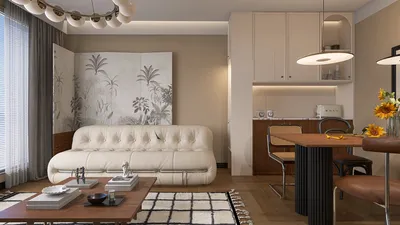


In the latest trends of interior design, a delightful shift is emerging — many are opting to eliminate the traditional sofa from their living spaces. With my experience redesigning a number of small apartments, I have witnessed firsthand how these compact areas ignite incredible creativity. By forgoing a couch, the living room transforms into a more open, adaptable, and personalized environment. Here, I’ll present 10 innovative living room concepts that don’t include a sofa — blending my own insights with expert recommendations to inspire your redesign with Homestyler.
1. Floor Seating with Layered Rugs
My Insight: In my first studio, accommodating a traditional sofa was impossible without making the space feel congested. Instead, I chose floor cushions atop layered rugs, resulting in an inviting yet spacious atmosphere.
Advantages: This layout is versatile, economical, and fits a bohemian style perfectly. Floor seating can be repositioned effortlessly for gatherings — ideal for vibrant small living rooms.
Disadvantages: Sitting at a lower level may not be enjoyable for everyone; older guests might find it challenging.
Recommendation: Invest in thick, washable rugs to carve out distinct areas while adding texture.
2. Built-in Window Bench
My Insight: This is a favorite choice for clients seeking seating, storage, and a striking feature. In a project overlooking the harbor, a built-in bench became a focal point of the room.
Advantages: It provides storage beneath, makes use of often neglected spaces, and offers a seating experience that emphasizes the view.
Disadvantages: Its fixed nature offers less flexibility for rearrangement.
During my comprehensive coastal-inspired project, the window bench was a standout piece, freeing up the room's center.
3. Oversized Armchairs
My Insight: I once furnished a cozy living area with two oversized velvet armchairs, making them the center of attention in the home.
Advantages: Comfortable, easily fit into smaller spaces, and allow for individual seating. They are great for fostering conversation.
Disadvantages: They provide less lounging space compared to a sofa and may be more expensive if opting for designer brands.
4. Daybed as a Statement Piece
My Insight: In a loft renovation, substituting a sofa for a low-profile daybed opened up sightlines and maintained an airy feel.
Advantages: Functional for both sitting and napping; perfect for occasional overnight guests.
Disadvantages: Not ideal for formal gatherings; additional accent chairs may be needed for diverse seating.
5. Dining Table & Chairs Hybrid Space
My Insight: In city apartments measuring less than 40 sqm, combining the living and dining areas maximizes every square meter.
Advantages: Reduces the need for duplicate seating areas, opens the room up for more multifaceted activities, streamlining the design.
Disadvantages: Creates a more functional rather than cozy atmosphere.
In my open-concept redesign, an eclectic dining-lounge arrangement significantly improved the room's flow.
6. Hanging Chairs or Swings
My Insight: Adding a rattan hanging chair in a small loft infused the space with a playful, light ambiance.
Advantages: Generates an airy aesthetic, keeps the floor free of clutter, and serves as a standout decorative piece.
Disadvantages: Requires robust ceiling support and may not fit every architectural style.
7. Modular Poufs
My Insight: I adore using modular poufs for adaptable, movable seating in versatile areas.
Advantages: Lightweight and easily rearranged, they can serve as side tables or footrests too.
Disadvantages: Generally, they’re not as supportive for prolonged sitting; require regular fluffing.
8. Workstation Integration
My Insight: For a young couple working from home, converting a sofa area into a chic workspace boosted productivity.
Advantages: Ideal for remote workers, creates a practical setup, and can be harmoniously integrated with living area decorations through Homestyler.
Disadvantages: Might sacrifice relaxation space; needs discipline to keep the work area organized.
Combining a compact work-living setup with warm lighting can render the room welcoming even without traditional seating.
9. Gallery-Style Lounge
My Insight: Transforming the living room into an art-centric area with benches and stools created a personal exhibition space.
Advantages: Shows off your personality, promotes interaction, and is highly adaptable for social events.
Disadvantages: More suited for art appreciation than lounging — less ideal for binge-watching.
10. Plant-Filled Zen Corner
My Insight: One of my all-time favorites involves integrating various plants, low seating, and meditation stools, turning it into a healing retreat.
Advantages: Infuses the indoors with nature, aids in relaxation, and can enhance air quality (as noted by the NASA Clean Air Study).
Disadvantages: Requires consistent plant maintenance; may not appeal to minimalists who are not fond of greenery.
Conclusion
Choosing to forgo a couch in your small living room opens up a world of design possibilities rather than bringing limitations. The American Society of Interior Designers emphasizes that flexibility and personalization are pivotal trends in contemporary homes. Which of these 10 couch-free living room ideas resonated with you?
FAQ
1. Why opt for a living room without a sofa?
Eliminating the couch liberates floor space, promotes innovative layouts, and can create an illusion of larger rooms.
2. What’s a cozy alternative to a sofa?
Daybeds and oversized armchairs provide comfort while bypassing the bulkiness of customary couches.
3. Can a sofa-less living room still be stylish?
Definitely — style is achieved through proportionate furniture, layered decor, and harmonious color schemes, as highlighted by Elle Decor.
4. How can I entertain guests without a sofa?
Incorporate different seating types like poufs, benches, and chairs; this fosters a more engaging atmosphere.
5. Is a no-couch living area more affordable?
It often is, especially if you choose options like floor seating, DIY benches, or thrifted chairs.
6. Will removing a couch decrease resale value?
Not necessarily — numerous buyers value adaptable spaces, especially in urban settings.
7. How should I arrange furniture without a central sofa?
Utilize area rugs to delineate spaces and set up seating in conversational clusters.
8. Can I still watch TV without a couch?
Absolutely — pairing a mounted TV with comfy chairs or floor cushions creates an inviting setup.
Homestyler is your go-to online home design platform, perfect for anyone looking to revamp their space. With its easy-to-use design tool, stunning 3D renderings, a wealth of design projects, and insightful video tutorials, you'll effortlessly create your dream home. Start designing today!
Дизайн сейчас бесплатно
































