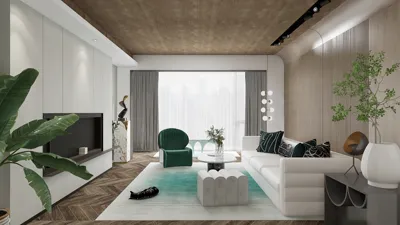


Once, I tucked a client’s small Honeywell heater into a bookshelf since they requested "invisible warmth." It’s amusing until you remember the smoke alarm went off—what a lesson! Heating solutions and décor definitely need to coexist with certain safety rules. Before I arrange any furniture, I typically sketch layouts using a room planner, which saves me from reliving that chaotic incident.
Compact living areas often demand innovative approaches, and a small Honeywell space heater can be a great ally if you consider it a design element while adhering to safety norms. Below, I will outline five practical inspirations drawn from real projects, highlighting why each method is effective, their benefits, and the minor challenges you may encounter.
1. Foster a Cozy Nook with Specified Clearances
I once converted a corner near a reading chair into a snug zone: complete with a side table, lamp, and a Honeywell heater positioned at the chair's base. These small heaters are ideal for targeted warmth—less energy consumption than cranking up central heating—but remember to maintain at least three feet of clearance from any flammable materials. The benefit here is immediate comfort in a compact space, but you must resist the temptation to pile throws or magazines nearby.
save pin
2. Utilize as a Zone Heater in Open-Concept Studios
In studio apartments, I treat the compact Honeywell unit as a zone heater: warming where people reside rather than the entire space. This approach reduces energy costs while avoiding unsightly radiators. One challenge is maintaining airflow: small areas can easily overheat or feel stale, so I combine the heater with a small oscillating fan or periodically open doors to regulate temperature.
save pin
3. Integrate with Low Furniture, Avoid Concealment
Clients often desire hidden appliances, but enclosing a heater poses safety risks. Instead, I suggest integrating the heater into low-profile furniture, such as a short media console with a ventilated opening. This strategy ensures a purposeful look while maintaining safety. If you're designing a kitchenette where every inch counts, carefully position the heater away from cabinets and cooking areas; for design inspiration, I frequently refer to kitchen layout ideas for compact apartments.
save pin
4. Opt for Models with Safety Features and a Simple Design
Modern Honeywell small space heaters often come equipped with essential safety features like tip-over protection, overheat cutoffs, and adjustable thermostats. I prefer sleek white or matte finishes that harmonize with Scandinavian or minimalist aesthetics—these designs blend effortlessly and reduce the risk of clashing decor. However, note that most compact models may deliver reduced power, being perfect for individual zones but less effective in larger areas.
save pin
5. Incorporate Portability into Your Design Strategy
The portability factor is a significant advantage: easily move the small Honeywell heater from the bathroom to the bedroom on chilly mornings. I create lightweight stands or designate specific outlets, ensuring the movement of the unit feels deliberate. For a comprehensive spatial evaluation before making a commitment, use 3D floor planning tools to visualize how the heater fits into various layouts while respecting safety clearances.
save pin
FAQ
Q1: Is a Honeywell small space heater safe for bedrooms?
Yes—when used according to the manufacturer’s guidelines: place it on a stable surface, maintain required clearances, and avoid leaving it unattended while sleeping. Many models are equipped with tip-over and overheat protection for enhanced safety.
Q2: How close can a heater be to furniture?
Maintain at least three feet (approximately one meter) of distance from furniture, curtains, and paper items. This precaution helps prevent heat buildup and reduces fire hazards.
Q3: Will using a small space heater significantly increase my electricity bill?
It depends on usage. Using small zone heating for just a few hours can be more economical than heating the entire home, but continuous operation will still contribute to your overall bill. Employ timers and thermostats to manage runtime effectively.
Q4: Can I use a space heater in a bathroom?
Only utilize models that are rated specifically for bathroom use and keep them distanced from water sources. Many compact heaters are not designed to be splash-proof, so it’s crucial to check the specifications carefully.
Q5: What top safety features should I look for?
Seek models that include tip-over shutoff, overheat protection, adjustable thermostats, and appropriate certification marks (UL/ETL). These features enhance safety and improve user control.
Q6: How do I style a visible heater to complement the room?
Opt for a neutral finish, use it alongside low furniture, and keep the area around it free of clutter. Consider it as a functional accessory—sometimes a slim metal tray or coordinating side table can help it blend seamlessly into the design.
Q7: Where can I access reliable layout tools to test placement?
I frequently utilize online layout and visualization tools to experiment with heater placement before making a purchase; a quick mockup aids in avoiding unsafe configurations and aesthetic errors.
Q8: Are there established safety guidelines I should follow?
Absolutely. The U.S. Consumer Product Safety Commission offers clear recommendations on space heater safety—observe clearance requirements, never leave heaters unattended, and adhere to the manufacturer's instructions (CPSC: https://www.cpsc.gov/Safety-Education/Safety-Education-Centers/Space-Heaters).
save pin
Discover your home's potential with Homestyler! This intuitive online design platform offers a robust design tool, stunning 3D renderings, and a wealth of design projects. Plus, with easy-to-follow video tutorials, transforming your space has never been simpler or more enjoyable. Start your design journey today!
지금 무료로 디자인하세요
































