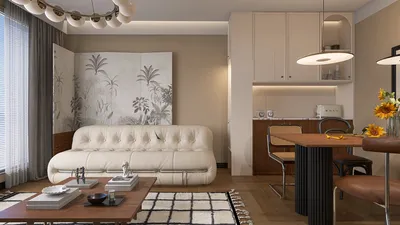


In my experience working with clients, I've encountered a particularly memorable case where a client requested identical neon-green beds for their two children. They envisioned these beds doubling as secret reading nooks, all within a room smaller than a typical studio kitchen. This taught me that compact spaces necessitate inventive compromises; often, that bold neon vision transforms into a smart built-in design equipped with hidden storage. If you're currently struggling with fitting twin beds into a small room, consider what the space inherently wants to be and explore room layout ideas to inspire creativity. Homestyler can help you visualize these concepts effectively.
1. Opposite-wall twins creating a shared center space
Arranging twin beds on opposite walls facilitates a clear pathway through the room while establishing a communal area in the center perfect for a rug or play table. In a 9'x10' space, I implemented this layout, allowing the kids to maintain their individual space yet still providing a common corner for toys. This design strikes a balance, but be mindful to use narrow nightstands or wall shelves to maintain an open feel.
save pin
2. Asymmetric heights: a lofted bed alongside a lower twin bed
Combining a lofted bed with a twin bed delivers a snug elevated nook for one child while providing easy access to the other below. I designed this for siblings with varying ages; the loft became a personal reading space. This arrangement offers incredible functionality, although it's important to ensure robust anchoring and a secure ladder — and brace for a bit of noise when the ladder is used.
save pin
3. Mirrored minimalism featuring built-in storage
In tight areas, I recommend integrating storage into the bed frames while mirroring designs, allowing each child to have similar drawers and shelves. This approach maintains a tidy appearance and fosters organization skills. To accurately visualize the fit before implementing it, I frequently create a quick 3D mockup — utilizing Homestyler for this purpose can streamline the process and prevent unnecessary confusion and carpentry errors.
save pin
4. Foldaway twin beds and convertible options
Murphy or foldable twin beds are invaluable for multifunctional rooms that need to serve as study or play areas during the day. I once transformed a small guest room into a children’s space with foldaway twins, which provided ample room for a study table during the day. While the complexity of the mechanics and the slightly elevated cost can be concerns, the resultant flexibility tends to yield a significant return in usable square footage.
save pin
5. Symmetrical zones featuring a shared study wall
Creating a single long desk or two adjacent workstations between the beds cultivates a harmonious aesthetic and simplifies parental supervision. Recently, I designed a project with identical task lamps and pegboards to allow each child to personalize their area. While this solution promotes a sense of equality, ensure that good lighting controls are in place so that one child's lamp does not disturb the other’s sleep.
save pin
FAQ
Q1: What’s the smallest room size that accommodates two twin beds?
Most layouts can fit two twin beds into a space measuring roughly 9'x10' through clever placement and the use of slender furniture. By optimizing circulation and utilizing vertical storage, you can make even more compact spaces functional.
Q2: Are loft beds suitable for younger children?
Loft beds can be safe, provided they adhere to the manufacturer's guidelines regarding height and guardrails and that the child is comfortable with climbing. For younger children, I suggest lower loft heights alongside secure ladder designs.
Q3: How much space should there be between two parallel twin beds?
A comfortable walkway requires about 24 to 30 inches between beds for easy movement; tighter spacing can work but limits usability and storage options.
Q4: Can I incorporate a trundle bed with a twin?
Absolutely — a twin bed with a trundle is ideal for occasional guests while maintaining a minimal daily footprint. Ensure the trundle is equipped with wheels that glide smoothly on your flooring type.
Q5: What materials are recommended for beds for young children?
Durable finishes such as lacquered MDF or solid wood with protective coatings are advisable. It's best to steer clear of fragile veneers and opt for knock-down fittings if you anticipate needing to reconfigure the space later.
Q6: What’s the best way to plan lighting for two beds?
A layered lighting approach is most effective: a ceiling fixture for overall illumination, plus task lamps or wall-mounted reading lights for each bed. Adding dimmer switches can help create various moods for bedtime routines.
Q7: Are there specific building codes or safety standards concerning bunk or loft beds?
Yes. The U.S. Consumer Product Safety Commission has detailed guidelines for bunk bed safety that you should review, particularly in relation to guardrail height and mattress thickness as per CPSC recommendations.
Q8: What’s the simplest method to test layouts before purchasing furniture?
Creating a scaled plan on graph paper can be beneficial, or consider using an online room planner, such as Homestyler, to drag-and-drop bed designs and examine circulation flows — this often reveals overlooked issues.
save pin
Homestyler is your go-to online home design platform that makes creating beautiful spaces easy and enjoyable. With its user-friendly design tool, stunning 3D renderings, diverse design projects, and helpful video tutorials, you can effortlessly transform your ideas into reality—perfect for both novice and experienced designers!
立即免费设计
































