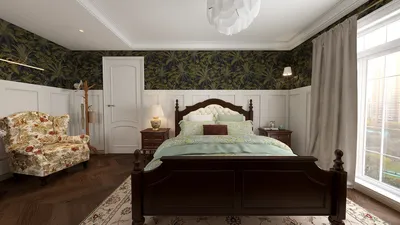


I once found myself agreeing to paint a client’s living room with what they referred to as their ‘mystery paint’ from the garage. The lesson was clear: opting for inexpensive paint and inadequate preparation can easily transform a straightforward weekend project into a month of tedious touch-ups. If you're faced with a multitude of paint cans and a limited budget, I completely understand—the smallest mistakes can escalate costs incredibly fast. For effective planning, I often utilize a visual room mockup to evaluate how different colors will appear in a space before committing to a gallon purchase. Incorporating tools like Homestyler can greatly aid in visualizing these changes.
Transforming small spaces can ignite creativity, and painting is one of the quickest methods to alter the ambiance without undergoing a complete renovation. Below, I present five practical strategies I apply in real projects to keep interior house painting costs manageable while maximizing design impact.
1. Assess price by zone, not by room
Rather than charging per room, I often divide a home into painting zones—such as high-traffic areas, feature walls, and ceilings. This approach allows clients to prioritize their focus—perhaps tackling the ceilings of the entire house later while concentrating on living spaces now. The advantage of this method lies in better budget management, although it necessitates more upfront planning to bypass mid-project decisions that might inflate labor costs.
save pin
2. Choose finish and quality with intention
Quality paint may have a higher price tag, but it offers greater durability and generally requires fewer coats. I often recommend using eggshell or satin finishes for most walls and a washable semi-gloss for trim areas. Investing in higher-quality paint can sometimes be more economical as it covers in fewer layers, although this does mean spending more initially.
save pin
3. Incorporate targeted accent walls to minimize surface area
Instead of repainting every space, consider refreshing focal walls or built-ins to create a new look with less paint and labor. This approach is particularly beneficial when working with a tight budget, yielding noticeable changes without incurring full-room expenses. For kitchen areas, I combine this with a quick kitchen layout review to ensure the paint selections harmonize with cabinetry and countertops, efficiently avoiding wasted color samples.
save pin
4. Optimize labor by preparing smartly
The bulk of time spent on painting often goes into preparation tasks like caulking, sanding, and patching. I advise homeowners to declutter and remove hardware before the professionals arrive—this is a straightforward task that can significantly reduce labor time. However, it is critical not to skip essential prep work, as this could jeopardize the quality of the finish achieved, so choose what to DIY carefully.
save pin
5. Engage professionals for the challenging parts, handle the rest yourself
Professional help is invaluable for tricky areas like ceilings, high walls, and intricate trims, whereas flat walls are typically manageable for DIY projects. Clients often save between 20% to 40% by opting to combine professional assistance with their own efforts. If you’re uncertain, obtain a professional estimate for the more complicated sections while tackling the simpler parts yourself to realize savings and gain valuable experience.
save pin
FAQ
Q1: What is the average interior house painting rate per square foot?
I generally provide quotes that range from $1.50 to $3.50 per square foot for standard interior projects, dependent upon the region and finish quality; more complicated tasks tend to increase costs.
Q2: How much does it cost to paint a single bedroom?
Typically, painting a standard bedroom ranges from $300–$800 when factoring in labor and mid-range paint costs, although variations in size and prep requirements can affect this amount.
Q3: Do hourly or per-room rates save money?
Hourly rates can be fair for minor touch-ups, but per-room or per-zone estimates provide clearer total costs and help eliminate unexpected expenses.
Q4: How should I balance budgeting for materials versus labor?
On average, labor accounts for about 60–75% of the total costs, with high-quality paint and supplies making up the remaining percentage.
Q5: Will opting for premium paint cut long-term costs?
Indeed—premium paint typically requires fewer applications and offers a longer lifespan, which can reduce the frequency of maintenance and repainting.
Q6: What’s the best way to verify a contractor’s estimate?
Request itemized quotes, references, and a clear timeline; comparing multiple estimates often reveals concealed costs or overly optimistic schedules.
Q7: Are there regional benchmarks for painting costs?
Yes, for instance, HomeAdvisor provides local averages for interior painting expenses, which can help in validating estimates (see: https://www.homeadvisor.com/cost/painting/interior-painting/).
Q8: What design tools aid in planning paint budgets?
I rely on mockups and layout checks to visualize the aesthetic impact before purchasing paint; using a 3D floor overview can showcase how colors interact with light and other finishes, thus helping to avoid costly mistakes.
save pin
Homestyler is your go-to online platform for home design! With its user-friendly design tool, stunning 3D renderings, and a wealth of design projects and video tutorials, you can effortlessly transform your space into a dream home. Start your design journey today!
Design Now for FREE
































