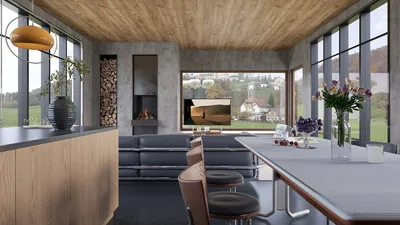


I once had the opportunity to design a compact galley kitchen for a newlywed couple who were determined to fit a full-size table into a space that was scarcely wider than a hallway. In the end, we opted for a slender rectangular table that neatly tucked against the wall, and the couple cherished it for their morning coffees and late-night meals. If there's one crucial lesson I learned from that near mishap, it's that minimizing space encourages smarter design decisions, and often, a slim table emerges as the unsung hero in tight areas.
1. Slim console table that transforms into a dining table
I frequently suggest a sleek console table that can serve as a dining surface. This design looks elegant when placed against the wall and can be unfolded or furnished with stools when guests arrive. The advantage is that it combines style with a minimal footprint, but the trade-off is limited elbow space during larger dinners.
Budget-friendly tip: hunt for a second-hand console and enhance it with a removable leaf or a more durable butcher-block top.
save pin
2. Narrow drop-leaf table
For studio apartments, I favor a narrow drop-leaf rectangular table that remains compact on a daily basis but can expand for two or three people during gatherings. It's a well-rounded solution—offering great flexibility, although it does require careful consideration of hinge quality and clearance to prevent wobble.
In one of my projects, I strengthened the hinges and installed floor anchors; although it was a minor additional cost, it significantly improved the longevity of the table.
save pin
3. Built-in bench with a rectangular tabletop
Built-in seating truly transforms the space: a slim rectangular table paired with a bench utilizes vertical wall area and enhances floor flow. The bench also provides hidden storage beneath, thereby maximizing seating while also offering storage solutions.
If you wish to visualize layouts before making cuts, using 3D modeling can be incredibly beneficial—it has certainly saved me from several awkward layout mistakes in the past. One effective tool for this visualization is Homestyler, which allows for dynamic design planning.
save pin
4. Cantilevered wall-mounted table
A cantilevered rectangular table attached to the wall conserves floor space and creates a modern and airy atmosphere. It’s stylish and functional, but be sure to verify the wall studs and weight limitations, as it's not suited for heavy-duty use or overloaded days.
Expert tip: opt for marine plywood or hardwood to achieve a thin, robust edge that appears high-end without adding bulk.
save pin
5. Narrow farmhouse-style table with assorted seating
Yes, it is entirely possible to infuse farmhouse charm in a smaller rectangular setup—combine a narrow wooden table with an array of mismatched chairs or stools. This arrangement feels cozy and intentional; however, be sure to carefully measure for matching heights and adequate legroom.
To experiment with various placements and proportions before purchasing, consider using kitchen layout templates. When I’m on-site, I often draft quick floor plans to confirm traffic pathways and appliance clearances.
save pin
FAQ
Q1: What are the ideal dimensions for a compact rectangular kitchen table?
I typically suggest widths ranging from 24 to 30 inches for a slim rectangle, with lengths between 36 and 60 inches depending on the number of seats required. These dimensions strike a comfortable balance between dining space and walk-through area.
Q2: Can a rectangular table be suitable for a galley kitchen?
Absolutely—a narrow profile coupled with a wall-mounted setup or bench combination can keep pathways clear. Ensure a minimum of 36 inches for movement behind seated positions.
Q3: Are drop-leaf tables robust enough for everyday use?
High-quality drop-leaf tables can indeed be quite sturdy, provided the hinges and supports are well-crafted; reinforcing the joints during installation helps. For regular intense use, a fixed wooden top offers greater strength, but drop-leaf designs provide remarkable flexibility.
Q4: How should I select seating for a narrow rectangular table?
Benches and stools are excellent space-saving options that slide conveniently underneath the tabletop; chairs with narrow legs or armless styles help prevent overcrowding. Be mindful of mixing heights to maintain comfort and visual harmony.
Q5: What clearance is advisable around a kitchen table?
I adhere to a guideline of at least 36 inches behind chairs for safe walking, and 42–48 inches in cooking zones. These standards align with industry recommendations from the National Kitchen & Bath Association (NKBA); visit nkba.org for more information.
Q6: Is wood preferable to metal for a small table?
While wood adds warmth and conceals wear, metal can have a slimmer, more industrial aesthetic. Your choice should hinge on your maintenance preferences: wood requires upkeep but develops character over time; metal is less demanding but may feel cold.
Q7: How can I maximize storage with a small table?
Opt for tables that include under-top shelves or drawers, or pair them with a storage bench. Installing wall-mounted shelving above the table keeps items off countertops without crowding floors.
Q8: Can a rectangular table serve as a prep surface?
Yes, particularly if the tabletop material is sturdy, such as butcher block or sealed hardwood; just be cautious not to overload unsupported drop leaves. For elaborate meal preparations, consider having a dedicated prep counter.
save pin
Homestyler is your go-to online home design platform! With its user-friendly design tool, stunning 3D renderings, and a wealth of inspiring design projects and DIY video tutorials, you can effortlessly transform your space and bring your interior design vision to life.
立即免费设计
































