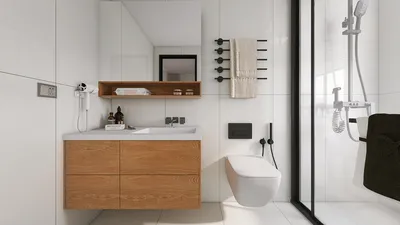


I once had the opportunity to design a cozy studio where I proudly featured a stunning island, only to witness the client trip over it during our initial walkthrough. This experience taught me that aesthetics without adequate clearance can become an inconvenient obstacle. Since that day, I have made it a priority to visualize layouts in 3D, which not only helps avoid awkward walkthroughs but also impresses clients with smooth transitions rather than stumbles.
Tips 1:
Small spaces necessitate thoughtful choices, which can spark creativity. Here are five design inspirations for compact areas that I've frequently implemented, complete with insights on their advantages, potential drawbacks, and budget considerations from my actual projects.
1. Multi-functional furniture as the core element
I'm a huge fan of versatile furniture like sleeper sofas, Murphy beds, and dining tables that can also function as desks—each of my small apartment projects includes at least one of these pieces. The benefits are clear: fewer items combined with greater utility; however, sourcing durable mechanisms that remain functional over time is a challenge.
Budget tip: prioritize high-quality hardware for moving elements and select fabrics that disguise wear; this will ultimately reduce replacement expenses.
save pin
2. A mix of open shelving and concealed storage
Open shelving creates an airy feel in small homes, while hidden storage solutions maintain a clutter-free environment. In one kitchen renovation, I combined floating shelves with toe-kick drawers, and the client was thrilled with how spacious the room felt.
Pros: increased visual openness and optimal storage. Just be cautious of dust—open shelves require regular styling to avoid chaos in display.
save pin
3. Zoning using lighting and rugs
I frequently establish different areas in small spaces by using layered lighting and rugs instead of walls. For instance, a pendant light above the dining area paired with a floor lamp in a reading nook can delineate separate zones even when square footage is limited.
This cost-effective strategy offers substantial psychological benefits, but it’s crucial to plan electrical wiring early to avoid retrofitting conduits that could stretch your budget. For quick concept evaluations, I sometimes utilize tools like Homestyler to test various lighting configurations through accessible floor plans.
save pin
4. Embracing vertical space—think tall instead of wide
When floor space is limited, it’s wise to build upward. Vertical cabinets, stacked storage solutions, and lofted beds can significantly recover usable floor area. I had a client who maximized their apartment by installing a lofted bed, creating a living/working area underneath, effectively transforming the space into two distinct rooms.
The challenge here is that taller elements can sometimes feel overwhelming; balancing them with mirrored surfaces and lighter colors can prevent a claustrophobic atmosphere.
save pin
5. Efficient kitchen micro-layouts that act like larger kitchens
In compact homes, kitchens must excel in functionality. I design practical work triangles, designate landing spaces, and select slimmer appliances to ensure that cooking feels unobstructed. Minor adjustments, such as pull-out pantry panels and angled placements for appliances, can have a major impact.
Experimenting with kitchen layouts early in the design phase using tools like Homestyler enables testing that saves expenditure once cabinetry is installed.
save pin
FAQ
Q1: What is the first step in creating an efficient small home design?
A1: Begin with accurate measurements and outline activities (sleeping, cooking, working). Early zoning and a basic 3D draft can prevent costly rework and wasted budget.
Q2: How much of my budget should I allocate for custom storage in a small apartment?
A2: Set aside 10-20% of your renovation budget for custom cabinetry if storage is essential; while prefabricated units are typically less expensive, they lack tailored fit.
Q3: Are multifunctional furniture pieces reliable in terms of durability?
A3: Many of these pieces are durable, but quality can vary; opt for items with metal mechanisms and solid warranties—be sure to test their function before making a purchase.
Q4: What are some ways to make a compact kitchen appear larger?
A4: Use continuous countertops, utilize light-reflecting glossy backsplashes, keep upper cabinets shallow or switch to open shelving, and ensure clear landing areas near appliances.
Q5: Can changes in lighting truly alter the perception of space?
A5: Indeed, using layered lighting (ambient, task, accent) can create depth and distinct zones, contributing to a more spacious and functional feel in limited areas.
Q6: How crucial is ventilation and air quality in small homes?
A6: Proper ventilation is vital; use range hoods and mechanical ventilation when feasible. Adequate airflow is essential for comfort and health (Source: U.S. Environmental Protection Agency - EPA).
Q7: How should I approach color selection for a tiny home?
A7: Light, warm neutrals visually expand a space; use contrasting colors cautiously to inject personality without chopping up the area.
Q8: How can I experiment with layout designs before finalizing them?
A8: Use simple floor plan software or tools like Homestyler to mock up and evaluate flow and clearance; this step is key to avoiding costly miscalculations and clarifying compatible furniture choices.
save pin
Discover your inner designer with Homestyler! This user-friendly platform offers an intuitive online design tool, stunning 3D renderings, and a wealth of design projects and DIY video tutorials. Whether you're a beginner or an expert, you'll find everything you need to transform your space effortlessly!
Design Now for FREE
































