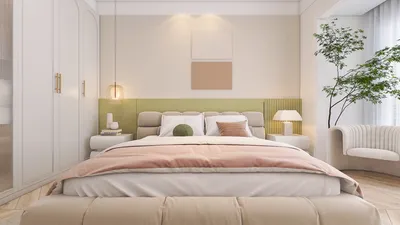


As a designer with over ten years dedicated to transforming small spaces into inviting retreats, I firmly believe that compact living rooms can ignite substantial creativity. The prevailing trend in interior design emphasizes functional minimalism, cozy textures, and flexible layouts, especially when centering a TV in the design. In this article, I'm excited to present ten straightforward small living room concepts featuring a TV, combining my personal insights with established design techniques. Moreover, I will illustrate how smart options, like utilizing the Homestyler tool for minimalist TV wall storage, can significantly enhance the atmosphere of a space.
1. Wall-Mounted TV with Floating Shelves
My Experience: I recall setting up this layout for a client who wished to maximize floor space. It instantly created a more spacious and organized feel in the room.
Advantages: This arrangement optimizes floor space, conceals cables, and combines TV storage with decorative elements. The floating shelves serve as both a display area for decor and a discreet storage solution for media devices.
Disadvantages: Installation involves drilling into walls, which may be unsuitable for renters. Additionally, early planning for cable management is essential.
Suggestion: Ensure the shelves are wider than the TV to establish visual balance.
2. TV Positioned Above a Narrow Console Table
My Experience: For a project in an apartment, I chose a console table just wide enough to accommodate a few plants and a soundbar beneath the TV, maintaining a sleek and elegant appearance.
Advantages: Ideal for tight spaces; provides a stylish surface without consuming much depth; easily rearranged as needed.
Disadvantages: Limited storage compared to larger media units; surfaces must remain tidy for the design to work effectively.
Insight: Narrow furniture is often more affordable and easier to transport, especially in multi-story buildings.
3. Multifunctional TV Wall with Concealed Storage
My Experience: Once, I crafted a custom wall unit featuring sliding panels to hide the TV when not in use. My clients appreciated its clean, streamlined appearance.
Advantages: Prevents the TV from overpowering the room visually; offers hidden compartments for DVDs, games, or toys; aligns with a minimalist lifestyle.
Disadvantages: Custom units can be costly; careful planning for wiring and ventilation is required.
Research Note: According to a 2023 study by Houzz, integrated storage options are a critical priority in compact homes.
4. Corner TV Setup
My Experience: In smaller living areas, I sometimes place the TV in a corner to free the main wall for art or shelving.
Advantages: Makes unconventional layouts feasible; can minimize glare; allows for more wall space usage.
Disadvantages: Finding the right viewing angle can be challenging; requires careful measurements for corner mounts.
Suggestion: Utilize a swivel mount for enhanced flexibility.
5. Stylish Accent Wall with TV
My Experience: Painting the TV wall a softer contrasting hue can create depth and draw attention tastefully — a technique I employed in a small loft, yielding excellent results.
Advantages: Adds character without overwhelming the space; gives the wall an intentional feel; pairs nicely with open shelving.
Disadvantages: Dark shades can make a room feel smaller if overused; careful color selection is necessary.
6. Built-in Seating with TV Niche
My Experience: One of my favorite projects involved a built-in bench under a TV alcove, cleverly combining additional seating and storage.
Advantages: Space-efficient by merging functions; seating also offers storage; creates a snug nook.
Disadvantages: Less flexibility for those who enjoy rearranging; requires skilled woodworking.
Related Inspiration: These designs complement wood accents to maintain a warm atmosphere that flows into open living spaces.
7. Slim Vertical Storage Beside the TV
My Experience: Incorporating tall, narrow cabinets on either side of a wall-mounted TV adds symmetry while providing hidden storage for books, remotes, or decor.
Advantages: Efficient use of vertical space; gives a framed appearance to the TV area; minimizes clutter.
Disadvantages: If too bulky, cabinets can visually compete with the TV; might limit options for wall art.
Suggestion: Opt for glass-front doors to maintain a light and airy feel.
8. Mobile TV Stand on Wheels
My Experience: In adaptable spaces, mobility is essential. For a studio apartment, I helped a client design a wheeled unit that accommodated both TV and storage bins.
Advantages: Allows repositioning for various activities; serves as a room divider; particularly suitable for rentals.
Disadvantages: Generally less stable than permanent fixtures; managing cables can be cumbersome.
9. Gallery Display Surrounding the TV
My Experience: I've creatively framed TVs within a gallery of artwork and photographs, enabling them to seamlessly integrate into the decor rather than stand out as technology.
Advantages: Softens the technological look; introduces character; makes the TV part of a curated exhibition.
Disadvantages: Can appear cluttered if the artwork lacks cohesion; requires careful planning of frame sizes.
Suggestion: Maintain a consistent color palette for a harmonious effect.
10. Recessed TV Installation
My Experience: Recessing a TV creates a sleek, integrated look, maximizing floor space — a strategy I suggested for clients favoring flush wall finishes.
Advantages: Offers a contemporary aesthetic; protects the TV; conserves space.
Disadvantages: Not always feasible in load-bearing walls; installation can be more intricate.
Professional Tip: This setup works wonderfully with custom lighting designs to achieve a subtle ambient glow.
Conclusion
Ultimately, a small living room featuring a TV isn't about making sacrifices—it's about intelligent, deliberate design choices. Research from the National Kitchen & Bath Association indicates that embracing functional minimalism can enhance the livability and spaciousness of compact homes. Which of these ten concepts would you incorporate using tools like Homestyler in your own space?
FAQ
1. How can I design a small living room with a TV to appear larger?
Consider wall-mounted options, light colors, and multipurpose furniture to minimize clutter.
2. What’s the ideal TV size for a small living room?
Typically, a size between 43 to 55 inches works well; this depends on the viewing distance and seating arrangement.
3. Can I mount my TV above a fireplace in my small living room?
Yes, just ensure to consider the viewing height and heat; always check the manufacturer's guidelines.
4. What are the best ways to conceal TV cables in a small room?
Utilize cable covers, route cables through walls, or select furniture with built-in channels. CEDIA standards recommend safe installation methods.
5. Is corner mounting a viable option?
Absolutely, it can free up wall space, but ensure that your mount allows for flexible viewing angles.
6. How can I balance decor around the TV?
Establish symmetry with shelving, or create a gallery wall to integrate technology within your art.
7. Can I recess my TV in any wall?
No, avoid load-bearing walls unless assessed by a professional.
8. What budget-friendly methods can I use to style a small TV wall?
Incorporating floating shelves, budget-friendly paint accents, and lightweight furniture can transform your small living room without extensive renovations.
Homestyler is your go-to online home design platform, perfect for anyone wanting to breathe life into their space. With its user-friendly design tool, stunning 3D renderings, and a wealth of inspiring design projects and video tutorials, transforming your home has never been easier!
立即免费设计
































