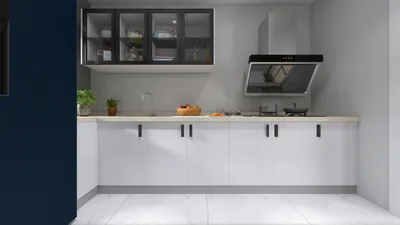


During a recent project, I measured a compact galley kitchen for a client who wanted custom cabinetry. However, we discovered midway through demolition that the layout couldn't accommodate the island they dreamed of. This led to tearing back work, delay in contractors' schedules, and a spike in labor costs. This experience highlighted how minor decisions significantly impact labor expenses and how to prevent such setbacks. In this article, I'll share five smart small kitchen ideas that reduce labor, maintain your sanity, and deliver an appealing design.
1. Opt for Modular Cabinets
Reasoning: Modular cabinets come in standardized sizes, allowing installers to complete fitting quickly with minimal on-site adjustments. Advantage: this reduces labor hours and avoids delays from custom fabrication. Consideration: the finish might lack highly customized details, but with clever finishes, this difference is barely noticeable.
save pin
2. Favor Open Shelving and Limit Upper Cabinets
Reasoning: Installing open shelves is faster than multiple upper cabinets and simplifies wall repairs. Advantage: lower costs for installation and finishing work, while creating a lighter room appearance. Consideration: open shelving requires more meticulous styling and frequent cleaning; durable wall finishes help minimize maintenance. Homestyler offers great tools to visualize such layouts easily.
save pin
3. Plan Appliance Sizes and Positions in Advance
Reasoning: Confirming appliance dimensions pre-demolition avoids costly rework and repeated calls to electricians or plumbers. Advantage: fewer site visits from tradespeople and reduced labor markups. Consideration: this approach limits last-minute appliance upgrades; however, many homeowners in 2026 leverage AI-powered design tools like Homestyler to validate appliance fit early on.
save pin
4. Select Ready-to-Install Countertops
Reasoning: Prefabricated countertop kits arrive nearly complete, minimizing on-site measuring and cutting. Advantage: substantial savings on fabricator and installation labor. Consideration: fewer edge style options exist, but modern laminate and engineered stones provide attractive, labor-saving alternatives.
save pin
5. Use a General Contractor Who Handles Multiple Trades
Reasoning: A contractor managing several trades reduces scheduling gaps and extra mobilization fees. Advantage: this cuts total labor costs and accelerates project completion. Consideration: it's essential to check references and license validity thoroughly to prevent scope creep.
Imagine your small kitchen finished in half the expected time because cabinetry fits seamlessly, appliances slide in without issues, and contractors aren't left waiting on each other. For many clients, that predictability is invaluable and reduces stress significantly.
Practical Tip: Begin by measuring and finalizing appliance specifications, then use a floor planning tool like Homestyler to test layouts before hiring tradespeople; this strategy saves money by preventing unforeseen labor costs.
save pin
Frequently Asked Questions
Q1: What is the typical labor cost per square foot for small kitchens?
A1: Labor costs vary widely, generally between $30 and $80 per square foot, influenced by demolition, electrical, plumbing, and finishing requirements.
Q2: Do prefab cabinets genuinely reduce labor expenses?
A2: Absolutely. Prefabricated cabinets minimize installation time and on-site modifications, which are major contributors to labor costs. They often represent the quickest way to reduce overall renovation hours.
Q3: Will installing fewer cabinets negatively impact resale value?
A3: Usually not. Thoughtful open shelving combined with efficient storage maintains both function and aesthetic appeal; modern buyers prioritize clever layouts over sheer cabinet quantity.
Q4: How much additional labor does countertop templating require?
A4: Traditional templating and onsite cutting can add an entire day of fabricator work plus installer time. Choosing ready-to-install slabs reduces these labor hours significantly.
Q5: Is it possible to do some installation work myself to save labor costs?
A5: Yes, tasks like painting or shelving can be done by homeowners, but any work involving gas, plumbing, or electrical wiring should be left to licensed professionals to avoid costly errors.
Q6: How can I estimate labor when reviewing contractor bids?
A6: Request detailed labor hour breakdowns, a trades schedule, and clarification on who manages coordination. Comparing total labor hours gives better insight than lump-sum pricing alone.
Q7: Are there geographic variations in labor costs?
A7: Yes, labor rates tend to be higher in urban areas or peak seasons. It’s wise to obtain at least three local bids and verify credentials using sources like NKBA or Houzz.
Q8: What simple choices most effectively reduce labor costs on a limited budget?
A8: Locking down appliance sizes early, selecting modular cabinetry, and using prefab countertops are the top three strategies to minimize onsite time and rework.
save pin


Homestyler offers an easy-to-use online design tool packed with extensive 3D renderings, inspiring interior projects, and helpful DIY video tutorials—making it simple and enjoyable to create your dream home design.
Design Now for FREE
































