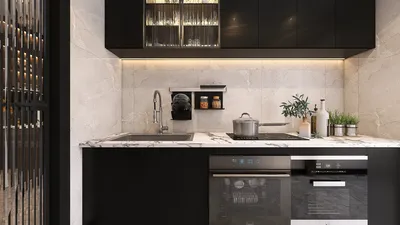


Once, a client suggested placing a full-sized piano in a galley kitchen because they believed it would enhance the ambiance. I agreed with the idea of creating a vibe, but declined the piano option, which taught me valuable lessons about trimming down to the essentials. This experience guided me towards mastering the art of tiny-room problem solving. The most effective small kitchen designs focus less on additional features and more on optimal arrangement. Consequently, I frequently begin my projects by implementing space-saving strategies before selecting finishes, often utilizing tools like Homestyler to visualize the outcome.
1. Utilize vertical storage solutions
Incorporating tall cabinets, slim pull-out pantries, and shelving that reaches the ceiling are popular choices on platforms like Pinterest for a good reason: they maximize unused vertical space. The benefit here is achieving significant storage increases without expanding your kitchen's footprint. However, be prepared to stylishly manage the occasional use of a step stool and thoughtfully plan hidden storage for seasonal items.
2. Enhance openness with glass and light
Using transparent cabinet fronts, open shelving, and light-colored backsplashes can create an illusion of greater room size. I enjoy the combination of closed cabinetry for concealing clutter and glass fronts for showcasing curated dishware; this balance gives a polished look, but requires maintenance to keep shelves tidy for guests.
3. Establish zones in compact areas
Pinterest often showcases zones that exude luxury, creating distinct areas for prepping, cooking, and cleaning even within a micro kitchen. I instruct my clients to design a workflow comprising 2-3 steps, positioning items where they are most used. Implementing such zoning strategies can make small spaces astonishingly functional, although custom inserts or compact dishwashers may be necessary to maintain the efficiency of each zone.
4. Choose multifunctional furniture and appliances
Opting for a drop-leaf table that serves as a prep counter or a range with built-in ventilation can be transformative. I once substituted a bulky island with a narrow rolling cart that acts as a prep area, dining space, and storage — a flexible, budget-friendly solution, though it requires vigilance to prevent it from becoming cluttered.
5. Simulate depth with finishes and 3D render previews
Creating contrast between darker lower cabinets and lighter upper ones, adding a reflective backsplash, or extending a countertop can create the illusion of a more spacious kitchen. Before starting construction, I generate quick 3D mockups, allowing clients to visualize proportions. The ability to preview materials and sightlines through realistic 3D rendering tools, such as those offered by Homestyler, helps save time and prevents expensive mistakes. It's not magic — it's efficient planning — and these mockups assist everyone in agreeing on scale.
FAQ
Q: What are some simple small kitchen ideas from Pinterest?
A: Begin with vertical storage solutions and a light color scheme. Both options are affordable yet impactful changes that are widely featured in Pinterest designs.
Q: How can I make a tiny kitchen appear larger?
A: Maintain a minimalistic cabinetry approach, use reflective surfaces like glossy backsplashes, and keep sightlines clear. Consistent flooring extending into neighboring areas also aids in creating a sense of expanded space.
Q: Are open shelves practical for small kitchens?
A: Yes, if they are well-curated. Open shelving introduces depth but places dishes on display, necessitating alternative storage solutions for daily clutter.
Q: What kitchen layout works best for narrow spaces?
A: Galley layouts are effective when you prioritize a clear workflow and slimline appliances. If you require additional prep space, consider a single-wall approach combined with a moveable cart.
Q: What budget should I allocate for refreshing a small kitchen?
A: Refreshing small kitchens can be surprisingly budget-friendly if you maintain the existing layout and plumbing. Custom solutions such as pull-out pantries or built-in appliances tend to be more costly.
Q: Can I recreate Pinterest styles without overspending?
A: Certainly — concentrate on elements like paint, hardware, lighting, and smart storage solutions. Many looks featured on Pinterest rely more on effective styling and lighting than on pricey materials.
Q: Where can I find trustworthy kitchen planning guidelines?
A: Consult the National Kitchen & Bath Association (NKBA) for comprehensive kitchen planning standards and clear dimensional guidelines (visit https://www.nkba.org for further information).
Q: Should I make use of 3D renderings prior to my renovation?
A: I always advise creating a quick 3D mockup — it can highlight mistakes, clarify scale, and boost your confidence in the project. Realistic previews can prevent expensive changes during renovation and allow you to experiment with finishes before making purchases.
Homestyler is your go-to online home design platform! With its user-friendly design tool, stunning 3D renderings, and a plethora of design projects and DIY video tutorials, you can easily transform your space into something extraordinary. Start creating your dream home today!
立即免费设计
































