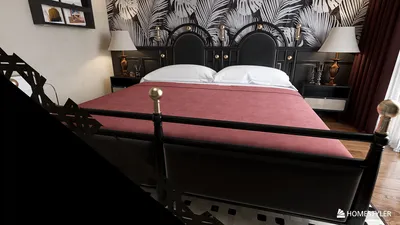


I still chuckle at the instance when a client requested an entire wardrobe to be concealed behind a faux bookcase. To demonstrate the feasibility, I utilized an interactive room mockup, showcasing the concept effectively. This fun experience highlighted how playful restrictions can transform into design opportunities. In compact spaces, prioritizing both visually and functionally becomes crucial, and with my expertise, I can assist you in achieving that balance.
1. Headboards with built-in storage that serve dual purposes
I am particularly fond of headboards that function as shelving units and charging stations; they not only look sophisticated but also help keep nighttime clutter out of sight. The benefit is immediate surface control and a striking focal point. However, you’ll need to be selective about items placed there to prevent a cluttered appearance. A budget-friendly tip is to incorporate baskets or removable trays in the compartments for an instant organizational boost. Plus, enhancing your space with tools like Homestyler can greatly benefit your design process.
2. Maximize vertical space: stacking, hanging, and displaying
In areas where floor space is limited, utilizing vertical solutions like open shelves, wall-mounted hooks, and tall dressers can add storage while creating a visually appealing layered design. Keep in mind that more frequent dusting may be required, and aesthetic refinement is necessary to avoid a crowded look. I once transformed a 2.5-meter wall into a stylish area featuring plants, books, and folded clothes, achieving a custom feel without incurring the custom costs.
3. Utilize under-bed storage systems coupled with a printable floor layout
Integrating drawers, rolling bins, or a slim cabinet under the bed can reclaim previously wasted space and provide a discreet place for off-season items. I find this approach works best when accompanied by a strategic planning step — sketching a printable floor layout ensures you know what fits before investing in larger items. Remember to consider airflow and accessibility by opting for organizers that have ventilation openings and easy-to-grab handles.
4. Wall-mounted desks and compact dressing areas
If you require a workspace or vanity, a fold-down desk is ideal as it can be tucked away during sleep hours and appears minimal when not in use. This solution is brilliant for multifunctional spaces, although it does entail a compromise on the size of the work surface. I installed one in a studio, allowing my client to enjoy both morning light and serene evenings.
5. Layered lighting combined with AI-generated layout ideas
Integrating various lighting types such as ambient, task, and accent creates the flexibility to transform the room's ambience at the flick of a switch; it’s the simplest method to make a space feel entirely different without rearranging furniture. For quicker layout decisions, I sometimes leverage AI-generated layout suggestions offered by platforms like Homestyler to explore options I might not have envisioned. The downside? You may need to adjust the AI’s recommendations to align with your style, but it's certainly a worthwhile starting point.
FAQ
Q1: What is the best way to organize a cluttered bedroom?
I typically start with three categories: keep, donate, and store. Clear out everything unnecessary, and then return only the items that serve a purpose; if something doesn’t earn its spot weekly, it’s time to rethink it.
Q2: What storage solutions work best for compact bedrooms?
Under-bed drawers, vertical shelving, and multifunctional furniture—like storage ottomans—are excellent choices. Always measure twice and select pieces that fit your daily habits and cleaning preferences.
Q3: Can proper lighting really alter the feel of order in a room?
Absolutely—effective layered lighting can delineate zones and minimize visual clutter by directing focus where it’s most needed. It’s an affordable way to improve both style and functionality, instantly enhancing the perception of order.
Q4: How frequently should I declutter my bedroom?
I suggest doing a quick edit every three months and a more thorough sort twice a year. Regular small clean-ups help avoid the overwhelm that leads to postponement.
Q5: What strategies can I use to arrange furniture so a bedroom appears larger?
Utilizing scaled drawings or basic outlines of furniture in a floor plan can help test layouts before purchase. Maintain clear pathways and opt for low-profile furniture to enhance sightlines.
Q6: Will decluttering actually enhance my sleeping quality?
Yes—establishing a more tranquil bedroom can lower stress and promote improved sleep. For practical steps on designing a sleep-friendly environment, consider resources from the National Sleep Foundation: https://www.sleepfoundation.org/bedroom-environment.
Q7: Any quick budget-friendly suggestions for decorating while organizing?
Simple updates like paint, coordinated storage baskets, and a new textile (like a throw or rug) can significantly impact the space. Focus on items that both serve a storage purpose and contribute to your overall style, maximizing your impact per dollar spent.
Q8: Is it wise to hire a professional for a tiny-bedroom redesign?
If time is short or you're feeling overwhelmed with options, a designer can offer layout proposals and sourcing ideas that save both money and time. However, with careful planning, effective tools, and a touch of patience, many people can achieve an impressive DIY transformation.
Homestyler is your go-to online home design platform, perfect for transforming your space! With its user-friendly design tool, stunning 3D renderings, inspiring design projects, and helpful video tutorials, you can effortlessly create and visualize your dream home. Start designing today!
Concevez maintenant gratuitement
































