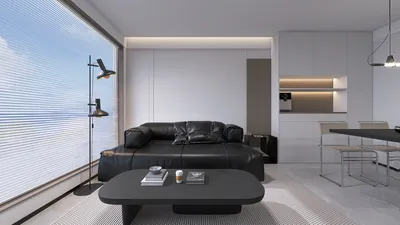


I once had a client who was adamant about their outfit mirroring the plant wall behind their desk — yes, they insisted on the same shade of fern green. This experience highlighted to me that the ambiance of a workspace and attire are indeed closely linked companions. In smaller offices, this relationship is even more pronounced: a compact desk and a single lamp suddenly make your clothing either harmonize beautifully or clash dramatically with the setting.
Compact spaces ignite immense creativity. Therefore, I'm excited to share 5 office apparel concepts I've devised from actual projects, complete with quick tips, advantages, and the tiny hurdles I've learned to navigate. The first direction I give to clients is to envision the room as an outfit — consider your office as a small layout you dress every morning, much like with Homestyler configurations.
1. Capsule Wardrobe for the Desk
I suggest a minimal capsule collection: 5 tops, 3 bottoms, 2 outer layers, and 2 pairs of shoes. This strategy alleviates decision fatigue and prevents me from cramming an entire wardrobe into a tiny nook when staging an apartment for remote work.
Advantages: conserves space and mitigates morning stress. Challenge: the process of initial selection can feel brutal — but I always retain a ‘mood’ piece for meetings that demand a splash of personality.
save pin
2. Color Coordination with Your Workspace
While designing small workspaces, I often select an accent color; reflect that in your outfit with subtle accessories — think a scarf, socks, or a lapel pin. Matching doesn’t have to imply a uniform, just aiming for a thread that links the room and the wearer together.
Benefits: makes photos and video calls look cohesive. Challenge: certain colors can show signs of wear quicker; opt for practical fabrics and use neutrals as your base.
save pin
3. Smart Layering for Temperature Variability
Many home offices my clients create also serve as living spaces, where changes in temperature from air conditioning or sunlight can entirely alter the environment. Lightweight layers like a fine knit, a blazer, or a draped shawl are my go-to options. They look great on video and hang nicely on a hook when not needed.
Pro tip: arrange outfits in front of a mirror in the same location where you work; seeing your clothes against your background simplifies choices and transforms the outfit into a mini visual floor mockup of your appearance versus your room.
save pin
4. Performance Fabrics for Extended Hours
I’m quite selective about fabric as clients often spend long hours seated. Breathable, wrinkle-resistant materials keep you looking polished during back-to-back meetings and minimize the need for an ironing board in a small office setting.
Advantages: greater comfort and fewer wardrobe disasters. Potential downside: technical fabrics can come across as less formal; balance them with tailored items.
save pin
5. Photo-Ready Outfit Zones
Designate a small 'photo-ready' corner in your office — a hook for jackets, a compact shelf for accessories, and good illumination. I've utilized this setup in apartments as a staging strategy; it streamlines the morning routine and maintains consistency for video presence.
This is also where I try quick outfit alterations and take reference images (yes, I snap pictures of looks for clients). If you're keen to visualize how a small setup will appear, I often leverage a space-saving render to map out arrangements before implementation. Budget tip: consider inexpensive hooks and a desk lamp; the effect feels upscale without breaking the bank.
save pin
FAQ
Q1: What fabrics are best for long workdays?
A: Cotton-linen blends or modern mixed fibers equipped with moisture-wicking properties are excellent choices. They balance comfort and formality for prolonged periods of sitting.
Q2: How do I prevent a small office from making my outfits appear cramped?
A: Maintain a single clean background element — like a plant or framed print — and coordinate one color in your outfit to that element to avoid competing with clutter.
Q3: Is it possible to look professional while remaining comfortable?
A: Definitely. Opt for tailored silhouettes in soft materials, and enhance your appearance with a structured accessory such as a blazer or refined shoes.
Q4: How many items should be included in a mini capsule wardrobe?
A: Aim for 10-12 versatile pieces that can mix and match. This offers variety without overcrowding a limited closet or hook.
Q5: Any suggestions for flattering video-call lighting for my outfit?
A: Utilize soft, diffused front lighting and steer clear of harsh overhead fluorescents. Natural light from a window behind a sheer curtain works best—position it in front of you to ensure balanced color and tone.
Q6: Are there specific style guidelines for small-office dress codes?
A: Assess the company culture and adopt a slightly more polished look than the norm. If coworkers are more casual, a smart-casual ensemble (neat top, tailored bottom) is generally a good fit.
Q7: How can I manage outfit storage in a compact workspace?
A: Implement vertical storage solutions: wall hooks, an over-the-door rack, or a slim rail for clothes. Seasonal items can be stored under the bed to free up visible space.
Q8: Do ergonomic guidelines influence clothing choices?
A: Yes. Opt for non-restrictive attire that allows full movement and avoid seams or belts that dig in when sitting for extensive periods; in accordance with OSHA’s ergonomic guidelines, comfort and mobility are essential to preventing strain.
save pin
Homestyler is your go-to online design platform, perfect for bringing your home ideas to life. With an intuitive design tool, stunning 3D renderings, a vast collection of design projects, and helpful DIY video tutorials, transforming your space has never been easier or more enjoyable!
Zaprojektuj teraz za darmo
































