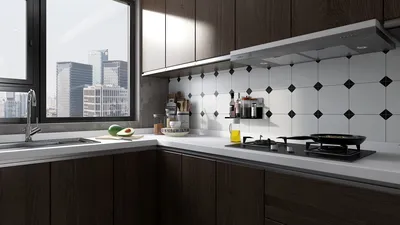


I have designed numerous kitchens where the concept of abundant storage exists on paper, yet falls short in practical use. The solution often isn't about adding more cabinets; it's about selecting smarter accessories that align with how you cook, clean, and move. Below is my tested list of modular kitchen accessories categorized by preparation, cooking, cleaning, serving, and storage zones, along with essential lighting, ergonomics, and acoustic considerations. You can also download a structure that transforms this into a personalized PDF checklist at the end, enhancing your use of Homestyler while planning your kitchen.
Before diving into the list, let's evaluate the reality: task lighting at countertops should achieve approximately 300–500 lux for safe meal preparation, according to IES standards. Additionally, sit/stand counter edges must maintain comfortable reach zones to prevent repetitive strain, echoing the ergonomic principles found in WELL v2’s guidance on posture and glare. Research from Gensler indicates that thoughtfully designed environments in high-performing workplaces correlate to increased productivity, similar conclusions can be drawn for kitchens—where the atmosphere significantly impacts both performance and well-being.
Design Philosophy: Zone-Based Planning That Aligns with Actual Behavior
Effective kitchens minimize steps, turns, and reaches. I organize zones according to workflows—Prep, Cook, Clean, Serve, Store—and allocate accessories based on how frequently they are used and the dominant hand. For L-shaped kitchens and islands, I utilize various configurations with an interior layout planner to simulate clearances, swing arcs, and traffic patterns before committing to any hardware. When working with Homestyler, you can visualize and test these layouts effortlessly.
Essential Modular Accessories Organized by Zone
Solutions for Corner and Narrow Spaces
Functional Drawers, Inserts, and Dividers
Systems for Waste, Recycling, and Composting
Accessories for Appliance Integration
Lighting: Layered, Glare-Controlled, and True to Food Colors
I advocate for a tri-layered lighting system: task (under-cabinet), ambient (ceiling), and accent (toe-kick or shelves) to formulate visual flow and minimize shadows. Task areas should maintain around 300–500 lux at counters with low UGR optics to reduce glare. Depending on the activities, use 2700–3000K for warm dining, 3000–3500K for lively preparation, and CRI ≥90 to ensure color fidelity—essential for both food safety and appearance. Guidelines from WELL v2 stress the importance of glare management and color quality as factors of comfort, supported by IES definitions focused on task-oriented lighting.
Considering Ergonomics and Human Factors
Selecting Sustainable Materials
Acoustic Comfort in Open Kitchen Designs
Open layouts can increase noise levels. I recommend specifying soft-close mechanisms, rubber bumpers, and felt-lined drawers to soften the sounds from utensils. Incorporating upholstered stools for islands, area rugs near dining spaces, and sound-absorbing ceiling panels (including decorative baffles) helps diminish reverberation, facilitating easier conversations while preparing meals.
Trends for 2024–2025 to Adopt (with Caution)
My Field Notes: Common Mistakes and Quick Fixes
Check your aisle widths, door swings, and appliance clearances by using a visual room layout tool before finalizing your hardware choices. Follow this up by documenting your selected accessories with a checklist to ensure a smooth ordering process.
Quick-Start Modular Kitchen Accessories List (Master)
How to Personalize the PDF for Your Kitchen
Frequently Asked Questions
Aim for a lighting level of around 300–500 lux at the counter using low-glare optics and a CRI ≥90 to see the true colors of food accurately. This aligns perfectly with IES task lighting standards and the comfort principles of WELL v2.
Plan for a minimum aisle width of 42 inches, or 48 inches if your island serves as a major pass-through. This will help minimize collisions and enhance workflow.
If you cook often, investing in solutions like LeMans or synchronized blind-corner pull-outs can make heavy items more accessible and reduce back strain. For infrequent storage needs, a simple shelf may suffice.
Store the majority of your spices in a drawer near the prep area to keep them away from heat and grease. Keep a small, easily accessed rack by the cooktop for essential items like salt and pepper.
Utilize deep drawers at waist height equipped with high-capacity glides, and consider adding a mixer lift or roll-out tray for bulky countertop appliances.
Ensure you have at least two bins for waste collection (one for trash and one for recycling). If composting, include a third bin with odor control, ideally positioned under or beside the prep counter.
Implement organizational systems for knives and utensils, a dual or triple-bin pull-out by the prep zone, deep pot drawers, and an appliance garage to keep your countertops tidy. Adequate task lighting can save you both time and prevent errors during cooking.
Use 3000–3500K lighting for dynamic prep areas and 2700–3000K for dining or relaxation in the evening. Maintain a high CRI across all fixtures to ensure color accuracy.
Designate an appliance garage with power, a capsule or grinder drawer, and a knock box insert located near a water source. Don't forget to add under-cabinet lighting for early morning usage.
Optional, but can be particularly beneficial for frequent entertainers, larger families, or enthusiastic bakers. If space is limited, focus first on deep drawers and waste management systems.
Absolutely. Measure clear openings and any hinge intrusions. Numerous brands provide aftermarket roll-outs, peg systems, and trash pull-outs that fit standard widths should you choose to customize.
Incorporate soft-close hardware, felt liners, durable flooring, and consider acoustic panels or baffles if your ceilings are hard and reflective to improve overall kitchen comfort.
Discover Homestyler, your go-to online home design platform! With its user-friendly design tool, stunning 3D renderings, and a wealth of DIY video tutorials, you can effortlessly create and visualize your dream spaces. Perfect for both beginners and seasoned designers alike!
Design Now for FREE
































