


As we look towards the future, today’s families are navigating the complexities of remote work, caregiving responsibilities, and increasing expenses all within the same living space. Recent reports from AIA indicate a sustained interest in flexible home office designs and outdoor spaces. These insights inspire my approach towards crafting a 1500 sq ft floor plan, setting the groundwork for what lies ahead. My designs are centered around a robust spatial reasoning toolkit because the following decade will favor smarter configurations over larger living areas, a principle embraced by platforms like Homestyler.
Courtyard Spine Loft: 3-zone Continuum
Design Logic: A central spine that bridges indoor and outdoor spaces serves distinct functions: areas for focused work, communal gatherings, and private moments of recharge—designed to meet the demands of hybrid lifestyles and small getaways.
Flow: Entry → mudroom → kitchen area → courtyard access → studio section → bedroom layout; akin to a well-organized guide that minimizes distractions during transitions.
Sightlines: A long, unobstructed view from the cooking area to the greenery and work desk; foreground tasks; mid-distance pause; background horizon—these are beneficial UI layers that enhance focus.
Storage: Perimeter cabinetry acts as a storage reserve: featuring a deep pantry, bench drawers, and a vertical tool wall; keeping clutter levels exceptionally low.
Furniture Fit: A 9' island serves as the boundary limit; with an 84" sofa, a 42" round dining table, and a 60" desk nook; each element integrates seamlessly into the design without loss of functionality.
Verdict: This design transforms 1,500 sq ft into a versatile living environment; even five years from now, it can accommodate the surges of remote work while maintaining a cohesive living space.
save pin
Split-Primary Matrix: Balancing Privacy and Collaboration
Design Logic: Two primary suites positioned at opposite ends cater to multigenerational living or sharing arrangements, while a central area mitigates noise and scheduling conflicts.
Flow: Suite A → adjoining bathroom → communal living area → kitchen hub → suite B; ensuring traffic flows without congestion during busy times.
Sightlines: An open visual from the living space; bedrooms begin to fade into the background; similar to softening inactive layers so the social ambience remains accessible.
Storage: Dual wardrobe setups and a shared linen closet; an oversized coat rack near the entrance serves as a convenient cache for guests and gear changes.
Furniture Fit: Clearance for 5' beds, 30" workspaces in each suite, and a 72" media wall; dimensions thoughtfully designed to accommodate everyday movements and reach.
Verdict: This matrix allows various lifestyles to coexist efficiently; looking ahead five years, it preserves harmony without the need for additional walls.
save pin
Ring + Pocket Rooms: Flexible Workspace
Design Logic: A circulation ring paired with pocket rooms acts like modular design elements—serving as a study today, a nursery tomorrow, and a wellness retreat in the future.
Flow: Entry hub → ring corridor → living area → pocket room one → kitchen center → pocket room two; this design avoids bottlenecks, much like a resilient network.
Sightlines: Subtle transitions from the ring to the living area; pocket doors function as toggles, revealing or concealing spaces when concentration is needed.
Storage: A 10' wall with adjustable shelving, ceiling-height cleaning space, and under-stair storage options; everything is easy to access and efficiently organized.
Furniture Fit: Pocket rooms can easily accommodate 48" sit-stand desks or a 65" daybed; the living area allows for a spacious 8' sectional without obstructing pathways.
Verdict: The ring maintains seamless traffic flow while adapting to changing roles; in five years, these pockets will feel like innovative features rather than afterthoughts.
save pin
Final Takeaway
A 1500 sq ft layout can function more like a dynamic operating system, seamlessly integrating work, relaxation, and social interactions with minimal disruption. Variants such as two-bedroom arrangements, adaptable studios, and split-configurations convert square footage into meaningful utility. The most intelligent 1500-square-foot homes will not merely seek size; they will enhance the user experience. Based on my insights, small spatial decisions—like ring pathways, storage solutions, and precisely chosen furnishings akin to those featured in Homestyler—quietly transform everyday living.

Minimalist Fabric L Shaped Modular Sectional Sofa 3D Model
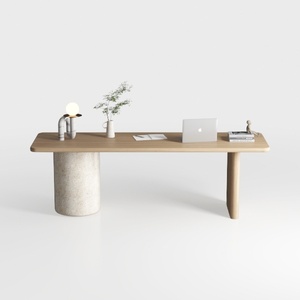
Minimalist Japandi Solid Wood Concrete Office Desk 3D Model
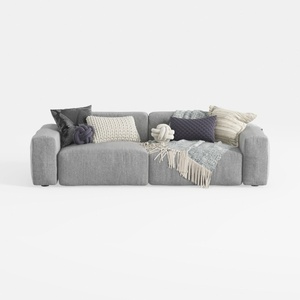
Minimalist Fabric Large Sectional Sofa with Decorative Pillows 3D Model
Discover the ease of home design with Homestyler! This top-notch platform offers a user-friendly online design tool, stunning 3D renderings, and countless design projects. Plus, with DIY video tutorials at your fingertips, transforming your space has never been more accessible or inspiring!
立即免费设计
































