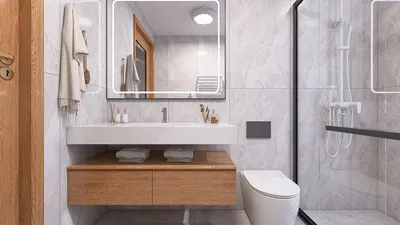


Once, I installed a chandelier that was slightly oversized for a breakfast nook—a situation my client called "dramatic," while I regarded it as "a teaching moment." In compact spaces, decisions must be made; however, these environments also allow for bold and intelligent lighting choices. In this article, I’ll outline five consistent lighting strategies that can enhance small rooms, making them feel layered, more spacious, and cozy.
1. Layer ambient, task, and accent light
Every small-space venture I undertake begins with the concept of layering: a gentle ambient light source, focused task lights, and a few accent lights to introduce depth. This strategy offers flexibility—you can illuminate the entire room or create a snug corner without the need for extensive rewiring. While it requires a bit more planning and a handful of switches, the added control is typically worth the effort, especially when using tools like Homestyler to visualize the layout.
save pin
2. Utilize wall-mounted fixtures to optimize floor space
During a renovation of a one-bedroom apartment, I replaced a floor lamp with a couple of adjustable wall sconces, which quickly opened up space and defined the seating area. Wall-mounted fixtures maintain clean sightlines, and modern swing-arm sconces are surprisingly versatile. Though installation can be slightly tricky if studs don’t align, battery-operated or plug-in versions serve as excellent alternatives.
save pin
3. Enhance light with mirrors and shiny finishes
Strategically placed mirrors or a glossy backsplash can amplify light without increasing electricity use. I once had a client hesitant about mirrors, but after positioning one directly opposite a window, their compact dining nook felt significantly brighter. However, too many reflective materials can create a sterile atmosphere, so it’s crucial to balance them with softer textiles.
save pin
4. Opt for linear under-cabinet and toe-kick LEDs
Under-cabinet lighting in a small kitchen does more than simply light the countertop—it lends an upscale, organized feel to the entire space. I frequently incorporate toe-kick LEDs to give cabinets a floating appearance. These options are cost-effective and energy-efficient, although suitable diffusers are important to prevent hotspots or visible LED dots.
save pin
5. Select fixtures that also serve as decorative pieces
In spaces where every square foot counts, lighting fixtures should serve dual purposes: providing illumination while acting as decorative elements. I’m particularly fond of geometric pendants and sculptural sconces that resemble artistic accessories for a room. However, be cautious not to choose items that might overpower the space; consider scale and use tape on the ceiling for a test run before making a final decision.
save pin
Practical advice and budgeting tips
For those working within tight budgets, adjusting bulb types and clever fixture placements can yield significant benefits. Individuals with mid-range budgets might consider adding dimmer switches and layered lighting systems for enhanced atmosphere. High-end options include custom lighting and integrated plans. I suggest documenting the locations of switches early in the process to avoid confusion for your electrician later on.
save pin
Tip 1:
If you’re interested in exploring layouts and visualizing these lighting strategies, consider using a 3D floor planner like Homestyler to sketch out fixture positions and sightlines. When we visualize the placement upfront, clients grasp the impact more quickly, helping us steer clear of accidental oversized chandelier mishaps.
save pin
FAQ
Q1: What lighting color temperature is best for small spaces?
A1: Warm white (2700K–3000K) usually fosters a cozy atmosphere in smaller areas, while neutral white (3000K–3500K) keeps the look sharp; mixing both can work wonders for different zones.
Q2: Can LED strips be utilized outdoors?
A2: Opt for IP-rated outdoor LED strips for exterior use; indoor-rated versions will not withstand moisture exposure.
Q3: How many lumens are necessary for a small living room?
A3: Aim for approximately 1,500–3,000 lumens in total, spread across ambient and task lighting to maintain flexibility.
Q4: Are smart bulbs beneficial in small apartments?
A4: Absolutely — they minimize the necessity for multiple switches and allow the creation of scenes that shift ambiance with ease.
Q5: How can I reduce glare from LEDs?
A5: Employ diffusers, use indirect lighting, or position fixtures so that bulbs aren’t directly visible to minimize glare.
Q6: Can lighting strategies make low ceilings appear higher?
A6: Definitely — techniques like wall washers and uplighting help draw the eye upward. I often utilize narrow-groove coves to create a visual lift in a room.
Q7: Where can I find reliable planning examples for fixture placement?
A7: Trusted planning tools like Homestyler's kitchen layout planner feature practical case studies and visualization aids to assist in determining optimal fixture locations.
Q8: Are there established standards for residential lighting levels?
A8: Yes — the Illuminating Engineering Society (IES) provides guidelines and recommended levels for residential lighting; reviewing IES documents will give you precise targets.
save pin
Discover your dream home with Homestyler! This user-friendly online design platform offers an intuitive tool for creating stunning interiors. Explore vast 3D renderings, inspiring design projects, and helpful DIY video tutorials, making home design easy and enjoyable for everyone. Start your journey today!
تصميم الآن مجانا
































