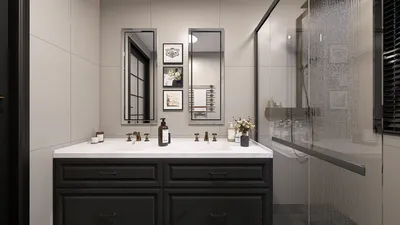


I once had a visitor request a chandelier for a compact 12 sqm hotel room — I nearly agreed until I imagined the ensuing chaos with luggage. This incident highlighted how effective lighting can enhance small hotel rooms without overwhelming them. Small spaces ignite great creativity, and throughout my experience, I have discovered effective methods that mix elegance, comfort, and practicality.
1. Layered Ambient and Task Lighting
I consistently combine warm ambient ceiling lights with versatile task lamps near the bed and workspace. The benefit is clear: guests enjoy a warm overall illumination alongside focused lighting for reading or working. The difficulty lies in retrofitting wiring and switch placement, but options like surface-mounted tracks or smart bulbs streamline the process.
save pin
2. Integrated Headboard Lighting
Incorporating LED strips or slim reading lights into the headboard provides a contemporary aesthetic and conserves space in hotel rooms. This design is particularly forgiving for compact rooms and diminishes the need for bulky bedside tables. However, meticulous design is necessary to prevent glare from the LEDs; utilizing dimmers can significantly help.
save pin
3. Recessed Ceiling Fixtures with Accent Wall Illumination
Recessed downlights maintain a clean ceiling appearance, while wall-wash LEDs illuminate artwork or textured wall features. This setup makes guests perceive the room as larger and more luxurious. The trade-off involves initial ceiling modifications and coordination with HVAC systems, yet the upscale ambiance it creates is worth the effort for mid-range hotels.
save pin
4. Multipurpose Sconces and Foldable Fixtures
Sconces that function as both bedside reading lights and room uplighters are invaluable in tight layouts — they reduce clutter while enhancing functionality. I installed swing-arm sconces that quickly became a guest favorite. While these can be more expensive than standard lamps, it’s essential to consider cleaning and upkeep for rooms with high turnover.
save pin
5. Smart Lighting Scenes and Energy Controls
Scene-based smart controls allow guests to select preferred moods (such as sleep, work, or relaxation) while also conserving energy through occupancy sensors. My team observed significant utility savings for clients after transitioning to sensor-enabled systems. The minor drawbacks include initial setup and educating guests, but intuitive icons on switches can clear up any confusion.
save pin
Tip 1:
When planning layouts for compact rooms, I often utilize a 3D floor planning tool like Homestyler to visualize the placement of fixtures before making any installations. This practice helps eliminate costly errors and facilitates clearer communication with contractors.
save pin
FAQ
Q1: What are the ideal color temperatures for hotel room lighting?
A1: Warm white (2700K–3000K) is generally the best choice for guest comfort, while temperatures between 3000K–3500K can be suitable for work areas. The International WELL Building Standard addresses lighting and circadian comfort to enhance guest wellbeing.
Q2: Are LED fixtures appropriate for hotel rooms?
A2: Certainly, LEDs are energy-efficient, boast long lifespans, and offer versatile color temperatures, making them perfect for hospitality environments.
Q3: How can I avoid glare from headboard LEDs?
A3: Employ diffused profiles, indirect placement, and dimmers to manage light intensity and minimize harsh glare.
Q4: Should hotels implement smart lighting systems?
A4: Smart lighting enhances guest experience and facilitates effective energy management, although it necessitates some initial investment and staff training.
Q5: How frequently should hotel light fixtures receive maintenance?
A5: Hotels with high turnover should inspect their fixtures monthly and perform thorough cleaning every quarter to retain aesthetic appeal and functionality.
Q6: Which fixtures offer the greatest energy savings in hotel rooms?
A6: LED fixtures paired with occupancy sensors and dimming controls provide significant energy conservation opportunities.
Q7: Can lighting effects create the illusion of a larger room?
A7: Definitely — consistent, indirect ambient lighting and wall-washing techniques can foster a sense of space and depth.
Q8: Where can I virtually experiment with room layouts and lighting?
A8: You can design and simulate hotel room layouts using a free tool like Homestyler to visualize fixture placement and lighting effects.
save pin

Homestyler is your go-to online home design platform! With its user-friendly design tool, stunning 3D renderings, and a wealth of DIY video tutorials, you can effortlessly create and visualize your dream spaces. Transform your ideas into reality with ease and inspiration!
Zaprojektuj teraz za darmo
































