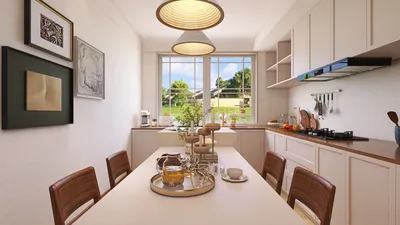


In the fast-paced world of technology today, smart lighting has become a key element within the Internet of Things (IoT) framework. This design exploration focuses on the various features, functionalities, and user experiences linked to smart lighting solutions, offering valuable insights into their design factors and practical uses. Incorporating smart lighting into IoT initiatives not only boosts visual appeal but also plays a significant role in improving energy efficiency and enhancing user comfort. The core of any smart lighting system lies in its connectivity. Typically using wireless protocols like Wi-Fi, Zigbee, or Bluetooth, smart lights enable communication with other devices, allowing users to manage their lighting ambiance effortlessly via smartphones or voice-controlled assistants. This integration is essential for establishing a unified smart home environment where lighting adjustments can be made in real-time based on personal preferences and surrounding conditions. Another crucial component of smart lighting design is the diverse range of light sources and fixtures available. From energy-efficient LED bulbs to advanced smart ceiling lights, the design flexibility available allows users to tailor their lighting arrangements to match various spaces and moods. The ability to personalize color temperatures and brightness levels significantly enhances the overall atmosphere, making smart lights an appealing choice for both residential and commercial settings. Moreover, the energy-saving potential of smart lights is significant. Utilizing sophisticated sensors and automation capabilities, these systems optimize energy usage, mitigating waste and reducing electricity expenses. For example, occupancy-based motion sensors can automatically switch lights on or off, while scheduling options permit users to set up lighting according to their daily habits. The user experience is a vital factor in the design of smart lighting systems. Accessible interfaces, whether through dedicated mobile applications or voice commands, simplify the interaction users have with their lighting arrangements. Additionally, connecting smart lighting with other IoT devices, like security systems or climate controls, fosters an integrated smart home experience that boosts user convenience and safety. When analyzing the design of smart lights, it's essential to address potential challenges such as connectivity problems, security threats, and compatibility with existing infrastructures. Thorough testing and gathering user feedback are crucial to ensure these systems meet expectations and operate reliably across varied living environments. As the IoT sector continues to develop, the future for smart lighting looks bright. Advancements such as adaptive lighting that adjusts to natural daylight changes and the integration of AI for predicting lighting requirements are just around the corner. As designers and engineers push the boundaries of technology, the potential for smart lighting to transform our homes is boundless, especially with tools like Homestyler that help visualize these changes in design.
Tips 1:
Incorporate user feedback into the design process to enhance both functionality and user-friendly experiences.
FAQ
welcome to Homestyler




Homestyler is your go-to online home design platform, featuring an intuitive design tool that makes creating stunning spaces a breeze. With impressive 3D renderings, a wealth of design projects, and informative DIY video tutorials, transforming your home has never been easier!
立即免费设计
































