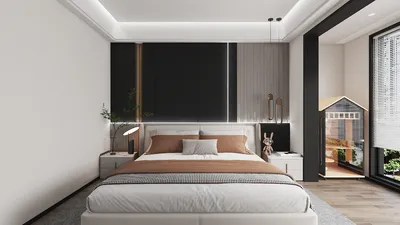


I create lighting designs that enhance the functionality of a room, prioritizing human comfort and mood creation. Smart lighting transcends merely being app-controlled; it encompasses a carefully calibrated combination of layers, color temperature, and glare management that adjusts throughout the day and for various activities. In accordance with WELL v2 guidelines, it emphasizes circadian alignment and visual comfort as essential elements for wellbeing. The Illuminating Engineering Society (IES) suggests achieving a task illuminance level of 300–500 lux for typical residential workspaces to alleviate eye strain—standards that I consistently rely on in all my plans.
The influence of lighting on performance and mood can be quantified in numerous studies. Research from Steelcase highlights a link between workplace contentment and environmental control—individuals capable of adjusting their lighting report enhanced engagement. Likewise, Herman Miller's studies associate adjustable task lighting with minimized visual fatigue during screen-based tasks. These insights support a multi-layered lighting strategy: ambient lighting for overall visibility, task lighting for focus, and accent lighting to provide depth and emotional resonance. When designing living spaces, I aim for ambient lighting levels of 150–300 lux, task areas around 300–500 lux, and focal accents that create contrast without causing glare. To visualize room layouts quickly, I utilize a room layout tool, enabling me to simulate light distribution before finalizing fixture choices, such as those available in Homestyler.
Determine the Purpose: What Your Background Lighting Should Achieve
Background lighting must accurately portray skin tones during video calls, enable legibility of art and textures, and provide a soothing visual rhythm. Consider layering: overhead ambient lighting for foundational visibility, mid-level task lighting near seating and work areas, and lower-level accents that add dimension to edges and surfaces. I avoid extreme uniformity—excessively flat lighting inhibits depth and can render rooms feeling sterile. A contrast ratio of 3:1 between focal points and ambient lighting serves as an excellent guideline for effective emphasis while avoiding reflective glare.
Understanding Color Temperature and Its Effect on Mood
For relaxation in living and bedroom spaces, I recommend using warm-white lighting (2700–3000K), neutral-white (3500–4000K) for kitchens and multi-functional rooms, and cooler tones (4000–5000K) in areas requiring high contrast for intensive tasks. According to Verywell Mind’s color psychology, warmer colors promote comfort, while cooler tones heighten alertness—light temperature aligns with these behavioral tendencies. When clients request a versatile fixture, I recommend tunable-white LEDs with a high color rendering index (CRI 90+) to accurately represent wood grains, textiles, and skin tones as lighting shifts.
Managing Glare for Visual Comfort
Glare can quickly detract from an aesthetically pleasing backdrop. I prefer recessed downlights or deep baffles and opt for fixtures with a Unified Glare Rating (UGR) below 19 in work areas. Position light sources outside the direct line of sight of the camera to prevent hotspots during video calls, and apply matte finishes on surrounding surfaces to mitigate specular reflections. For screen use, keeping task lighting offset at 30–45 degrees is ideal, while avoiding bright lights directly behind the display.
Layering Strategy Based on Room Type
Living Room: Begin with dimmable ambient lighting (such as cove or indirect sconces), integrate task lamps adjacent to reading spots, and highlight artwork or textures with picture lights or wall washers. Target a warm light temperature between 2700–3000K, reducing brightness to 10% for calming evening transitions.
Home Office: Combine a glare-free task lamp (CRI 90+, 3500–4000K) with soft ambient lighting. Ensure that work surfaces receive 300–500 lux and establish a balanced backlight to avoid silhouetting during video calls. When planning desk locations near windows, employing an interior layout planner can effectively test the overlap of natural daylight and artificial light: a Homestyler layout planner is ideal for this task.
Kitchen: Combine under-cabinet task lighting (4000K) with ceiling ambient light. Maintain a minimum of 500 lux at countertops for food preparation, while adding pendant lights over an island with separate dimmable controls for when entertaining guests.
Bedroom: Focus on low-glare and indirect lighting sources. Bedside lamps featuring warm-white LEDs and local controls can reduce disruption to melatonin production at night. Keep any pathway lighting limited to under 5 lux to support circadian rhythms.
Acoustics, Materials, and Light Interaction
Hard surfaces reflect light and sound, while softer textures absorb both. I recommend pairing warm lighting with tactile materials such as bouclé, wool, and matte woods to lower perceived brightness while maintaining comfort. Acoustic panels with fabric-wrapped finishes also act as diffuse reflectors to soften shadows. In smaller areas, semi-matte paints with a Light Reflectance Value (LRV) of 50–70 balance brightness without the harshness of high-gloss finishes.
Smart Controls That Blend Seamlessly
Lighting scenes should cater to daily rhythms: Focus (cool task lighting at a higher output), Social (warmer ambient lights with subtle accents), and Wind-Down (lower-output warm layers). Manual controls should be straightforward—physical dimmers should be placed near entry points, with app controls as a secondary option. Motion sensors are practical for hallways and closets, but can be cumbersome in living spaces if overly sensitive; I prefer setting delays of 2–5 minutes to curtail flickering.
Utilizing Daylight as the Primary Layer
Natural daylight minimizes energy consumption and enhances mood. I suggest positioning seating to harness side lighting rather than direct frontal sunlight, complemented by sheer curtains to manage glare throughout the day. If the view is captivating, enhance it with low-level ambient lighting to allow for comfortable eye adaptation. In rooms with expansive windows, I favor daylight-responsive dimming so that electric light automatically adjusts output when sunlight is plentiful.
Creating Effective Backgrounds for Video Calls
When it comes to face lighting, sources should be diffused and positioned at a 30–45 degree angle relative to the eye line, slightly above head height. Avoid harsh backlighting that can cause the camera to underexpose your facial features. Adding a soft accent to the background—such as a bookshelf or relevant artworks—creates a sense of depth. Consistency in color temperature across lighting sources is vital to prevent unnatural skin tones; setting the camera's white balance or using an automatic adjustment that corresponds to the dominant light is essential.
Selecting Fixtures with Sustainability in Mind
Opt for LED fixtures with replaceable drivers and standardized optics for easy maintenance. Components tested under LM-80 ensure longer lumen maintenance, preventing uneven fading of your lighting setup. Material choice is crucial: use powder-coated aluminum for thermal management, FSC-certified wood for accents, and fabric diffusers that meet low-VOC standards. While smart bulbs are suitable for temporary arrangements, integrated luminaires with high-quality dimming capabilities offer more consistent illumination for permanent settings.
Understanding Common Ratios and Spacing
For downlights, maintain a spacing of 1.0–1.5 times the mounting height from the work surface for even ambient light distribution. A 3:1 focal-to-ambient ratio enhances comfort through effective emphasis. When washing walls with light, direct fixtures at an angle of 30 degrees to avoid patterns, and ensure consistent beam angles to achieve uniform brightness.
Testing Your Design Before Making Purchases
I create mock-ups using temporary lighting solutions and dimmers to gauge color temperature and beam spread. Using smartphone lux meters provides quick insights; if a reading falls below 200 lux in a specific area, you'll notice visual strain in less than half an hour. I encourage iteration before committing to fixtures. If the room's layout is changing, a simulation tool like Homestyler enhances the modeling of fixture positions relative to furniture.
Resources for Standards and Wellness
For comprehensive benchmarks and wellbeing criteria, refer to the WELL v2 lighting features at wellcertified.com and the IES recommendations available at ies.org/standards. I keep these resources close at hand when fine-tuning layers for comfort, precision, and rhythm.
Frequently Asked Questions
Aim for ambient lighting levels of 150–300 lux, with accent points not exceeding three times the brightness to ensure comfortable contrast and minimize glare.
Neutral-white lighting (3500–4000K) accurately renders skin tones and promotes alertness. Pair it with a high CRI (90+) to maintain vibrant color accuracy.
To limit glare, use fixtures with deep baffles or recessed designs, ensure lights are positioned outside the camera's perspective, and select matte finishes for nearby surfaces to reduce reflections. Aim for a UGR below 19 in work settings.
While smart bulbs are convenient for rental properties or quick scene adjustments, a strategic layered approach—ambient, task, and accent lighting—provides superior visual comfort and adaptability compared to relying on a single source.
Use an adjustable task lamp (CRI 90+, 3500–4000K) set at a 30–45 degree angle paired with soft ambient lighting, ensuring a work surface brightness of 300–500 lux to minimize eye fatigue.
Utilize wall washers or picture lights with narrow beams directed at a 30-degree angle, maintaining a 3:1 contrast ratio between accent and ambient illumination for optimal viewing comfort.
Absolutely. Warm-white lighting (2700–3000K) encourages relaxation and supports circadian rhythms. Keep nighttime path lighting below 5 lux and avoid direct glare for optimal comfort.
Indeed, implementing daylight-responsive dimming allows electric lighting to adjust output automatically, conserving energy and ensuring comfort as natural light levels fluctuate throughout the day.
A CRI of 90+ guarantees accurate color representation for skin tones, textures, and wooden finishes. A lower CRI may render spaces lifeless or muted.
Define separate lighting circuits and dimmers for different zones, adjust color temperature according to the function, and keep beam angles consistent to achieve uniform brightness across the room.
Homestyler is the ultimate online home design platform for anyone looking to create their dream space. With an intuitive design tool, stunning 3D renderings, and a wealth of design projects and DIY video tutorials, transforming your home has never been easier or more enjoyable!
تصميم الآن مجانا
































