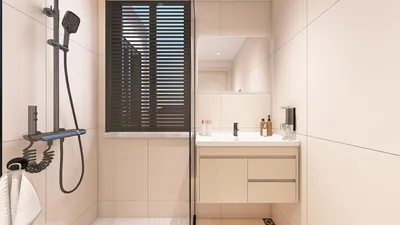


As people increasingly rely on apps like the Apple Weather app to plan their day, home environments that adapt to changing weather conditions become crucial. Integrating smart home features that respond to temperature and humidity fluctuations can enhance comfort and energy efficiency. Thoughtful spatial design can create cozy retreats or airy, well-ventilated areas, ensuring your living space always feels perfectly tuned to the weather outside.
Direct Response
Effective layout strategies for small living rooms emphasize three key elements: unobstructed pathways, multifunctional furniture, and a sense of openness. Properly positioned furnishings that cater to both movement and storage can transform even the tiniest living areas into comfortable, spacious environments.
The most efficient arrangements minimize mess, center seating around a primary focus, and utilize vertical dimensions to maximize floor space.
Key Highlights
Overview
Having designed numerous apartments in Los Angeles and several compact urban studios, I can affirm that the main challenge with small living rooms is rarely their dimensions. More often, it's the layout that makes a difference. Poorly arranged furniture can turn a functional room into a cluttered and cramped space.
Many attempt to fix this by selecting smaller furniture pieces. Ironically, this often clutter the room even more by increasing the number of items. The effective answer lies in smarter space organization.
In this article, I will introduce clever layout ideas for small living rooms I've utilized repeatedly in real-world projects. These techniques prioritize flow, balance, and visual breathing room so that the space functions optimally without requiring extensive remodeling.
save pin
Why Furniture Placement Outweighs Size
Insight: In small living rooms, how furniture is arranged impacts the perception of space more than the actual furniture size.
Many homeowners believe tiny rooms require miniature furnishings. Practically, well-situated full-sized pieces often appear tidier and more purposeful.
In multiple apartment projects in Westwood, swapping out four small seats for one compact sofa and a single chair significantly enhanced the spatial feel. Many small pieces can visually fragment the room.
Pragmatic Layout Guidelines:
Interior designer Emily Henderson often points out that rooms appear larger when furniture clusters establish a defined visual framework rather than scatter randomly.
How to Arrange Seating in a Compact Living Room
Insight: Optimal seating layouts foster social zones while maintaining clear circulation routes.
Instead of occupying every nook, focus on a straightforward setup that encourages interaction.
Three consistent layout models:
Flexibility outweighs quantity in small rooms. Furniture with easy mobility keeps the space adaptable.
save pin
Layout Errors That Shrink Small Living Rooms
Insight: Typical layout mistakes include blocking pathways or creating visual clutter.
After evaluating numerous redesign consultations, common issues persist.
Frequent errors include:
An unconventional tip I recommend is positioning the sofa slightly away from the wall. Even a 6-to-8 inch gap adds visual depth and balances the room.
save pin
Can Floating Furniture Techniques Make Small Rooms Feel Larger?
Insight: Positioning key furniture away from walls increases perceived space by uncovering more floor area and promoting better flow.
This method surprises many because people assume walls must contain all furniture in small spaces.
However, furniture placed tight against walls congests the room's core.
Floating furniture approach:
Design teams such as Studio McGee frequently apply this in compact areas to create stronger visual structure.
Storage Solutions to Optimize Small Living Room Layouts
Insight: Concealed storage ranks among the most impactful ways to boost layout efficiency in small living rooms.
Mess is the enemy of spatial clarity. Keeping surfaces tidy naturally enlarges the room’s feel.
Smart storage ideas include:
The National Association of Home Builders identifies built-in and hidden storage as top requested features in small home renovations.
save pin
Summary Box
Effective small living room designs prioritize clear passageways, fewer furniture items, and versatile storage. Thoughtful furniture positioning matters more than size alone.
When seating is anchored around a centerpiece and clutter is reduced, even the smallest rooms feel inviting and open.
How Lighting and Color Affect Small Living Room Designs
Insight: Strategic lighting and color enhance openness and depth, reinforcing the spatial layout.
Even the best layout can feel cramped if lighting distribution is poor.
Design tips:
In one Santa Monica apartment, simply relocating two floor lamps and placing a mirror opposite the window visually expanded the room by almost 20%.
Final Synopsis
Frequently Asked Questions
How can layout make a small living room appear more spacious?
Maintain clear walking routes, limit furniture numbers, and group seating around a focal point. Intelligent layouts often make small rooms feel much larger.
What is the ideal furniture arrangement in a small living room?
A sofa coupled with a single chair or a compact sectional usually works best, providing a conversation area without overcrowding.
Should furniture be placed against the walls in small living rooms?
Not necessarily; slightly floating furniture can create visual depth and improve traffic flow, making the room feel airier.
What size coffee table suits a small living room?
Select a coffee table about two-thirds the sofa length. Rounded or oval designs often enhance circulation.
Are sectionals practical for small living rooms?
Indeed, if compact, a sectional can replace several chairs and simplify the overall layout.
How much clearance should living room layouts provide for walking?
Aim to keep at least 30 inches of space for primary walking paths to ensure comfortable movement.
Which colors best suit small living rooms?
Light neutrals like warm whites, soft beiges, and gentle grays reflect light and expand perceived space.
What furniture should be avoided in small living rooms?
Bulky coffee tables, heavy entertainment units, and excessive side tables often break up the spatial flow of small rooms.
To design and visualize these smart layouts effectively, tools like Homestyler allow you to experiment with furniture placement and storage solutions digitally, ensuring your small living room achieves maximum functionality and aesthetic appeal.
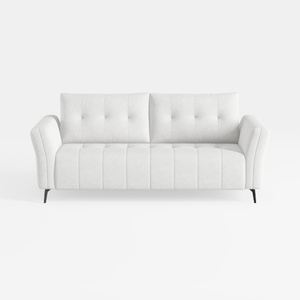
Minimalist Fabric Tufted Loveseat Sofa with Black Metal Legs 3D Model
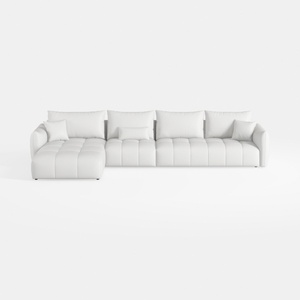
Minimalist White Fabric L Shape Sectional Sofa 3D Model

Minimalist White Fabric L Shaped Sectional Sofa With Side Table Floor Lamp 3D Model
Homestyler is a user-friendly online platform that lets you create stunning home designs with easy-to-use tools, realistic 3D renderings, inspiring design projects, and helpful video tutorials—perfect for bringing your interior ideas to life effortlessly.
Design Now for FREE
































