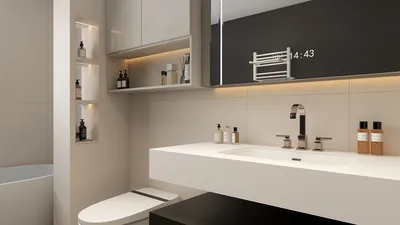


I approach the kitchen sink like a mini workspace: efficient, precise, and organized. With proper planning, tasks such as dishwashing, meal prep, and cleaning can transition seamlessly from one to the next. A recent study by Steelcase pointed out that disruptions in daily habits negatively affect overall well-being; this principle also applies to home environments. Furthermore, adequate lighting is essential in this area: task lighting at the sink should meet the illuminance guidelines with IES suggesting a range of 300–500 lux, which serves as a useful target for safe food preparation and effective cleaning.
Ergonomics can enhance everyday kitchen activities. Maintaining a neutral wrist position during tasks helps reduce strain, and both height and reach are critical factors. The WELL v2 framework provides guidelines for posture support, quality of lighting, and water safety in kitchens; applying these principles can refine your checklist, from minimizing glare to ensuring proper water filtration. For detailed information, consult the WELL v2 features library. Additionally, according to color psychology research from Verywell Mind, hues like blue and green can evoke feelings of cleanliness and tranquility—ideal for drawer interiors or accessories that should maintain a subtle appearance.
Here’s my tested toolkit for an efficient sink area, considering ergonomics, illumination, acoustics, cleanliness, and upkeep. I've included layout suggestions; if you're designing the wet zone near food preparation and waste areas, using a simple room design tool can help visualize clearances for doors, bins, and the dishwasher's swing.
Faucet: Reach, Control, and Cleanability
I prefer a pull-down spray head that features a magnetic dock, offers flow rates of 1.5–1.8 gpm, and includes a pause button. The spray pattern should conveniently cover the entire basin without causing overspray. A single-lever mixer placed on the dominant-hand side minimizes unnecessary movements. For frequent cooks, having a hands-free or elbow-activated lever keeps handles clean while preparing raw ingredients. For longer cooking sessions, a gooseneck design with 8–10 inches of clearance prevents knuckle bumps when handling large stockpots.
Sink Basin: Size, Depth, and Noise Control
A 30–33 inch single bowl with a depth of 9–10 inches is ideal for accommodating sheet pans and woks. For families, an offset drain (to the rear-right or rear-left) allows more cabinet space for a pull-out trash bin. Look for sound-deadening pads and undercoating to minimize noise and enhance comfort when the kitchen connects to living areas. Rounded interior corners (R10–R15) mix easy cleaning with a polished aesthetic.
Ergonomic Essentials: Protect Joints and Improve Reach
Two straightforward upgrades can yield significant benefits: a 3/4 inch anti-fatigue mat and a raised grid or roll-up rack that positions items closer to wrist height. For countertops that are 1.25–1.5 inches thick, pay attention to the vertical reach to the bottom of the basin; if your household frequently handwashes items, opting for an 8 inch depth instead of 10 inches can lessen bending.
Water Quality and Safety
An under-sink carbon filtration system enhances water taste and eliminates chlorine odors. For homes with immunocompromised individuals, a certified system designed to filter particulates and cysts adds an additional level of safety. A separate filtered water tap prevents confusion with other handles. Installing temperature limiter valves is advisable for homes with children; they help mitigate scalding risks without sacrificing rinsing effectiveness.
Task Lighting: See the Sheen, Not the Glare
Position a linear LED light under the upper cabinet or a compact sconce away from the faucet to eliminate shadows. Aim for 300–500 lux on the work surface and over 90 CRI for true food colors. Maintain CCT within the range of 3000–3500K for a warm yet clear illumination. Protecting the light source reduces reflections that can obscure polished sink surfaces. If the sink is adjacent to a window, consider adding side lighting for evenings to keep contrasts gentle.
Drying Hardware: Faster, Cleaner, Smaller
My preferred solution is a roll-up stainless rack that fits over the basin, which can dry produce, serve as a trivet, and is easily rolled away in seconds. Racks for towels should be positioned within arm's reach from the faucet to prevent drips on the floor. Instead of using bulky drainboards, opt for quick-drying microfibre mats that are machine washable.
Dish Tools: The Right Heads and Hygienic Parking
Keep two varieties of brushes in your toolkit: a stiff one for pots and a gentle one for glassware. A silicone squeegee efficiently clears the basin and countertops in seconds, significantly reducing biofilm build-up. Use a ventilated caddy with a drip tray for storage, ensuring ample airflow. To avoid cross-contamination, color-code your sponges: green for produce, blue for dishes, and yellow for counters. Replace sponges weekly, while brushes can be used longer but should be cleaned in the dishwasher regularly.
Waste Sorting: A No-Excuse System
To the right of the sink (for right-handed users), install a pull-out unit with two bins for compost and general waste, lids included. Place recycling further from wet tasks to avoid drips. Testing the triangle distance from the sink to the waste and dishwasher is worthwhile, and a simple room layout visualization tool can validate door swings and measurements prior to installation.
Cutting, Prep, and Colanders That Fit the Basin
Accessories that fit on the rim—such as colanders, prep boards, and corner caddies—effectively double your work surface. I favor a half-width cutting board alongside a narrow colander that can nest; this enables rinsing and chopping without requiring movement. This vertical arrangement enhances efficiency during busy cooking sessions and keeps the counter space available for others.
Materials and Finishes: Durability with Quiet Acoustics
Stainless steel (16–18 gauge) provides strength and repairability; composite granite features a low-glare surface that is scratch-resistant. Choose low-VOC silicone for sealing purposes. For faucets, PVD finishes disguise fingerprints more effectively than polished chrome. If your kitchen is prone to echoing, opting for composite or a well-padded steel basin will noticeably dampen noise.
Storage Around the Sink: What Lives Within One Step
Within the sink cabinet, store dish soap, brush refills, dishwasher tabs in a dry box, extra microfibre cloths, and a roll of compost liners. On the counter, maintain only the caddy and hand soap. Above the sink, install a shallow shelf for water bottles and daily-use glasses to minimize your reach. Adhere to the “one-step rule”—every item used daily should be within arm's reach.
Hygiene Protocols: Small Habits, Big Payoffs
Finish each cooking session with a quick 2-minute reset: clear the basin, squeegee the surfaces, run hot water with a drop of detergent down the drain, and hang towels to dry. Weekly, descale the spray head and sanitize the caddy. Opt for color-stable towels (mid-tone gray or green) to avoid premature disposal due to minor stains.
Family-Friendly Features: Traffic and Safety
When children are assisting, designate a “dry zone” mat next to the sink along with a kid-friendly towel hook. Installing childproof locks on cleaning supply storage is essential. Keep knives and sharp utensils in a separate prep area away from the sink's busy activity. If the layout allows, consider a second handwash-only faucet or foot pedal to maintain workflow during hectic evenings.
Small Kitchens: Compact Solutions with Significant Impact
Utilize vertical space: implement magnetic strips for tools, slim caddies, and an under-shelf paper towel holder. Opt for a single-bowl sink to maximize basin area. Consider a foldable bucket for soaking. Light colors on the backsplash reflect light, making the area feel more spacious; matte finishes help to minimize glare.
Maintenance and Replacement Cycle
Conduct a quarterly check: tighten the faucet base, clean the aerator, inspect supply lines, and refresh silicon seals if necessary. Change sponges out weekly, brushes every few months, replace caddies annually if damaged, and update anti-fatigue mats every 18–24 months based on wear.
Checklist: My Smart Sink Essentials
- Pull-down faucet featuring a pause function and magnetic dock
- Single-bowl sink measuring 30–33 inches, with a depth of 9–10 inches, and sound insulation
- Roll-up drying rack and elevated basin grid
- Under-sink carbon filter and a temperature limiter valve
- Task lighting providing 300–500 lux, with 90+ CRI at 3000–3500K
- Ventilated caddy with a drip tray, color-coded sponges, and two brushes
- Pull-out system with two bins (compost + waste), recycling close by
- Over-the-rim colander and half-board preparation set
- Anti-fatigue mat and silicone squeegee
- Microfibre towels and a weekly sanitation routine
FAQ
A pull-down faucet equipped with a robust aerated spray and a pause button increases rinsing speed while reducing splash. The magnetic dock prevents droop. A single-lever control simplifies temperature regulation during multitasking.
Aim for 300–500 lux at your work surface, coupled with 90+ CRI for precise color rendering. These standards are consistent with recommendations from the IES. Maintaining a CCT of around 3000–3500K helps sustain warmth without losing clarity.
For optimal functionality, a 30–33 inch single bowl is ideal: it accommodates large items like sheet pans and stockpots, eliminating awkward angles. Accessory grids and over-the-rim colanders offer the benefits of a second bowl while maximizing usable space.
An 8 to 10-inch depth accommodates most users comfortably. If you frequently handwash or are shorter, 8 inches can minimize bending; taller users who often soak pans may prefer 9–10 inches. Pair with a raised grid for versatile height options.
Select a basin featuring sound-deadening pads and undercoating, consider composite or padded steel, and include a roll-up rack that absorbs impact. Soft microfibre drying mats also reduce noise while cleaning up.
Position a two-bin pullout right next to the sink (on the dominant-hand side). Place your recycling bin slightly further back to avoid spills. Use a quick mock-up or a room design visualization tool to check the footprint between the sink, waste, and dishwasher configurations.
Color-code your sponges and brushes based on their use, store them in a ventilated caddy, and sanitize them weekly (dishwasher-safe brushes are recommended). Ensure raw-protein prepping tools are kept separate from standard dishware items.
Choose finishes like PVD-coated stainless, brushed nickel, or matte black to conceal fingerprints better than polished chrome. For sink surfaces, select satin stainless or composite granite to minimize glare and spotting.
If your tap water has an unpleasant taste or smell, a certified carbon filter can significantly enhance flavor while reducing chlorine levels. For specific contaminants, ensure that the filter’s certification corresponds to your local water quality specifications.
Store items within arm's reach of the faucet to prevent drips on the floor—often these items are best kept immediately inside the cabinet or on the side of an island. Ensure there is proper airflow guide to dry quickly and prevent bacterial growth.
Change sponges weekly, brushes every 3–6 months, descale aerators quarterly, and replace caddies annually if they crack or retain odors. Anti-fatigue mats generally last between 18–24 months, depending on usage.
Utilize over-the-sink accessories (like roll-up racks, nesting colanders, and half-boards), magnetic storage for smaller tools, and choose a single-bowl sink design to maximize inner space. Keep only essential daily-use articles within the immediate vicinity of the sink.
Homestyler is an outstanding online home design platform that caters to all your decorating needs. With its user-friendly design tool, stunning 3D renderings, extensive design projects, and helpful DIY video tutorials, you can effortlessly transform your home into a stylish haven. Start creating today!
Design jetzt kostenlos
































