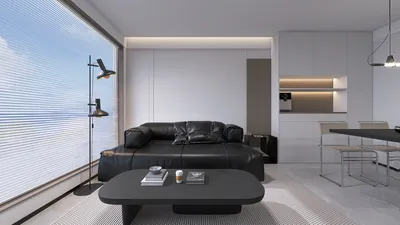


I once attempted to fit a cozy sofa into a narrow kitchen because the client insisted on having a "TV and a nap spot while I cook." While it appeared charming in the design plan, the result was a disaster in practice. This experience highlighted how small spaces can challenge unrealistic designs and instead reward smart decisions. It led me to rethink aspects such as connection, flow, and seating. This is why I now enjoy crafting an open, inviting kitchen lounge that makes practical use of an open-plan layout, especially with tools like Homestyler that aid in visualization.
1. Cohesive open-plan kitchen lounge
Imagine your kitchen and lounge functioning as a single performance rather than two isolated scenes: aligned views, a shared color scheme, and uniform flooring can enhance the sense of space and comfort. The benefit is increased sociability — guests can comfortably sit at a countertop or on a small sofa to chat while you’re busy cooking. However, this setup means accepting some noise from cooking and maintaining strict organization to control clutter.
save pin
2. Versatile islands and banquettes
An island that functions as a preparation area, dining space, and place for homework is crucial for compact homes. Banquettes positioned under windows offer built-in seating and storage solutions, but it’s important to consider their scale to ensure easy movement. A budget-friendly strategy is to construct the bench bases from plywood boxes and paint them, giving the illusion of custom furniture without a hefty price tag.
save pin
3. Layered lighting and atmospheric variations
Proper lighting can make a lounge feel purposeful. Combine bright task lighting over work surfaces, a warm pendant above the island, and adjustable lamps in the lounge area; this combination allows the space to accommodate various moods. If you want to see how the atmosphere changes before purchasing fixtures, I frequently utilize photorealistic renderings, which can help avoid regretful purchases and cumbersome returns. Utilizing tools like Homestyler can further refine these choices.
save pin
4. Adaptive furniture and clever storage
I consistently recommend movable seating: stools that slide under counters, nesting tables that can be tucked away, and ottomans offering hidden storage. Smart storage options—such as toe-kick drawers, shallow shelves behind sofas, and magnetic strips—help keep surfaces uncluttered. However, multi-functional furniture can sometimes sacrifice comfort, so it’s wise to invest in a few truly comfortable pieces, like one exceptional chair, rather than settling for several average ones.
save pin
5. Textures, rugs, and subtle separations
A rug in the lounge area, an altered ceiling treatment, or a low-height shelf can softly delineate functions without erecting walls. These gentle separations allow the kitchen and lounge to remain seen as distinct areas while preserving an open ambiance. For clients interested in technology, I have explored using AI-assisted design tools to swiftly generate layout options, providing a quick means to iterate and discover overlooked solutions, such as those offered by Homestyler.
save pin
FAQ
Q1: What is a kitchen lounge?
A: A kitchen lounge merges cooking and lounging spaces into a communal area, commonly incorporating kitchen counters alongside seating arrangements. It emphasizes flow and interaction over strict separations.
Q2: Is it possible to have a lounge in a very small kitchen?
A: Absolutely—by utilizing compact, multifunctional furniture, vertical storage, and ensuring a clear circulation pathway, you can create a warm lounge area even in tiny kitchens.
Q3: How should I select seating for a kitchen lounge?
A: Combine different types of seating—such as a comfortable chair, bar stools, and a bench—so the space can accommodate various activities. If budget limitations exist, prioritize one high-quality seat.
Q4: Are rugs suitable for kitchen lounges?
A: Yes, low-pile, washable rugs are great for lounge spaces, but it’s best to avoid them in areas prone to splashes or spills, such as near sinks or cooktops.
Q5: What is a reasonable budget to create a lounge in my kitchen?
A: Minor adjustments such as lighting, rugs, and seating can often be done for a few hundred dollars, while built-in banquettes or islands with appliances may require a larger investment dependent on materials. I always recommend forming a realistic priority list.
Q6: How can I conceal kitchen clutter when entertaining guests?
A: Utilize closed storage solutions, appliance garages, and keep a decorative tray for essential items on countertops to allow for quick surface clearance.
Q7: What is the best lighting color for a kitchen lounge?
A: Warm white lighting (2700K–3000K) establishes a cozy lounge atmosphere, whereas brighter neutral whites (3000K–4000K) are ideal for task-oriented spaces. Layered dimmable options provide maximum versatility.
Q8: Are there standard guidelines for kitchen planning?
A: Indeed—organizations such as the National Kitchen & Bath Association (NKBA) offer planning guidelines and suggested clearances. Visit nkba.org for comprehensive standards.
Homestyler is your go-to online home design platform! With its user-friendly design tool, stunning 3D renderings, and a wealth of inspiring design projects and DIY video tutorials, you can effortlessly create your dream space. Transform your home design journey today with Homestyler!
Progetta ora GRATIS
































