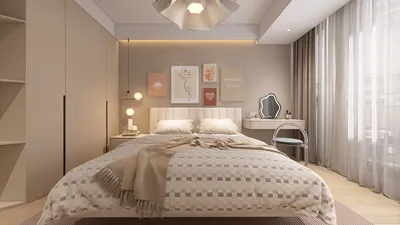


Late one night, I took on the challenge of painting a client’s cramped studio, as they claimed the landlord would inspect it the following morning. I quickly discovered that paint dries far quicker than arguments, but diligent preparation can significantly reduce expenses. Small spaces can ignite big ideas, which is precisely the approach I take when discussing painting costs and effective budgeting strategies. For a quick visual aid, I often direct clients towards a room layout case study to help them envision the end result with tools like Homestyler.
In brief, the cost of interior painting typically falls between $1,500 and $6,000 for an average-sized home, while exterior jobs can range from $3,000 to over $10,000. These costs depend on several factors, including square footage, the extent of preparation needed, paint quality, and local labor rates. Below, I outline five practical ideas to help manage expenses while maintaining aesthetic appeal.
1) One-Coat Wonders: Invest in Top-Quality Paint
Opting for premium high-hide paint may incur a higher upfront cost but can reduce overall labor time since one coat provides better coverage. This trade-off results in less time spent on labor for a higher initial material expense. While the initial cost may be steep, the time saved during rentals or in small rooms often justifies the investment.
save pin
2) Accent Focus: Paint One Wall, Save on Others
If your budget is limited, consider selecting one focal wall in each room to feature a bold color while keeping the remainder neutral. This strategy provides a striking designer effect without the hefty price tag of painting the entire house. The key is to choose the prominent wall, typically the one immediately visible upon entry to the room.
save pin
3) Trim and Ceiling Strategy: Small Details, Significant Impact
Revamping trim and ceilings with glossy or semi-gloss paint can create a cleaner and more modern appearance at a fraction of the cost of repainting whole walls. This approach can be laborious, especially in tight spaces, so DIY enthusiasts should honestly assess their patience; hiring professionals for this work often results in cleaner lines and reduced product waste.
save pin
4) Refresh vs. Repaint: When to Sand and When to Paint
Surface preparation is a major cost driver. If walls require patching, treatment for mold, or a primer coat, expenses will increase. For lightly used walls, a simple clean and two coats of paint could suffice economically. I once helped a client save hundreds by avoiding unnecessary sanding after a quick adhesion assessment, but this decision should be made judiciously on a room-by-room basis.
save pin
5) DIY, Hybrid, or Professional: Weighing Real Costs
While DIY work reduces labor costs, it can demand significant time and result in mistakes; hiring professionals guarantees speed, warranty, and high-quality finish. A mixed approach—engaging pros for prep work and trim while handling larger walls yourself—often balances quality with cost. If you're looking to visualize colors and layouts before making a commitment, utilizing tools like Homestyler for 3D renderings can prevent costly second coats.
save pin
How I Estimate: Simple Rules of Thumb
To estimate costs, measure the square footage of walls (height x perimeter) and ceilings. Multiply these figures by local hourly labor rates or per-square-foot costs. Always remember to include a 10–20% buffer for unexpected preparation needs. For tight budgets, focus on high-impact areas like living rooms and kitchens.
It’s essential to be aware of common hidden costs, such as lead paint remediation in older houses, moisture or mold treatment, and specialized finishes. If your project includes kitchens or bathrooms, anticipate slightly higher costs for moisture-resistant paints and comprehensive prep work—many clients refer to kitchen makeover inspiration when planning these areas.
save pin
FAQ
1. How much does it cost to paint a small room?
Typically, painting a small bedroom (10x12) costs between $200 and $600 when hiring professionals, depending on preparation work and paint quality. If you decide to do it yourself, materials can be under $100, but consider the time and tools required.
2. What factors most influence the cost of exterior painting?
Key factors include the condition of the surface, the number of stories, and accessibility (ladders versus scaffolding). Extensive preparation or lead remediation substantially raises costs.
3. Is premium paint worth the investment?
Yes, especially in high-traffic areas or rental properties, where durability is crucial; premium paints generally provide better coverage and can minimize the number of coats needed, yielding long-term labor savings.
4. What is the typical duration for a paint job?
A single room can often be completed in a day by a professional, while painting an entire medium-sized home usually takes between 3 to 7 days, accounting for drying time and touch-ups.
5. Can painting over wallpaper be done?
It's occasionally possible, but comes with risks. If wallpaper is loose or textured, removing it and properly preparing the walls is advisable to prevent issues like bubbling or adhesion failures.
6. How can I obtain accurate quotes?
Request itemized estimates from painters that outline preparation, paint, and labor separately. Always compare at least three bids and check references or previous work examples.
7. What’s the average cost to paint a house nationally?
According to HomeAdvisor, most homeowners usually spend between $2,000 and $4,000 to paint their interiors, although local market variations can be significant (source: https://www.homeadvisor.com).
8. How can I economize without sacrificing quality?
Select durable paints for key spaces, conduct basic prep work yourself (like cleaning and light sanding), and focus on accent walls instead of repainting entire rooms. A staged approach allows you to spread costs over time.
save pin
Discover the power of Homestyler, the ultimate online home design platform! With its user-friendly design tool, stunning 3D renderings, and a wealth of DIY video tutorials, you can effortlessly create and visualize your dream spaces. Unleash your creativity today!
Design jetzt kostenlos
































