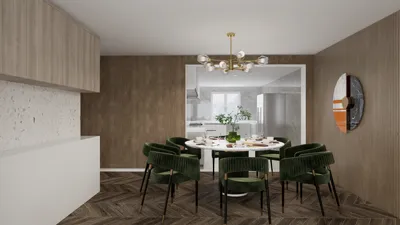


I once worked with a client who had a rather unique request: they wanted a humidifier cleverly concealed within a shoe cabinet — surprisingly, socks thrive in 50% humidity. This peculiar desire made me reconsider the role of humidifiers in room design; they are not merely appliances but can be integrated into the aesthetics of a space. When optimizing compact areas, effective space planning is crucial.
1. Select the appropriate type based on size
For smaller rooms, I typically suggest using compact ultrasonic or evaporative humidifiers. Ultrasonic models operate quietly and are energy-efficient, making them ideal for bedrooms; however, they can leave a fine white dust if hard tap water is used. On the other hand, evaporative models won't create dust but might be a bit noisier when in operation.
save pin
2. Consider built-in nooks and furniture integration
In a studio that I redesigned, I incorporated a shallow nook within a shelving unit specifically designed for a small humidifier. This thoughtful design choice provided an intentional look while keeping surfaces dry. However, accessibility is a key factor: concealed units should allow simple access for refilling and maintenance, so ensure there's a clear front or a removable panel available.
save pin
3. Optimize placement for performance and safety
Placement of the humidifier is often underestimated: elevating it on a small table or shelf facilitates better mist circulation and avoids wet flooring. Strive for unobstructed airflow and keep it away from wood or electronics; using a tray below can prevent future issues. To visualize how the humidifier interacts with surrounding furniture, I frequently create a quick 3D layout using tools like Homestyler to enhance sightlines and airflow.
save pin
4. Opt for dual-purpose or smart devices
In small spaces, multifunctional humidifiers are a blessing. Those that serve as diffusers, night lights, or include built-in hygrometers help reduce clutter. Although they may involve a higher initial investment, the reward is a more streamlined aesthetic with fewer gadgets. Personally, I have one next to my bedside that transforms my space into a serene retreat.
save pin
5. Balance maintenance, design, and budget strategies
Frequent short maintenance routines prevent mold and mineral buildup. I advise clients to use distilled water to avoid white dust and aim for a comfortable humidity level of about 40-50%. Want it to complement your decor? Choose a model with a stylish removable cover or position it within a decorative, ventilated basket, ensuring it doesn't obstruct the mist. For futuristic designs, you can explore AI-driven ideas with Homestyler to seamlessly integrate your device placement into your overall design.
save pin
FAQ
Q: What size humidifier is needed for a small room?
Look for models designed to accommodate the size of your space; most compact units are effective for areas up to 200 sq ft. If uncertain, opting for a slightly larger model can reduce the frequency of refills.
Q: Where should I place a humidifier in a small room?
It is best to position it on a stable surface away from walls and electronics to ensure proper mist circulation. Avoid placing it directly on wooden floors or fabric that can hold moisture.
Q: How often must I clean my humidifier?
Ensure you clean the tank and base at least once a week, and adhere to the manufacturer's instructions for deeper descaling every 1 to 2 months. Regular maintenance helps prevent bacteria and mineral buildup.
Q: Can a humidifier lead to mold or damage?
Indeed, if the humidity levels remain excessively high or if mist comes into direct contact with surfaces; it is advisable to maintain indoor humidity around 40-50% and to use a hygrometer for monitoring. Overly moist conditions can foster mold growth, so don’t run it continuously without checking humidity levels.
Q: Which type of humidifier is best suited for a tiny room?
Ultrasonic models are perfect for quiet sleeping areas and small spaces, while evaporative types are more reliable at minimizing mineral dust. When making your selection, consider the maintenance demands and noise levels that are acceptable to you.
Q: Do I need to use distilled water?
Using distilled water minimizes white mineral dust and lessens cleaning frequency, particularly for ultrasonic devices. Tap water is usable, but it may lead to more regular descaling and possible residue accumulation.
Q: Can I operate a humidifier around plants and pets?
Many indoor plants thrive with slightly higher humidity, though it’s important to monitor for potential leaf rot. Pets usually adapt well to typical indoor humidity; just be sure to direct mist away from pet bedding to avoid any damp patches.
Q: What humidity level should I strive for?
Maintain relative humidity between 30-60%; keeping it below 60% is crucial for preventing mold growth. According to guidelines from the CDC, sustaining indoor humidity levels below this threshold reduces the risk of mold development (https://www.cdc.gov/mold/faqs.htm).
save pin
Discover the ease of home design with Homestyler! This incredible online platform offers a user-friendly design tool, stunning 3D renderings, and a wealth of DIY video tutorials. Whether you're a beginner or a seasoned designer, you can effortlessly create and visualize your dream space.
Design Now for FREE
































