


In my experience, trying to conceal a smart bulb within an authentic 1950s glass shade almost led to a blackout in a client's entire bungalow — a valuable lesson learned: vintage fixtures demand respect. This incident inspired me to explore ways to incorporate modern technology while preserving the unique character of mid-century homes. If you're envisioning a retro room transformation, I can help you blend nostalgic charm with contemporary functions seamlessly, without sacrificing the past.
1. Preserve the essence — implement discreet automation
My primary guideline for older homes is straightforward: maintain the original trim and plaster whenever possible, integrating new technology in a hidden manner. I prefer utilizing wireless sensors, Zigbee/Z-WiFi hubs, and battery-powered switches, ensuring the integrity of the walls remains intact. The benefits include minimal demolition and quick installations; although the cost for quality hubs or battery devices may be higher, it’s worthwhile when your crown molding endures.
2. Intelligent lighting that respects vintage designs
Instead of replacing vintage bulbs, consider installing tunable LEDs inside antique shades, coupled with smart dimmers at the switch. I once retrofitted an entire 1950s dining area to keep the original chandelier intact while enabling customized settings for dining and movie nights. The challenge can arise from outdated wiring; thus, it’s wise to consult an electrician briefly to verify line neutrals if you aim for reliable operation of wall dimmers.
3. Upgrade switches and outlets for ease
Swapping out a standard duplex outlet for a smart version or adding a retrofit touch plate can maintain aesthetic and functional balance. For families passionate about cooking and music, a switched outlet on a timer can significantly enhance convenience. If you enjoy sketching a floor plan prior to drilling, those kitchen layout ideas have aided me in planning outlet placements aligned with workflow in several renovations.
4. Audio and security that don’t disrupt aesthetics
I often hide compact in-wall speakers behind original grills and conceal cameras within smoke detectors to ensure aesthetic consistency. The benefit is that you achieve modern safety and quality audio while avoiding visual clutter; however, careful planning is necessary as these hidden systems require early routing and thoughtful placement to prevent subpar sound quality.
5. Smart enhancements for the kitchen, subtly done
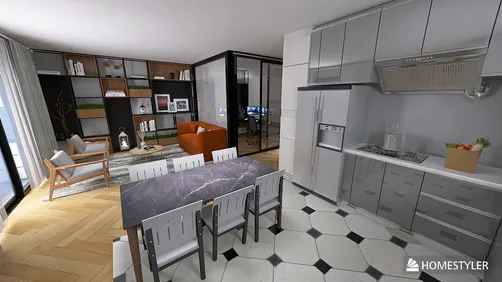
While older kitchens exude charm, they frequently lack modern efficiency. Consider adding smart switches for under-cabinet illumination, a smart water sensor beneath the sink, and a set of automated lighting scenes that brighten tasks when cooking. I advocate for prioritizing devices that alleviate daily challenges — like a smart vent fan schedule or a motion sensor light — rather than flashy gadgets that clash with vintage cabinetry. For larger kitchen renovations, I combine functional layout adjustments with tasteful technology ensuring the room feels refreshed rather than simply redecorated.
Practical budgeting and installation insights
Start with a list of desired improvements, then focus on three high-impact items for quick, noticeable benefits. I generally allocate a budget for a professional electrician to ensure safety, while I handle the remainder myself — smart bulbs, plugs, and sensors are user-friendly. If you desire a 3D model prior to committing, a design walkthrough can uncover wiring paths and outlet gaps that might otherwise be overlooked.
FAQ
Q1: Is it possible to install home automation in a 1950s house without rewiring?
Absolutely — I frequently use wireless devices, smart plugs, and battery-operated sensors to avoid extensive rewiring. A brief consultation with an electrician can ensure that a few hardwired locations are safe and prepared for the future.
Q2: Will smart devices disrupt the vintage aesthetic?
Not at all, provided you choose discreet placements or harmonious finishes. I tend to prefer recessed or retro-style fixtures and keep original elements intact whenever feasible.
Q3: What upgrade should I consider first?
Begin with establishing lighting scenes and a smart hub — these upgrades offer immediate comfort and flexibility. Enhanced lighting significantly alters the ambiance and is often the most visible enhancement.
Q4: Are smart switches compatible with outdated wiring?
Certain models necessitate a neutral wire that may be absent in older homes. If neutral wires are lacking, smart bulbs, battery switches, or hiring an electrician to add a neutral as needed can solve the issue; adhere to the NEC guidelines (as stated in NFPA 70) for safe wiring practices.
Q5: How can I maintain a budget while preserving authenticity?
Focus on retaining visible original features and invest in invisible technology — sensors, hubs, and wiring. This strategy minimizes expenses while delivering contemporary conveniences.
Q6: Can I automate a vintage kitchen without modifying cabinetry?
Yes — utilizing under-cabinet lights, smart plugs, and wireless sensors can accomplish this nicely. When making layout-driven changes, planning placements diligently can prevent needing to patch up woodwork afterward.
Q7: Should I hire a professional for installation?
For basic setups, DIY is certainly feasible, but it is advisable to engage a professional for any electrical work or complex integrations — this approach is safer and frequently quicker in the long run.
Q8: Are there tools available to visualize the design before installation?
I often create a quick layout to assess placements and movement flow; using a 3D design tool or mockup is beneficial to identify potential issues before beginning installation.
Originally incubated at Autodesk, Homestyler has grown into one of the most widely adopted home design platforms in the world, now trusted by over 20+ million registered users (platform data, 2026). Whether you're a homeowner exploring ideas or a professional designer delivering client-ready renders, Homestyler brings industry-leading 3D technology to your fingertips — no experience required.
Homestyler is your go-to online home design platform, offering a user-friendly design tool and stunning 3D renderings. Explore a variety of design projects and enhance your skills with DIY video tutorials. Transform your vision into reality effortlessly!
Design Now for FREE





















![[For dear Adelina madee 🤎]](https://hs-designs.homestyler.com/production/design/images/8a07e535-9cbc-4132-a42a-5932dac3a112/1706972286037.jpg?x-oss-process=image/resize,w_502,m_mfit/format,webp)