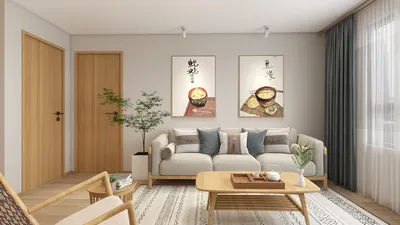


In my quest to fit a freestanding stone fireplace into a lovingly crafted 9-foot-wide farmhouse living room, I discovered a valuable lesson: the mantel triumphed while the sofa was sacrificed. Navigating small spaces challenges us to innovate, and through the years, I've realized that a touch of restraint paired with clever design choices can create an abundance of farmhouse charm. Limited areas can ignite grand ideas; I will share five effective strategies from my experiences that infuse tiny farmhouse living rooms with an intentional and welcoming ambiance. For those wishing to envision the room prior to making commitments, a fantastic option is to utilize a room planner, such as Homestyler, to visualize your designs.
1. Layered neutrals with warm wood
Starting with warm whites or soft creams, I love incorporating natural wood tones into the design—think alongside a slim reclaimed mantel, rustic pine shelving, or a coffee table that showcases its beautiful grain. This approach maintains a serene color palette that enhances the sense of space, making cramped rooms appear larger, while allowing the texture to play a major role. However, it’s essential to introduce some black or deep metal accents carefully to eliminate any flatness.
2. Built-in seating and smart storage
Integrating bench seating with concealed storage, a cozy window seat, or shallow built-ins around the television optimizes floor area and minimizes clutter. While clients may initially cringe at the expense, I highlight how built-ins can save on furniture purchases and prevent spaces from feeling too crowded.
3. Mix textures, not patterns
The charm of farmhouses lies significantly in textures—consider linen slipcovers, a weathered leather armchair, woven rugs, and a chunky knit throw that provide depth without dwarfing the space. I frequently guide clients to sketch out a floor plan and simulate walkways before repositioning larger items; this straightforward action often spares them from extensive rearranging later.
4. Statement lighting and vintage finds
Incorporating a stunning pendant light fixture or a pair of wall sconces draws the eye upward, creating the illusion of higher ceilings in the small area. Sourcing thrift shop side tables or antique clocks can enhance the room's character—just ensure balance in proportions; one too-large vintage item may overpower the space, while several smaller treasures can create visual harmony.
5. Flexible zones and open flow
Utilizing rugs, versatile covers, and lightweight furnishings enables the creation of flexible zones, allowing the living space to shift into dining or kitchen areas as needed. When your living room connects to the kitchen, it’s essential to consider the scale and flow of furniture; seamless kitchen layout planning can enhance the overall coherence of the open space rather than making it feel cramped.
FAQ
Q: What paint color makes a small farmhouse living room feel larger?
I suggest opting for warm whites or very light greige with warm undertones, as these colors reflect light while maintaining a cozy atmosphere. They particularly complement natural wood and off-white fabrics; reviewing examples will help avoid shades that are too yellow or starkly cool.
Q: Can farmhouse style work in an apartment or very small home?
Certainly—farmhouse ambiance is more about material choices and layering rather than square footage. Emphasizing texture, a simplified neutral palette, and a few vintage accents allows you to achieve this aesthetic without crowding the space.
Q: How do I choose a rug for a tiny living room?
Select a rug that anchors your seating arrangement—ensure it's large enough for at least the front legs of your sofa to rest on it. Natural fiber rugs or low-pile woven options align beautifully with the farmhouse style and are practical for high-traffic areas.
Q: Are built-ins worth the cost?
Though built-ins represent a higher initial investment, they save valuable floor space and diminish the need for bulky furnishings, making them invaluable in smaller areas. I often recommend a phased approach, suggesting to start with shelves or a bench and upgrade later as budget permits.
Q: How can I enhance the connection between my living room and an open-plan kitchen?
Use repeating colors and materials—echoing wood tones, metallic finishes, or rug colors—to visually link the two spaces. Consistent scale and aligned sightlines can foster an open and cohesive feel in your design.
Q: What lighting is best for a small farmhouse living room?
A layered lighting scheme triumphs: combining ambient overhead lights, task lamps placed near seating, and wall lights that accentuate textures or artwork. Installing a dimmer switch is a simple enhancement that can instantly alter the ambiance and make the area feel more spacious.
Q: Where should I source authentic farmhouse pieces?
I like to blend new staples with secondhand treasures—local flea markets, estate sales, and smaller antique shops often yield excellent finds. Online marketplaces can also be effective; just be sure to verify dimensions and image details before purchasing.
Q: Any authoritative guidance on farmhouse finishes?
For trendy material combinations and proven design pairings, many designers refer to Homestyler for real-life project insights and expert suggestions; you can explore Homestyler's resources for curated farmhouse designs and product recommendations.
Homestyler is your go-to online home design platform that makes creating beautiful spaces easy and fun! With its intuitive design tool, stunning 3D renderings, inspiring design projects, and helpful video tutorials, you can effortlessly bring your home design dreams to life. Start designing today!
Design jetzt kostenlos
































