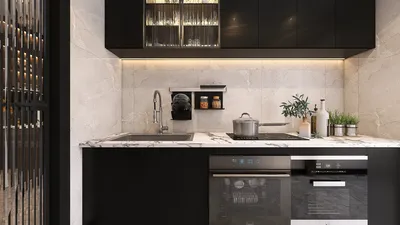


In one of my design projects, I attempted to place a full-size rectangular table in a galley kitchen that was only 7 feet wide. My client insisted on having a rectangular dining surface, and let me tell you, it was a close call! This near-miss underscored how selecting the right small kitchen table can indeed be a game-changer, proving to be a smart choice rather than a daunting one. When seeking layout ideas, I often turn to room design inspirations to learn how others have successfully integrated both functionality and aesthetics into compact spaces.
1. Slim drop-leaf rectangle
One of my favorite designs is a narrow rectangular table featuring one or two drop leaves. When closed, it presents just a slender surface against the wall, but when opened, it comfortably accommodates four. This design clearly illustrates the benefits of compactness paired with the option for expansion. One challenge I encountered was selecting a durable hinge while ensuring that adjacent cabinet doors could still operate freely; this led me to modify a cabinet door swing to prevent any interference.
save pin
2. Wall-mounted folding table
When floor space is at a premium, a wall-mounted folding rectangular table can really transform a kitchen. It's lightweight, affordable, and ideal for quick meals or homework sessions. Although it sacrifices some stability compared to traditional freestanding tables, securing it to the studs ensures it stays firmly in place.
save pin
3. Rectangle table with bench seating
Benches that slide neatly under a rectangular table can optimize circulation more effectively than individual chairs. I often sketch various options and compare dimensions using sample floor plans prior to making a purchase, as benches can be crafted DIY-style to save on costs and to customize their width. However, it’s worth noting that benches might offer a less formal vibe and will require cushions to enhance comfort during extended seating.
save pin
4. Narrow pedestal table
A slender rectangular table supported by a central pedestal allows for maximum legroom while making the room feel more spacious. This design is particularly effective in slightly wider pathways where a sleek, modern aesthetic is desired. Just be careful with the tabletop size—if it’s too large, you’ll take away space for movement rather than for the people using it.
save pin
5. Integrated rectangle island-table
For kitchens with a bit more space, an integrated island-style rectangle table that seamlessly connects with the counter creates a luxurious environment in compact areas. This multifunctional piece serves as a workspace, a dining area, and additional storage. I’ve implemented this design in rental properties to enhance functionality and perceived value. The downside is the increased cost and the necessity to coordinate plumbing or appliance placements with existing cabinetry. Still, the benefits are significant for small, open-concept kitchens. To visualize materials and finishes, I often utilize 3D rendering tools like Homestyler to help confirm the scale and selections.
save pin
FAQ
Q1: What is the ideal size for a small kitchen rectangle table?
A compact rectangular table typically measures between 24 to 30 inches in depth and 36 to 48 inches in length, accommodating two to four diners. Always remember to measure your aisle clearances before making a selection.
Q2: How much clearance do I need around a rectangle table?
Ensure there is at least 30 inches behind a seated individual, and a minimum of 36 inches for main traffic areas to allow for comfortable passage.
Q3: Are bench seats preferable to chairs for small rectangle tables?
Benches help save floor space and can slide underneath the table to improve flow, though they may not be as comfortable for prolonged use. Adding cushions can significantly enhance comfort.
Q4: Can a fold-down rectangle table be stable enough for daily use?
Certainly! When properly anchored to the studs with quality brackets, it’s perfectly suitable for light daily use; however, it’s not recommended for heavy preparation.
Q5: What materials work well for small rectangle tables?
Lightweight woods, laminates, and thin solid-surface materials keep the table size manageable while keeping costs low. While solid hardwood can be attractive, it may seem heavy in snug kitchens.
Q6: How do I select the right leg style for a narrow rectangle table?
Pedestal designs or slender metal legs improve visual space much more effectively than bulky trestles. Be mindful of leg placement to avoid knee collisions.
Q7: Any budget tips for obtaining a rectangle table for a small kitchen?
Consider looking for secondhand solid tops to remount on new bases, or crafting a simple tabletop and combining it with thrifted legs. DIY benches can also greatly reduce expenses.
Q8: Are there official guidelines for kitchen clearances?
Absolutely—organizations such as the National Kitchen & Bath Association (NKBA) provide guidelines regarding minimum clearances (visit nkba.org for detailed standards). I often utilize these benchmarks when designing layouts.
save pin
Looking to transform your space? Homestyler is your go-to online design platform! With its user-friendly design tool, stunning 3D renderings, and a wealth of DIY video tutorials, you can effortlessly create your dream home. Start designing today and unleash your creativity!
立即免费设计
































