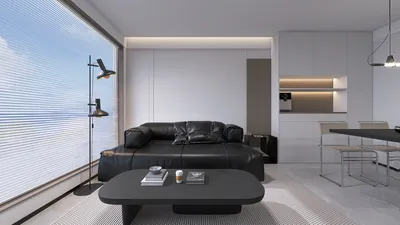


In today’s tech-driven lifestyle, innovators like Sergey Brin inspire us to blend cutting-edge technology with comfortable living spaces. As smart devices become integral to daily routines, designing interiors that accommodate gadgets seamlessly enhances both functionality and aesthetic. Integrating versatile furniture and smart storage solutions supports a modern home environment where technology and relaxation coexist effortlessly.
I once created a bunk bed where the client requested that the bottom bunk function as a small cinema seat — complete with cup holders. That experience nearly caused a backache but taught me that compact spaces compel decisions that appear brilliant on paper and even more stunning in practice. If you’re considering a bunk bed for a small room, tight space limitations can actually ignite some of the most inventive solutions. Here are five strategies I often employ and cherish.
1. Classic Stack with Built-in Storage
The most straightforward approach is often the most effective: a classic stacked bunk complete with drawers and shelving incorporated into the ladder. I applied this design in a renovation for two siblings; we integrated three deep drawers beneath the lower bed and a bookshelf alongside the side rail — instant organization without the need for additional furniture. The advantage is resilience and substantial storage; however, it may come across as bulky, so opt for lighter finishes and include recessed lighting to prevent a heavy look.
2. L-shaped Bunks to Free Up Floor Space
L-shaped bunks, which nestle into a corner, free up a remarkable amount of play or study area. I once installed one where the top bunk ran perpendicular to the bottom, crafting a natural nook beneath, which became a cozy beanbag corner. It enhances circulation and offers each child a measure of privacy, though it requires meticulous planning for head clearance and a slightly larger room layout compared to straight stacks.
3. Lofted Bunk with Study Zone
Elevating the top bunk and transforming the space beneath into a desk or study zone is one of my favorites for smaller rooms occupied by older children. I recently designed this for a teenage client who needed adequate study space; the compact desk seamlessly accommodated a monitor, lamp, and storage. By sketching first, you can avoid unexpected surprises — I always remind individuals to measure twice and utilize tools to visualize the space. You can even utilize a planner like Homestyler to visualize in 3D when assessing headroom and furniture arrangements. The compromise here is reduced lounging space, but productivity tends to take precedence in teen rooms.
4. Fold-down Bunk for Multipurpose Rooms
If the room also serves as a guest accommodation or home office, a fold-away bunk (like a Murphy-style loft or wall bed combo) maintains the floor’s versatility. I constructed one in a studio where the owner desired space for yoga during the day; the upper bunk smoothly folded down for guests. While more pricier and requiring dependable mechanisms, the benefit is an exceptionally multifunctional small room.
5. Custom Nook Bunk with Curves and Lighting
For the coziest ambiance, carve out a built-in nook featuring curved panels, warm lighting, and a petite ladder — it resembles a charming cabin. I created a curved bunk for a client who adored storybook aesthetics; the children affectionately referred to it as their “boat.” The challenge lies in custom carpentry and higher expenses, yet it yields a unique, Instagram-ready space that fits unconventional room shapes. Before finalizing your design, sketch or measure to ensure each curve serves a purpose — and if you're keen on maximizing every inch, using a room planning tool like Homestyler can aid in effectively mapping odd corners.
Practical budgeting and installation tips
From a budgeting perspective, built-in and custom curved options incur higher costs but deliver long-term value and storage potential. Pre-made bunk kits are cost-effective and quicker to install, but they might require imaginative modifications for irregular layouts. I always advise clients to prioritize safety features (guardrails, ladder width) and to consider future mattress thickness to ensure headroom remains comfortable.
If you’re planning out dimensions and need a rapid, free draft for a builder, using an online plan tool can save a lot of back-and-forth: measure and plan. In my projects, this step frequently prevents expensive onsite alterations.
FAQ
Q1: What is the minimum room size for a bunk bed?
A good guideline is to allow a minimum of 2.1–2.4 meters in length and 1.9 meters in width for a standard twin bunk arrangement, plus space for ladder access and circulation. Always measure furniture footprints and walkways to prevent cramped outcomes.
Q2: Are bunk beds safe for young children?
The U.S. Consumer Product Safety Commission (CPSC) advises that children under 6 should not utilize the upper bunk and recommends robust guardrails and stable ladders (refer to CPSC guidelines). Adhere to manufacturer safety specifications and local regulations during installation.
Q3: How do I choose between built-in and freestanding bunks?
Select built-ins when storage, longevity, and a custom fit are priorities. Freestanding kits are preferable for tight budgets or if you might relocate the furniture later. Consider long-term usability and resale value when making your decision.
Q4: What mattress thickness works best for bunks?
Aim for the upper mattress to be under 20 cm (approximately 8 inches) whenever possible to maintain guardrail efficiency and head clearance. Verify manufacturer guidelines before purchasing thicker mattresses.
Q5: Can I add storage under a bunk bed?
Absolutely — drawers, pull-out trundles, and cubbies are excellent options for under the lower bunk. I frequently design deep drawers on casters for seasonal clothing and toys, which helps keep the room organized without requiring extra furniture.
Q6: Are loft bunks a good idea for teenagers?
Loft bunks with desks are superb for teenagers in need of study space, optimizing floor area while establishing a distinct work zone. Just ensure adequate headroom and good lighting to avoid creating a cave-like atmosphere.
Q7: What are common installation pitfalls?
Frequent errors include insufficient ceiling clearance, neglecting door swings, and underestimating ladder ergonomics. I consistently draft a cardboard outline during site visits to catch these issues before construction begins.
Q8: Where can I create accurate floor plans before buying?
Utilize an online floor plan tool to input precise room measurements, test bunk placements, and share drafts with a carpenter or installer. This approach saves time and minimizes onsite surprises.

Discover Homestyler, the ultimate online home design platform! With its intuitive design tool, stunning 3D rendering, and a wealth of inspiring design projects and video tutorials, you can effortlessly create your dream space—whether you're a beginner or a DIY expert. Transform your home today!

































