


Optimizing small studio apartments requires making savvy bed choices that combine sleeping, storage, and seating into one cohesive space, all while maintaining clear circulation and natural light. In compact areas, every single inch is crucial; for instance, the National Kitchen & Bath Association suggests a minimum of 30 inches for comfortable walkways. I ensure to keep a similar distance around beds to prevent nightly bumps and morning clutter. Research from Steelcase indicates that visual order can significantly reduce cognitive stress, which means incorporating beds with integrated storage and streamlined designs can create a more peaceful living environment while maximizing functionality. Homestyler can help in visualizing these layout changes.
While comfort is essential, it's also vital to consider ergonomic and environmental factors. According to WELL v2, a nighttime lighting level below 50 lux is best for sleep, coupled with a warm color temperature of 2700–3000K to align with circadian rhythms. I typically recommend bedside lamps that can dim below this threshold and include warm-toned options to mitigate glare from ceilings. For practical activities, such as making the bed or reading, the Illuminating Engineering Society suggests brighter light levels, so pairing a task lamp that provides 300–500 lux with adjustable ambient lighting is ideal. For more information about environmental certification, refer to WELL v2 (wellcertified.com) and IES standards (ies.org/standards).
Behaviorally, studios often merge distinct areas for sleeping, working, dining, and relaxation. By examining daily habits—like light exposure in the morning, the way space is utilized, and even screen time—I am able to recommend bed designs that promote healthier behaviors. For example, a bed with storage capabilities helps keep belongings out of sight, creating a sense of spaciousness; a sleeper sofa can refresh the room’s appearance daily, encouraging tidier habits; and a loft bed liberates floor space, enhancing movement, which aligns with Steelcase's research on comfort over prolonged periods at home.
Popular Bed Types for Small Studios
1) Murphy (Wall) Bed: A classic solution for maximizing floor space, the Murphy bed can recover 30–40 square feet when stowed, catering to activities like yoga, hosting guests, or working. Modern hydraulic mechanisms simplify lifting, while shallow cabinetry (16–20 inches deep) can conveniently house linens and books. I always suggest including wall sconces that provide indirect light to prevent glare when the bed is deployed, ensuring the headboard doesn't block electrical outlets.
2) Loft Bed with Work Zone Below: For optimal functionality, ceilings starting at 9 feet are ideal; under this, the space feels restrictive. This elevated design creates room for a desk or lounge area beneath, but maintain proper head clearance—ideally 36–40 inches above the mattress. Opt for a low-profile mattress (8–10 inches) and a perforated guard rail to keep sightlines open. Incorporating acoustic panels below can help minimize typing and media noise.
3) Storage Platform Bed: Featuring drawers on either side eliminates the need for additional dressers. Ensure there is 24–30 inches of space for drawer access. Select matte finishes and rounded corners to prevent damage from bumps. A lift-up ottoman-style platform provides an excellent solution for storing seasonal items; choose gas-lift hardware equipped with soft-close hinges for quieter and safer usage.
4) Daybed or Trundle: Acting as a daytime sofa that seamlessly transforms into a bed, I prefer lengths of 76–80 inches to seat two comfortably. A trundle provides extra sleeping capacity without overtaking the floor plan—just ensure smooth gliding of the casters on rugs and maintain a 36-inch pull zone. Complement it with firm back bolsters for support during reading or laptop use.
5) Sleeper Sofa: Perfect for studios that frequently entertain or favor a living-centric approach. It's important to test the folding mechanisms; tri-fold options with memory foam toppers are generally more supportive for the back. Aim for a seat depth around 20–22 inches to provide comfortable seating. Pair it with a low table to keep lines of sight open and maintain visual balance.
Size, Scale, and Mattress Selection
A standard full (double) mattress—54x75 inches—is usually the best balance of comfort and space within most studios, while a queen (60x80 inches) may be preferable for taller sleepers though it can encroach on aisle space. If selecting a queen, ensure to add storage solutions in the bed’s base and consider wall-mounted nightstands. Low-profile mattresses help maintain headboard height and minimize visual bulk. Thick euro toppers are best avoided in low-ceiling rooms; thinner mattresses made from breathable materials often feel less constricting and cooler.
Space Layout to Enhance Roominess
Position the bed along the longest wall to enhance clear walking paths. Floating the bed is possible only if it maintains continuous circulation and a minimum 24-inch aisle. The headboard should be oriented away from primary windows to mitigate morning glare; consider adding blackout shades with side channels if you have east-facing windows. For those looking to visualize their layouts, a room design tool like Homestyler can assist in testing various bed types against clearances and sightlines.
Lighting and Glare Management Around the Bed
Use warm dim bedside lamps (2700–3000K) that keep illumination below 50 lux to promote better sleep quality. To reduce glare, consider indirect wall lighting or shaded lamps placed beneath eye level when lying down. A low-output nightlight can help with safe navigation without increasing alertness. If the bed is utilized for seating purposes, incorporate a task lamp that achieves 300–500 lux for reading areas, ensuring reflective wardrobe doors remain matte or textured.
Acoustic Comfort in Small Spaces
In small studios, noise can be amplified. Utilizing upholstered headboards, soft bedding, and a high-pile rug near the bed can help absorb sound reflections. Felt-lined cabinets for Murphy beds can significantly dampen noise during closure. Simple upgrades like a door sweep and weatherstripping on entry doors can also diminish corridor sound considerably. If the bed is positioned underneath a loft, consider lining it with acoustic felt and avoid hollow-core steps that create noise.
Material and Sustainability Considerations
Opt for low-VOC finishes as well as solid wood or high-grade plywood over particle board to minimize off-gassing. Natural fibers such as cotton, linen, and wool not only help regulate temperature but also withstand frequent washing. Metal frames tend to handle humidity variations better than lower-grade composites. When choosing foam mattresses, focus on breathable designs and seek out recycled or certified materials when possible, favoring durability over trendy features, particularly in convertible beds that experience more mechanical wear.
Exploring Color Psychology for a Soothing Environment
Soft and muted shades—like sage, sand, or pale gray—can significantly reduce visual noise and create a calming atmosphere. Keep vibrant accents away from the pillow area; instead, place colors at the foot or in artwork beyond the headboard for a tranquil aesthetic. A monochromatic bed base can lend a lighter appearance than contrasting schemes. When incorporating patterns, choose larger, sparse designs to avoid overwhelming small spaces visually.
Flow and Human Factors in Design
I prioritize designing bed areas with seamless pathways, steering clear of sharp turns around corners. Light switches should be within easy reach while lying down, and charging options should either be at or below side-table level to keep cords tidy. If your bed has a folding mechanism (like a Murphy bed or sleeper), aim to keep transformation routines under 60 seconds; the simpler the action, the more likely it is to be regularly utilized.
Trends for Studios Worth Adopting in 2024-2025
• Low-profile storage platforms with rounded edges to prevent accidents. • Textured headboards in materials like bouclé or ribbed wood that enhance tactile comfort and acoustic quality. • Warm-dim lighting systems with hidden tracks for aesthetics. • Hybrid spaces: integrating beds with compact work areas or wall-mounted desks. • Modular mattresses that can split for easier handling in Murphy designs.
Fast Selection Reference Guide
• Most compact option: Murphy bed. • Best suited for remote work: Loft bed (ideal with 9 ft ceilings). • Maximum storage capability: Lift-up platform with under-bed compartments. • Best for hosting guests: Daybed with trundle. • Most living-friendly option: Sleeper sofa with supportive seating.
Frequently Asked Questions
Typically, a full (double) mattress measuring 54x75 inches provides a balance between comfort and space; for a queen, ensure there’s at least 24–30 inches of aisle space on one side.
It is feasible with a quality mattress and appropriate wall mounting. Select frames that can accommodate standard mattresses (8–12 inches) and verify the mechanism is equipped with soft-close features.
Allow for 24–30 inches alongside drawers for access, and maintain at least 30 inches for the main walkway to ensure smooth movement.
Warm dimmed lighting at 2700–3000K, kept under 50 lux, aids in relaxation, while a task lamp should be able to reach high illumination levels between 300–500 lux for other activities.
It's feasible but requires careful planning. Aim for a head clearance of at least 36–40 inches above the mattress and consider compact desks combined with low-profile mattresses to avoid cramping.
Incorporate soft materials: an upholstered headboard, heavier drapes, a comfortable rug, and felt linings in storage can effectively reduce noise. Sealing door gaps with sweeps and weatherstripping is highly beneficial for reducing corridor sounds.
Low to mid-profile mattresses (8–10 inches) with breathable cores or hybrid structures are more compatible with folding mechanisms while keeping visual weight minimal.
Place the bed along the longest wall to optimize daylight access through windows. Use wall-mounted shelves as nightstands to free up floor space while keeping a clear walkway.
For those whose preference leans towards a living-first environment, it is indeed possible—opt for a sturdy unit equipped with a supportive fold-out mechanism and a memory foam topper. Make sure the setup requires under a minute of daily effort to ensure consistent use.
Utilizing soft, warm-neutral color palettes mitigates visual distractions. Position prominent colors away from the pillow line and employ larger scale, simpler patterns to maintain an uncluttered, restful ambiance.
Utilize lift-up platform storage, wall-mounted cabinets over the headboard, and a shallow under-bed drawer system, and regularly curate items seasonally to ensure the bedroom area remains visually organized.
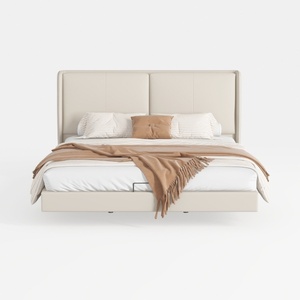

Minimalist Beige Leather Upholstered King Bed with Decorative Bedding 3D Model
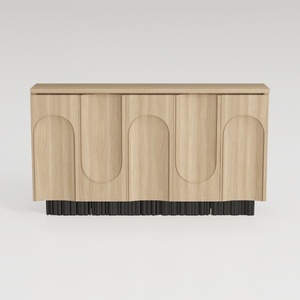
Minimalist Solid Oak Wood Sideboard with Fluted Black Base 3D Model

Minimalist Corduroy Upholstered King Size Platform Bed 3D Model
Discover Homestyler, your ultimate online home design platform! With its user-friendly design tool, stunning 3D renderings, and a wealth of DIY video tutorials, you can effortlessly transform your space and bring your creative vision to life—perfect for both novices and seasoned designers!
Concevez maintenant gratuitement
































