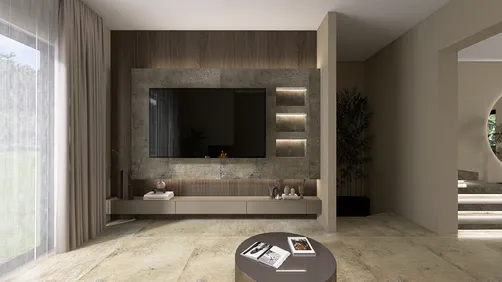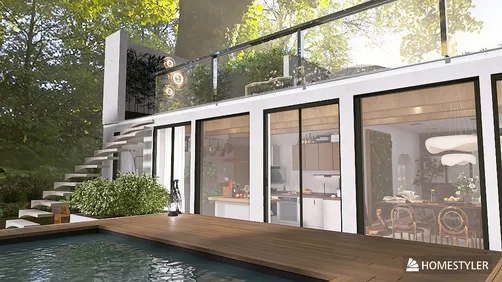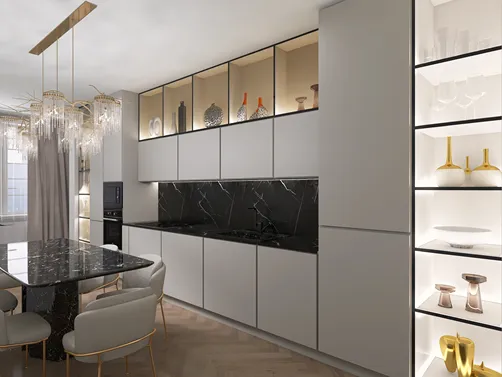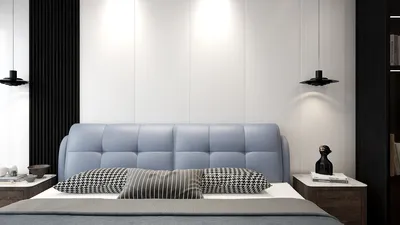



I still chuckle at the client who demanded a barn door that swung like a saloon door and closed without a sound—such a recipe for chaos in a 9 sqm apartment! This experience taught me that in compact spaces, poor choices can lead to significant issues, while smart designs can truly shine. Consequently, I began to explore how to seamlessly integrate barn doors into small homes, especially with unique layouts. If you're looking to visualize the design before taking any measurements or cutting wood, utilizing tools like Homestyler can prevent headaches and reduce material wastage.
1. Reclaimed Wood Rustic Barn Door
The charm of reclaimed wood is undeniable: the knots, nail holes, and the stories behind each plank add character. For limited spaces, a single-paneled rustic barn door provides warmth without feeling overwhelming; the key is to position it close to the wall, ensuring it doesn’t impede movement. It's also forgiving of imperfect cuts and budget-friendly if you source salvaged materials—all while ensuring you take time for sanding and sealing to avoid splinters.
save pin
2. Slim Modern Slab with Flush Track
For clients desiring a minimalist aesthetic, I suggest a slim slab door mounted on a low-profile track. This design offers clean lines and a visually understated appearance. It’s lighter and easier to use compared to thicker barn doors, although the initial cost for high-quality hardware may be more substantial. Nonetheless, in a compact living space, the visual lightness of this style makes a significant impact.
save pin
3. Half-Glass Panel for Light Flow
Incorporating a half-glass panel can convert a barn door into not just a functional piece but also a source of light, maintaining a degree of privacy. This design works brilliantly between a kitchen and a pint-sized dining nook—allowing sunlight to illuminate both areas while enhancing the overall sense of space. If you aim to create floor plans to evaluate sightlines and door swings, using a platform like Homestyler before ordering glass will help to avoid awkward re-measurements.
save pin
4. Pocket-Style Surface Track for Tight Hallways
Traditional pocket doors might require extensive framing, but a surface-mounted pocket-style approach can mimic their design while staying budget-conscious. I’ve implemented an offset track that allows the door to slide flush against the wall, conserving space in narrow hallways. This solution strikes a practical balance—offering a streamlined look with less structural disruption.
save pin
5. Painted Accent Door with Statement Hardware
Sometimes, all it takes is a splash of paint and quality hardware for a dramatic upgrade: bold colors paired with matte black rollers can turn a barn door into the centerpiece of a room. This approach is affordable yet impactful, though painted doors can show wear more quickly, so opting for durable finishes is important. If you’re keen on blending aesthetic appeal with effective design, exploring mockups or even AI-driven tools like Homestyler to visualize color and scale can be beneficial before making any decisions.
save pin
Tips 1:
Don’t overlook the importance of quality hardware in your budget. While cheaper rollers may seem like a good deal, they can lead to noisy operations and necessitate early replacements. I always advise clients to invest in smooth nylon wheels paired with a rated track—prioritizing comfort can pay off significantly in everyday use.
save pin
FAQ
Q1: What tools do I need for a basic DIY barn door?
You’ll require essential tools like a circular saw or table saw, a drill, a level, a tape measure, and a stud finder. For finishing touches, sandpaper, a brush or sprayer, and basic safety equipment are also necessary.
Q2: How do I measure for a barn door?
Start by measuring the height and width of the door opening, then add sufficient overlap—generally 1.5 to 2 inches on each side and 1 inch above—to ensure privacy and smooth operation. Also, make sure to double-check the stud locations for mounting the header.
Q3: Can I install a barn door on a load-bearing wall?
Yes, this is possible, but you must secure the track into a structural header or utilize reinforced blocking between the studs. If uncertain, consult a contractor to ensure safe and effective mounting.
Q4: Are barn doors suitable for bathrooms?
They can work well, provided you choose hardware with a locking feature and a moisture-resistant finish. It's essential to pay extra attention to ventilation and privacy compared to traditional hinged doors.
Q5: How much does a DIY barn door cost?
Costs can vary greatly: a basic DIY using reclaimed wood and mid-range hardware may range from $150 to $400, while custom doors with glass or premium materials can exceed $800. Prioritize quality hardware when planning your budget.
Q6: What weight limits should I keep in mind with barn door hardware?
Always check the manufacturer's weight rating—most residential tracks can accommodate 200 to 300 lbs, but heavier custom doors will require commercial-grade systems. For installation and hardware ratings, I often refer to resources like This Old House.
Q7: Do barn doors influence resale value?
Well-crafted barn doors can enhance charm and perceived value, especially in small urban homes where space optimization is essential. Avoid overly trendy colors or impractical placements that could deter potential buyers.
Q8: Any tips for finishing and maintenance?
Seal the wood with a durable polyurethane or oil finish to ensure longevity, and lubricate the rollers annually using a dry lubricant. Remember to tighten fasteners after the initial months of use to maintain smooth operation of the door.
save pin
What began as an Autodesk innovation has evolved into a design platform used by more than 20+ million registered users (platform data, 2026) around the globe. Homestyler combines powerful rendering, an intuitive editor, and a vast furniture library to help you turn inspiration into photorealistic designs — whether you're redesigning a single room or planning an entire home.
Homestyler is your go-to online home design platform, perfect for both beginners and seasoned decorators. With its user-friendly design tool, stunning 3D renderings, and a wealth of inspiring design projects and DIY video tutorials, you can effortlessly create and visualize your dream space!
Дизайн сейчас бесплатно












![[For my dearest Sabrinik 🧡]](https://hs-designs.homestyler.com/production/design/images/3f463715-5ed6-4c49-9346-16d464510aa6/1714085722568.jpg?x-oss-process=image/resize,w_502,m_mfit/format,webp)