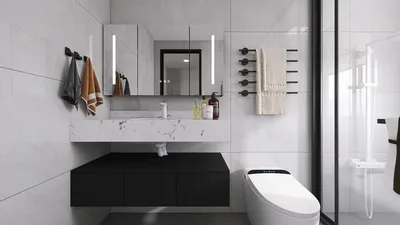


In urban settings, where space is often at a premium, a thoughtfully arranged small garden can significantly enhance one's mood, air quality, and daily experience. My observations have revealed that the most effective indoor gardens heed the principles of light, circulation pathways, and subtle moments of interaction—areas designed for pausing, breathing, and rejuvenation. Numerous studies reinforce the beneficial effects on wellness: the WELL v2 framework identifies biophilia as a crucial aspect for boosting mental health and wellbeing; its Mind concept associates a connection to nature with reduced stress and improved mood. Additionally, research from Steelcase indicates that spaces incorporating natural elements and views are linked to greater engagement and overall wellbeing in workplace environments, a trend I notice reflected in home spaces as well.
Prioritize Lighting: Daylight, Color Temperature, and Plant Layers
Light serves as a primary factor in city residences. I position plants according to the actual availability of daylight and enhance this with LED lights set between 4000–5000K for a clear, neutral light spectrum. The WELL v2 Light framework advocates for sufficient illumination that aids circadian rhythms; synchronizing growth lights with daytime hours helps maintain sleep quality. I employ three vertical layers for plant placement: high-light plants are positioned close to windows (such as herbs and succulents), medium-light varieties are set back on shelves 3–6 feet away (like ferns and pothos), and shade-tolerant plants are placed under lofts or tables (like ZZ and snake plants). The aim is to achieve even, glare-controlled lighting—avoiding bright spots that can strain eyes or burn leaves. For multiple plant sections, using a room layout tool can effectively highlight circulation and light variations, like the one provided by Homestyler.
Micro-Garden Types for Limited Floor Plans
Small living spaces necessitate vertical gardening and multifunctional designs. I focus on five distinct types:
These approaches take into account human factors—ensuring accessible reach, clear lines of sight, and safe movement routes—allowing plants to enhance rather than impede everyday life.
Comfortability in Ergonomics and Human Considerations
Gardening should feel seamless. I position most tasks at a comfortable height between 32–44 inches to minimize strain from bending, and I ensure heavier pots are waist-high with stable bases. Incorporating handles, trays, and wheels aids in avoiding cumbersome lifts. This is particularly relevant in micro-kitchens, where food prep coincides with watering; I maintain a 24-inch clear workspace to prevent spills and clutter. A simple workflow—water, prune, clean—easily integrates into a five-minute morning routine without disrupting cooking or home office tasks.
The Psychology of Color and Material Harmony
The greens of plants can influence mood, shifting from calm and reflective (blue-green leaves) to vibrant and invigorating (yellow-green). Neutral-toned planters—such as matte white, sand, and charcoal—highlight the greenery without cluttering the visual aspect. Warmer terracotta provides a cozy vibe in living spaces, while sleek black metal adds a modern touch in contemporary areas. I strive to avoid an overabundance of colors in compact areas; utilizing two planter colors alongside one accent (like a patterned or glossy ceramic pot) ensures a coherent look without overwhelming the senses.
Water Management, Drainage, and Indoor Safety Concerns
Effective water management is vital in design. I favor a double-containment system: an inner pot with drainage capabilities and an outer sleeve lined with absorbent felt or stones. Trays should extend 0.5–1 inch beyond the pot's diameter to capture any overflow. In rental units, safeguarding hardwood floors with small mats underneath each plant arrangement is essential. When crafting hanging gardens, select ceiling anchors rated for 30–50 pounds and ensure they are fixed into joists; never rely solely on drywall. Group humidity-loving plants together to minimize evaporation and maintain consistent microclimates.
Enhancing Acoustic Comfort: Mitigating Echoes and Urban Noise
Leafy plants can help diminish high-frequency sounds, and utilizing porous planters along with planting materials can minimize flutter echoes prevalent in concrete-heavy spaces. I arrange plant clusters near hard walls to decrease echo effects, pairing that with soft fabric runners or hanging tapestries. This creates a gentle acoustic atmosphere, making compact living areas feel more serene without the need for extensive sound-proofing installations.
Efficient Herb Stations for Kitchen Functionality
An effective herb station integrates light, airflow, and proximity to preparation areas. Position basil, mint, and chives at the sunniest spot, with rosemary placed slightly further back, ensuring airflow does not disturb the leaves. Store scissors on a magnetic strip and a small compost bin underneath the countertop. This efficient triangle—herbs, sink, and waste—minimizes movement and keeps messiness in check. In kitchens with less natural light, using clip-on 4000K grow lights for 12-14 hours can markedly enhance plant growth while maintaining natural color tones for cooking.
Creating Hybrid Gardens from Balconies to Living Spaces
For apartments featuring small balconies, I develop a two-zone system: hardy herbs and ornamental plants outdoors, with humidity-loving varieties just inside. This design allows for cross-ventilation while shielding delicate species from rapid temperature changes. A pivoting cart facilitates seasonal transitions between zones. Outdoor items should utilize weather-resistant materials, while indoor pieces can be made from matte or glazed ceramics to maintain moisture around the roots.
Establishing Maintenance Routines and Intelligent Solutions
Smaller gardens thrive on predictable care routines: a quick 10-minute weekly check for discolored leaves, soil moisture, and pests; a longer 15-minute monthly repotting or pruning session. Implementing simple tech tools—like capillary watering mats or smart devices that control grow lights—can ease the burden of upkeep. I label each plant with care instructions, watering schedules, and light preferences to ensure that anyone at home can easily provide care.
Sustainability in Materials, Potting Mixes, and Lifespan
Opt for planters fashioned from recycled metals, FSC-certified wood, or sturdy ceramics instead of flimsy plastics. Potting soils containing coco coir help decrease the reliance on peat. I prefer to select long-lived plant species that grow moderately, which minimizes the need for frequent repotting and waste generation. Composting leftover clippings and employing organic fertilizers creates a low-toxicity environment that aligns with a straightforward, sustainable approach.
Design Ratios and Visual Equilibrium in Small Rooms
In compact areas, I allocate around 10–15% of the visual space to flora, distributed across two or three clusters. A prominent focal plant (36–48 inches in height) serves as the anchor of the design, complemented by medium and small plants to establish a soothing gradient. I suggest grouping plants by leaf texture—such as glossy with matte or fine with broad—to avoid monotony. Leaving gaps around clusters allows for air and light penetration; overcrowding can swiftly lead to visual discomfort.
In a 420-square-foot studio, I established a two-shelf herb wall equipped with a 5000K grow light and a mobile cart that enabled year-round growth of cilantro and basil without obstructing the window. The cart was strategically placed beside the sofa, moving to the sill on sunny days; this routine was completed in under five minutes. In a narrow one-bedroom space, three hanging planters added interest to a reading nook while a trio of ferns absorbed sound near the entryway, ensuring it felt inviting and tranquil.
Reliable Sources for Further Information
For more in-depth insights on wellness and lighting design, refer to the WELL v2 resources on biophilia and light principles. Workplace studies correlating natural elements with employee engagement can also be accessed through Steelcase Research.
Frequently Asked Questions
Q1: What color temperature is optimal for indoor grow lights in living spaces?
A1: I recommend using lights between 4000–5000K for a neutral, daylight-like ambiance that accurately depicts food and foliage while promoting plant health. Setting timers to align with daylight hours helps maintain biological rhythms consistent with WELL v2 light guidelines.
Q2: What is the appropriate amount of greenery for a very compact studio?
A2: Aim for 10–15% of the visual space dedicated to plants, organized into two or three clusters. Typically, one taller focal plant paired with medium and small companions achieves a pleasing balance while avoiding crowding.
Q3: Which plants are low-maintenance and suitable for dimly lit corners?
A3: Consider ZZ plants, snake plants, and pothos as they tolerate lower light levels and irregular watering. It’s best to keep them sheltered from drafts and provide occasional access to bright, indirect sunlight to maintain their color and health.
Q4: How can I avoid overwatering in my apartment?
A4: Implement inner pots with drainage and outer containers equipped with absorbent liners or pebbles. Check the moisture at knuckle depth and water when the top inch feels dry for most plants. Ensure trays exceed the pot diameter by 0.5–1 inch to capture excess water.
Q5: What ergonomic heights facilitate comfortable gardening?
A5: Position the majority of care tasks between 32–44 inches high. Heavy planters should be maintained at waist level and securely based, while using rolling carts can alleviate the need for awkward lifts when relocating plants for optimal light exposure.
Q6: Do indoor plants significantly influence acoustics?
A6: Yes, the mass of leaves along with porous materials disperses high-frequency sounds and dampens echo effects, particularly near solid surfaces. Pairing these clusters with soft furnishings (like rugs and drapes) mitigates harshness considerably.
Q7: How can I seamlessly integrate a garden into a small kitchen without sacrificing prep space?
A7: Utilize a slim shelf equipped with an integrated grow light positioned above counter height, along with a rolling cart for overflow plants, while ensuring a clear 24-inch prep area. Store scissors on a magnetic strip and a compost bin under the sink to streamline workflows.
Q8: What eco-friendly planter materials should I consider?
A8: Look for planters made from recycled metal, FSC-certified timber, and robust ceramics, as they last longer than thin plastics. Planting mixes made with coco coir help reduce reliance on peat, and selecting plants with moderate growth helps mitigate waste through less frequent repotting.
Q9: Is a bathroom a suitable location for indoor plants?
A9: If the bathroom features indirect light and proper ventilation, then yes. Opt for moisture-loving plants such as ferns and philodendrons while ensuring that electrical outlets and cables are kept away from splash areas.
Q10: How do I effectively plan my plant layout prior to purchasing?
A10: Assess sight lines, movement paths, and lighting variations, then arrange plant clusters to circumvent pinch points. For a quick visual overview of circulation and window light exposure, using a straightforward layout tool like Homestyler can help simulate different arrangements.


Modern Solid Wood Metal Adjustable Standing Desk 3D Model

Industrial Solid Wood Metal Office Desk With Storage Drawers 3D Model
Homestyler is your go-to online home design platform, perfect for all skill levels. With its easy-to-use design tool, stunning 3D renderings, an array of design projects, and helpful video tutorials, you can turn your decorating dreams into reality effortlessly. Dive into creativity today!
Desain sekarang Gratis
































