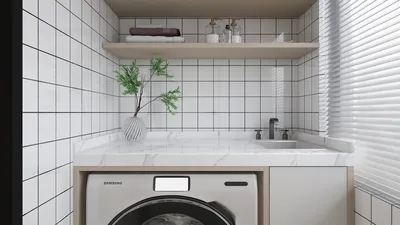


In an attempt to introduce greenery to a compact space, I once endeavored to fit a full-size ficus onto a tiny balcony after a client insisted that 'greenery enhances the perception of space.' Two months later, I found myself propping the branches out the window, which taught me a vital lesson about scale. This experience led me to combine small trees with smart room design ideas; selecting the right type can effectively add height, privacy, and unique character to a small home without feeling cramped, especially when considering tools like Homestyler for layout planning.
1. Dwarf Japanese Maple (Acer palmatum 'Shaina' or 'Kiyohime')
Japanese maples are among my favorites due to their artistic shapes and vibrant seasonal hues. Typically remaining under 8 feet tall, they thrive in large pots or snug corners, serving as living art that transitions from vibrant spring reds to stunning autumn displays.
Benefits: they offer year-round visual appeal and grow at a slow pace. Drawbacks: these trees prefer partial shade and consistent moisture — not ideal for an unattended balcony, but excellent if you adhere to a watering schedule and select a premium potting mix.
save pin
2. Dwarf Olive (Olea europaea 'Little Ollie' or similar)
Olive trees convey a Mediterranean ambiance without the need for vast spaces. The dwarf varieties are resilient against wind and drought once established, while their silver leaves provide a striking contrast on small terraces.
Benefits: low upkeep, evergreen charm, and some types produce modest fruits. Drawbacks: these trees require plenty of sunlight and winter protection in colder climates, so think about relocating pots to a sheltered space or using frost cloth when needed.
save pin
3. Columnar or Dwarf Fruit Trees (including apples, pears, and peaches)
For those prioritizing both beauty and functionality, columnar fruit trees are an excellent choice. I've crafted numerous petite courtyards where a singular columnar apple tree became a central feature while still allowing space for seating and potted herbs.
Benefits: a small footprint with seasonal blooms and fruit. Drawbacks: attention to pollination and pruning are required — however, an annual light trim coupled with some fertilizer generally keeps them thriving. When planning layouts for small patios, I often utilize simple sketches to analyze sightlines and sunlight, which helps mitigate planting errors.
save pin
4. Dwarf Citrus (like Meyer lemon or Calamondin)
Citrus trees are not only cheerful but also aromatic. Meyer lemons flourish exceptionally well in larger pots and adapt nicely indoors, given ample light. I once had a Meyer lemon nestled in a sunny kitchen corner, filling the space with fragrance—far more delightful than any candle.
Benefits: fragrant blooms, edible fruits, and attractive glossy foliage. Drawbacks: they require ample light and are prone to overwatering; ensuring good drainage and a sunny location is essential for their health.
save pin
5. Ficus microcarpa 'Ginseng' or Other Potted Ficus Varieties
For a touch of indoor greenery that mimics a small tree, certain ficus varieties are ideal. They can withstand pruning and can be shaped into a pleasing tree form, making them suitable for living rooms or home offices where vertical greenery is desired without overwhelming the space.
Benefits: they adapt well to indoor environments and can be easily shaped. Drawbacks: they may shed leaves when stressed (due to moving or drafts), and their sap can cause sensitivities in some individuals; gentle care and avoiding extremes in light and temperature are crucial. To visualize how a tree integrates into your layout, utilizing planning tools like Homestyler to map out trunk and canopy space can enhance circulation and furniture arrangement.
save pin
Tips 1:
Budget tip: opt for 15–25 gallon containers for small trees; they're more economical to replace soil and relocate than planting them in the ground. Practical advice: choose trees labeled as 'dwarf' or 'columnar' and align them with the required light levels: full sun for olives and citrus, dappled light for maples.
save pin
FAQ
Q1: What is the best tree for a tiny balcony?
For sunny balconies, dwarf olives or citrus trees are optimal choices; in shaded areas, a Japanese maple or a small ficus works effectively. Ensure that each tree matches the lighting and wind conditions for best results.
Q2: How large should the pot be for a small tree?
Starting with a pot size of at least 15–25 gallons is advisable for most dwarf trees to provide ample room for roots and stability. Use high-quality potting mix and ensure proper drainage to avoid root rot.
Q3: Can fruit trees thrive in containers?
Absolutely — many columnar and dwarf fruit varieties are specifically bred for container gardening and will both flower and bear fruit if provided with enough sunlight, water, and periodic feeding. Be sure to select a type suited for your local climate.
Q4: How frequently should I water a potted small tree?
Watering frequency varies by species, pot size, and season; generally, expect to water every 4–7 days during warmer months and less in winter. Check the top inch of soil — if it feels dry, it's time to water.
Q5: Do small trees require pruning?
Light annual pruning helps maintain shape and encourages blossoming; significant cutting is rarely necessary for dwarf varieties. I suggest pruning in late winter or after flowering, depending on the species.
Q6: Are indoor small trees safe for pets?
Certain trees (like some ficus and citrus varieties) may be mildly toxic to pets; always verify species-specific toxicity before placing them near inquisitive cats or dogs. If uncertain, it’s best to position the tree out of reach or opt for pet-friendly species.
Q7: How can I visualize tree placement in a small outdoor space?
Creating a simple sketch or utilizing a floor planner can be extremely beneficial — I often map the spread of the canopy and seating arrangements so that the tree serves as a highlight rather than an obstruction.
Q8: How do I select a tree species suited to my climate?
Refer to local hardiness guidelines; the Royal Horticultural Society provides area-specific advice and plant hardiness information (check out the RHS plant finder at https://www.rhs.org.uk for more details). This ensures the tree you select can withstand the temperature variations of your region.
save pin
Originally incubated at Autodesk, Homestyler has grown into one of the most widely adopted home design platforms in the world, now trusted by over 18 million users. Whether you're a homeowner exploring ideas or a professional designer delivering client-ready renders, Homestyler brings industry-leading 3D technology to your fingertips — no experience required.
Looking to transform your home? Homestyler offers an intuitive online design tool that allows you to create stunning spaces with ease. Enjoy impressive 3D renderings, explore inspiring design projects, and follow DIY video tutorials to bring your vision to life effortlessly. Start designing today!
Design Now for FREE
































