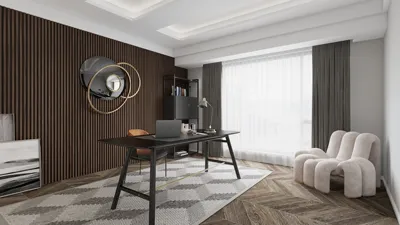


Once, a client approached me with a request for a living room that was both cozy and blended classic and modern aesthetics — all within the confines of an incredibly narrow space. It was a challenge that made me chuckle, but I quickly sketched a design that showcased the uniqueness of the space by incorporating historical proportions along with contemporary lines, utilizing subtle techniques that remain part of my toolkit today. For ease of understanding, I often share simple layout examples to help alleviate overwhelm and initiate the design conversation, sometimes drawing on the capabilities of tools like Homestyler.
1. Adopt a Serene, Layered Color Scheme
Transitional design flourishes when there's a harmonious blend: warm neutrals complemented by sharp accents. I typically select two main neutral shades along with one accent color — think soft greige, warm white, and a rich navy or olive. Then, I add various textures such as boucle cushions and linen curtains to prevent the small space from appearing flat. This strategy is straightforward and cost-effective, but it requires a disciplined approach to limit competing patterns to ensure the room doesn’t feel chaotic.
save pin
2. Focus on Slim, Proportioned Furniture
In limited spaces, scale becomes crucial. I prefer narrow sofas, low-profile armchairs, and open-legged consoles that seem lighter than bulkier furniture. A common mistake is overcompensating by making everything smaller; it's vital to include at least one inviting seating option to keep the room from feeling dollhouse-like. A well-selected sofa with moderate depth can significantly enhance the room's utility.
save pin
3. Incorporate Built-In and Multi-Functional Solutions
Built-ins and versatile furniture are essential for maximizing small living spaces. In one project, I developed a media wall that featured open shelving above paired with concealed storage below, effectively balancing display options and clutter control. While these solutions require more initial investment and planning, the benefits in functionality and timeless appeal are substantial, helping to retain clean transitional lines throughout the space.
save pin
4. Utilize Light and Mirrors to Enhance Space
Natural light serves as an ally in smaller rooms. I optimize daylight by using sheer curtains and strategically positioning mirrors to reflect brightness into dark corners. For precise visualization and to anticipate how reflections impact flow, I prefer creating true-to-scale renderings, allowing clients to grasp sightlines before final decisions. Both mirrors and layered lighting can dramatically elevate a space, but it's crucial to maintain a tidy environment as mirrored surfaces can amplify clutter.
save pin
5. Combine Classic Elements with Modern Simplicity
Transitional style is all about respectful contrasts: a minimalist modern coffee table in tandem with finely detailed crown molding, or a sleek light fixture above a traditional rug. To achieve this balance, I typically select one standout classic feature while keeping all other elements sleek. If you're looking for a rapid experimentation method, using AI-assisted tools like Homestyler can help generate multiple style pairings quickly, enhancing the design process without compromising on personal taste.
save pin
FAQ
Q1: What characterizes a small transitional living room?
I characterize it as a compact area that harmoniously blends traditional and contemporary elements while focusing on calm and functional layouts. It emphasizes proportion and subtle contrasts rather than relying on any single item.
Q2: How do I determine the right sofa size?
Measure your primary pathways and ensure there’s at least 30–36 inches in front of the sofa for easy movement. If space is limited, opt for sofas with slimmer arms and shallower depths.
Q3: Are rugs essential in a small transitional room?
Definitely — a rug anchors the seating area and helps define the space’s scale. Ideally, select one that allows the front legs of the furniture to rest on it at a minimum; having all furniture fully on the rug enhances cohesion, albeit at a higher cost.
Q4: How can I mix metals without creating discord?
Limit your selection to two metal finishes, positioning one as the dominant element and the other as an accent. Brushed nickel paired with warm brass often complements each other nicely in transitional settings.
Q5: What types of lighting layers should I incorporate?
Integrate ambient (overhead), task (reading lamps), and accent lighting (sconces or picture lights). Implementing dimmers is a small investment that can significantly enhance the ambiance and functionality of your space.
Q6: How can I maintain an uncluttered appearance?
Utilize built-in or concealed storage solutions, select a limited number of display items, and rotate your accessories with the seasons. In smaller settings, curating is often more vital than cluttering with extras.
Q7: Is the transitional style a safe bet for resale value?
In general, yes — transitional design appeals broadly as it strikes a balance between classic and modern tastes. According to the American Society of Interior Designers (ASID), neutral and well-proportioned interiors tend to attract a wider audience.
Q8: Can I handle a small transitional refresh on my own?
Absolutely. Begin with painting, switch out hardware, update lighting, and refresh textiles for impactful changes at a modest cost. If you’re uncertain about scale or layout, simple mockups, possibly with the help of Homestyler, can significantly guide your planning.
save pin
Transform your home design dreams into reality with Homestyler! This user-friendly online platform offers a robust design tool, stunning 3D renderings, and a wealth of DIY video tutorials. Whether you're a beginner or an experienced designer, Homestyler makes it easy to create beautiful spaces that inspire.
今すぐ无料でデザイン
































