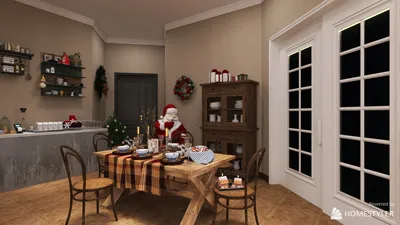


I find joy in designing in environments where life is more laid-back, faces are familiar, and the vistas appear broader. Small towns are more than just quieter versions of bustling cities; they represent unique communities characterized by affordability and a human-centered approach to design. When designed thoughtfully, these towns can foster a sense of safety, health, and connection among residents.
Building Trust and Community Engagement
Trust is nurtured quickly when individuals frequently encounter one another in shared spaces like post offices, libraries, or local markets. In workplace studies, Gensler has demonstrated that regular face-to-face interactions promote team effectiveness—a principle applicable to small towns where proximity helps maintain relationships. The choice of colors and lighting in communal spaces greatly impacts interactions; colors in the warm spectrum around 2700-3000K invite discussions, while well-planned sightlines can ease social dynamics. Adhering to the WELL v2 Light concept, proper circadian lighting not only enhances mood and sleep but also aligns with the innate social benefits nurtured by small-town life.
Economical Living and Smart Space Utilization
Affordable housing leads to innovative living solutions, transforming spare rooms into studios or garages into creative workshops. In designing compact spaces, I focus on functional proximity—keeping kitchens near entrances for effortless grocery drops and laundry close to bedrooms for efficient circulation. Research from Steelcase indicates that minimizing cognitive load boosts productivity; in residential settings, this translates to a more seamless organization and flow. Utilizing a layout tool for furniture and movement can help visualize sightlines and traffic patterns before finalizing arrangements.
Ensuring Safety and Comfort
A sense of community, often cultivated through familiarity with neighbors, enhances security—where 'eyes on the street' replace formal policing. I recommend designing porches that are 6-8 feet deep, providing both an invitation for conversation and a sense of personal space. Maintaining lighting levels of 5-10 lux for stargazing and 10-20 lux for safe path navigation ensures safety at night without overwhelming the nighttime sky; strategically placed light fixtures can diminish glare and protect the dark-sky environment.
Nature at Your Fingertips
In small towns, access to green spaces is often abundant, supporting physical and mental wellness. Trails and small parks create opportunities for breaks and promote healthy movement patterns that alleviate stress. Employing materials with low embodied carbon—locally sourced timber, lime plaster, and natural stones—fits well within the rural supply chain and adds an authentic touch. Thoughtful placement of windows enhances airflow and frames scenic views, deepening the home’s connection to its surroundings.
Reduced Noise for Enhanced Concentration
Acoustic comfort in small towns is about more than silence; it revolves around predictable soundscapes. With less urban noise, these towns provide a soothing background. In residential designs, utilizing soft surfaces like wool rugs and upholstered furniture helps to mitigate echoes. Keeping sound transmission class (STC) ratings of 55+ in bedroom walls can provide sound insulation, ensuring peaceful sleep and privacy even near cafés or lively streets.
Mobility at a Human Scale
The short commutes and pedestrian-friendly layouts in small towns allow residents to enjoy life more leisurely, shifting focus from time spent in cars to time spent on porches. I design with hybrid mobility in mind—providing bike storage at main entries, covered walkways, and outdoor lighting around 3000K to minimize harsh glare at night. Narrower streets and reduced speed limits ensure safe play areas for children and leisurely strolls for seniors.
Supporting Local Economies and Craftsmanship
Choosing to live in small towns often means purchasing directly from local artisans. I advocate for sourcing cabinetry, metalwork, and textiles from nearby makers, which not only shortens delivery times but also facilitates easy repairs by familiar hands. Investing in durable materials is vital, especially when budgets are constrained—opting for solid wood, mineral-based paints, and long-lasting hardware ensures longevity and sustainability.
Health, Color Use, and Luminescence
The principles of color psychology play a significant role in small-town homes: softer greens can inspire tranquility, warm neutrals promote social interactions, and shades of blue delineate focus areas. Access to natural light dramatically boosts well-being; according to WELL v2, ensuring visual access and glare management enhances mental comfort. I tailor interior color temperatures to 2700-3500K in living areas, utilize 4000K lights in kitchens, and incorporate dimmable features to facilitate a soothing atmosphere at night.
Designing Efficient Homes for Smaller Spaces
Compact living areas can feel expansive when designed with appropriate proportions: a room length-to-width ratio of 1.5-2.0:1 and a circulation-to-program area ratio of 0.4-0.6 in open plans promote spatial functionality. For multipurpose spaces like home offices and guest rooms, I choose mobile furniture options, wall-mounted desks, and convertible beds. Utilizing an interior layout planner like Homestyler can aid in testing different arrangements for optimal light, sound, and flow before making any commitments.
Emphasizing Sustainability and Durability
Smaller towns may have limited service infrastructure, necessitating resilience in home designs. I prefer materials that naturally age well—such as oiled flooring and modular storage solutions. Features like rainwater harvesting, passive shading, and appropriately sized HVAC systems reduce the need for specialized services while lowering monthly expenses.
If you seek familiarity, routine, and a connection with nature, small-town life offers a peaceful alternative. By incorporating thoughtful design choices—ranging from human-scale lighting to functional layouts and lasting materials—the benefits of such living arrangements multiply exponentially over time.
Frequently Asked Questions (FAQ)
Q1: How does lighting impact well-being in small-town residences?
A: Using warmer lighting (2700-3000K) in living spaces promotes relaxation, while 4000K lighting in work areas aids in clarity. Following the WELL v2 principles for circadian lighting stabilizes mood and sleep.
Q2: What strategies can make smaller homes feel more spacious?
A: Design clear circulation paths, align openings to enhance sightlines, and utilize multifunctional furniture. Tools like a room design visualization platform can help validate your layout before purchase.
Q3: Do small towns facilitate remote work more effectively?
A: The quieter environment and shorter commutes enhance focus. Adequate acoustic separation (aim for STC 50-55 for partitions) and control over daylight are critical to minimize glare during video conferences.
Q4: How can I lessen my dependence on cars?
A: Opt for homes within a 5-10 minute walk of necessities, provide bike storage, and implement 3000K outdoor lighting for a comfortable walking experience after dark.
Q5: Which colors are best suited for compact spaces?
A: Soft greens and warm neutral tones promote calmness and social ease, while varying shades of blue can delineate work areas. For further insights on color psychology, consider exploring resources like Verywell Mind.
Q6: Is affordability the primary benefit of small-town living?
A: While affordability is crucial, the long-term benefits—such as community trust, reduced noise, easy access to nature, and stable routines—often carry more significance.
Q7: How can I maintain privacy in closely-knit communities?
A: Design porches that are 6-8 feet deep, incorporate layered landscaping, and arrange interiors to avoid direct lines into private areas. Solid-core doors and rug overlays can enhance acoustic privacy.
Q8: What materials hold up well in rural settings?
A: Durable options include solid wood, galvanized metals, mineral-based paints, and lime plaster. Prioritizing repairable components over disposable materials is vital.
Q9: How can lighting minimize nighttime glare in quieter neighborhoods?
A: Utilize shielded fixtures, select warmer color temperatures, and aim for path illumination of around 10-20 lux to maintain safety while preserving dark-sky aesthetics.
Q10: What are effective strategies for designing a multipurpose room?
A: Employ zoning techniques via rugs, use mobile storage solutions, and consider foldaway sleeping arrangements to maintain room adaptability. Testing flow and adjacency using a layout simulation tool like Homestyler is beneficial prior to implementation.
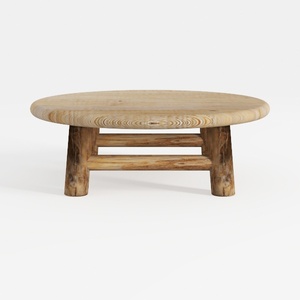

Rustic Solid Wood Round Coffee Table 3D Model
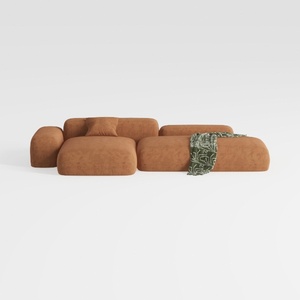
Minimalist Brown Fabric Modular Sectional Sofa 3D Model

Minimalist Solid Wood Fabric L Shape Sectional Sofa 3D Model
Homestyler is your ultimate online home design companion! With its user-friendly design tool, stunning 3D renderings, and a treasure trove of inspiring design projects and video tutorials, creating your dream space has never been easier. Dive in and spark your creativity today!
Diseño ahora GRATIS
































