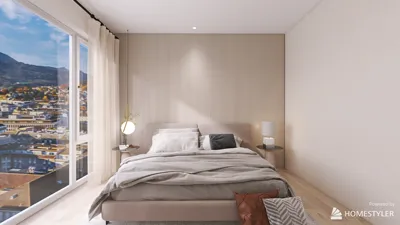


A client once requested that I transform a closet into a space reminiscent of a Broadway stage, which instantly brought to mind the work of Donald Holder. As a talented lighting designer, he has demonstrated how focused illumination and layered scenes can create a cinematic ambiance, even in the smallest environments. When working with limited spaces, creativity is essential, and that’s where concepts like Holder’s precise washes and accent lights truly excel.
1. Layered lighting for added dimension
Donald Holder expertly employs a combination of washes, specials, and accents to sculpt performances on stage. I adapt this technique for interior spaces by integrating ambient ceiling lighting, under-cabinet strips, and a targeted reading lamp to foster depth in compact kitchens or studios. This layered approach creates versatile mood settings, although a simple control system is necessary to prevent a chaotic switch-flipping routine each evening.
save pin
2. Direct accents to emphasize functional areas
On stage, Holder meticulously isolates scenes using tight spotlights. In small homes, I replicate this by positioning focused pendants above dining areas or breakfast bars, creating a sense of purpose for each zone. This method is not only visually striking but also budget-friendly; just ensure glare angles are checked to minimize any uncomfortable lighting spots.
save pin
3. Warm-to-cool transitions for seamless flow
Holder frequently alters color temperatures to guide audience attention. I similarly use warmer lighting near seating areas and cooler task lights in workspaces to establish a natural flow in compact layouts. Though subtle, this method is impactful; selecting fixtures with consistent color rendering is crucial to ensure that skin tones and materials appear true to life.
save pin
4. Dimmer presets for adaptable atmospheres
Theatrical lighting excels at creating scenes, which inspires me to set up dimmer presets for smaller homes: bright cooking, relaxed dining, and movie settings. This allows homeowners to enjoy theatrical lighting control in daily life. While smart dimmers can represent an initial investment, the convenience they offer is often well worth it for clients.
save pin
5. Reflective surfaces to boost light
Holder takes advantage of scenic reflections; at home, I suggest using glossy backsplashes, mirrors, and light-hued cabinetry to reflect light into dim corners. This strategy can effectively amplify a small room’s feel without requiring additional fixtures. However, be cautious of unwanted reflections caused by glossy tabletops or screens; strategic placement is essential.
For a quick sketch of these zone ideas, I frequently use an online room planner to experiment with fixture placements before finalizing decisions.
save pin
Lighting Tips for Small Spaces:
When planning a lighting layout in a compact apartment, I recommend utilizing the 3-point approach: ambient, task, and accent lighting. When uncertain, adding a dimmer and opting for warmer light tones in living areas can enhance comfort. I have helped clients save both time and money by creating quick mockups, avoiding issues like overly bright spots or shadowy countertops later on.
save pin
Frequently Asked Questions
Q1: What makes Donald Holder notable in lighting design?
A1: Donald Holder is a Tony-winning lighting designer recognized for his masterful use of layered, narrative-driven illumination that enhances focus and atmosphere.
Q2: Are theater lighting principles applicable in home design?
A2: Definitely — strategies like layering, focused accents, and scene creation transition smoothly into residential settings, especially in smaller areas.
Q3: Are smart dimmers essential for creating layers of light?
A3: While not mandatory, smart dimmers simplify the management of multiple light layers and enhance everyday usability.
Q4: What color temperatures work best for small living spaces?
A4: Warmer tones (2700K–3000K) tend to make cozy smaller living areas, while cooler tones are ideal for task-oriented spaces like kitchens.
Q5: How can I reduce glare from focused lighting?
A5: Ensure pendants and spotlights are positioned so that the light source is not directly visible from seating areas, and consider using diffusers or shields as necessary.
Q6: Where can I explore small-space layout and lighting ideas online?
A6: I often use a room planner for testing fixture and furniture placements before making any purchases.
Q7: Are there good resources available for lighting design?
A7: Absolutely — the IES Lighting Handbook (10th Edition) by the Illuminating Engineering Society is the definitive reference for industry guidelines.
Q8: How can I select fixtures that emulate theatrical lighting quality?
A8: Look for high CRI (90+) LEDs with adjustable beam angles and compatible dimmers; testing samples in your own space is key to achieving the desired effect.
save pin
Homestyler is your go-to online home design platform! With its easy-to-use design tool, stunning 3D renderings, and a wealth of design projects and DIY video tutorials, you can effortlessly create your dream space. Transform your ideas into reality today!
立即免费设计
































