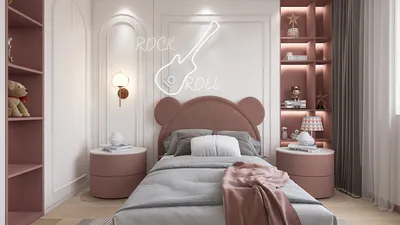


I view small-space design as an intricate dance involving light, ergonomic efficiency, and purposeful living. The aim is to craft areas that feel expansive without increasing square footage—achieved through thoughtful sightlines, intelligent storage solutions, and versatile furniture. In confined spaces, even a minor 2-inch adjustment in circulation or a shift of 300 lumens in task lighting can transform a room from cramped to serene. Utilizing tools like Homestyler can greatly aid in visualizing these changes.
Research consistently reveals that the quality of an environment significantly influences a room's functionality. According to the WELL v2 Lighting concept, optimal ambient light levels for general areas fall between 150–300 lux, with task zones requiring higher illumination for better visual acuity. This distinction is crucial in smaller rooms where one fixture often serves multiple purposes. Additionally, Steelcase's studies highlight that visual control and clear boundaries help mitigate cognitive load—especially important in shared compact spaces—by enabling occupants to effortlessly find and utilize resources.
Define the Spatial Purpose First
I begin by identifying primary and secondary functions: sleep + read; cook + dine; work + entertain. Once the intentions are set, zoning becomes more defined and storage aligns with user behaviors. In studio layouts, a ratio of 60:40 for core versus flexible uses generally proves effective, dedicating 60% to the main activity and 40% to transitional needs (like guest sleeping or a folding desk). If you're uncertain about flow before making purchases, consider utilizing a room layout tool such as Homestyler to visualize clearances and pivot points around entryways and storage areas.
Layered Lighting to Enhance Perception
Compact rooms thrive on layered lighting approaches. I combine indirect ambient light at 200–250 lux with task lighting ranging from 500–1000 lux for reading, meal preparation, or office work, carefully managing glare with matte diffusers and well-placed sources. Harnessing daylight effectively adds perceived square footage—using reflective, low-gloss finishes can help cascade light deeper into the space, while ensuring vertical window planes remain visually light. A color temperature of around 3000–3500K balances warmth with clarity; in kitchens with white cabinetry, a cooler 4000K can work, but I introduce warm accents to maintain comfort. For practical reference, always align with the WELL v2 Lighting standards.
Understanding Color Psychology for Space and Tranquility
The color palette serves as a lens through which spatial mood is viewed. Employing soft mid-tone neutrals can diminish harsh visual edges, allowing walls to fade away. Strategic accent colors can guide the eye throughout the space—whether it's a vibrant cushion catch near the entrance, a cohesive color scheme on a bookshelf, or a piece of art that defines a seating area. Research from Verywell Mind indicates that warm colors can enhance feelings of coziness, while cooler tones promote calm and focus, making it beneficial to blend a muted warm base with calming cool accents in smaller rooms.
Considerations of Human Factors: Clearances, Reach, and Rhythm
Ergonomics are key to ensuring comfort in small spaces. Aim for 30–36 inches of clearance for primary circulation whenever feasible; in less-trafficked zones, 24–28 inches may suffice if doors can remain unobtrusive. Keep work surfaces at a comfortable height of 28–30 inches for seated tasks and around 36 inches for culinary activities. Vertical storage should focus on the 20–70 inch range for frequently-used items, reserving higher shelves for seasonal necessities. Establishing a rhythm involves maintaining a consistent pattern of solid and void spaces—closed storage below paired with open display above—to reduce visual clutter and enhance the room's spaciousness.
Multi-Functional Furniture with Realistic Dimensions
In compact rooms, select one piece of multifunctional furniture and ensure the rest are scaled appropriately for stability. Some examples include a lift-top coffee table that doubles as a dining surface, a panel bed with drawers for storage, or a wall-mounted drop-leaf desk that can be paired with a slim chair that neatly tucks away. Maintain sofas under 80 inches in narrow living areas, and opt for dining tables that are no more than 30 inches deep when positioned against a wall. Armless lounge chairs can also promote cleaner lines of sight, while deep sectionals should be avoided unless the 30-inch circulation minimum can be preserved.
Elevate Storage with Vertical Solutions and Soft Dividers
Aim to take storage upwards rather than outward. Full-height wardrobes with built-in lighting can minimize visual chaos. Use shallower shelving for books and baskets, as depth exceeding 12 inches can quickly become overwhelming. For areas that require separation, such as sleep versus work zones, implement soft dividers like slatted screens, translucent polycarbonate, or draped fabrics. Acoustic felt panels can also serve a dual purpose of being decorative while controlling sound in small living areas, ensuring that partitions remain light to allow daylight to filter through.
Acoustic Considerations in Highly Functional Rooms
Compact spaces often lack sufficient air volume to adequately dissipate sound. To tackle this, layer soft materials: dense pile area rugs, upholstered furniture in woven fabrics, and lined draperies to absorb higher frequencies. When hard flooring is present, use area rugs sized to the seating footprint to bolster auditory clarity. For small media setups, adding targeted acoustic panels at primary reflection points ensures that spaces can transition from social gatherings to focused work with minimal fatigue.
Material Selection: Low-Sheen, Durable, and Luminescent
My preference leans toward low to mid-sheen finishes, as they both diffuse light and minimize fingerprints. Utilize matte laminates for kitchen cabinetry, oiled woods for a warm tactile feel, and washable paints in frequently-touched areas. Sustainability is crucial; opt for durable materials with repairable surfaces—like solid wood that can be refinished, slipcovers that can be cleaned, and hardware that can be tightened. In bathrooms, use compact porcelain tiles laid vertically to elongate visual lines; in living spaces, narrow plank flooring can also contribute to a sense of length.
Storage Reflecting Daily Needs
Map out daily routines around items like bags, keys, mail, laptops, and workout gear. Create micro-stations at the natural entry points—whether it be an 8–12 inch deep console with hidden trays, a wall-mounted hook system with an overhead shelf, or a narrow drawer unit below a bench. Inside closets, utilize modular inserts with adjustable shelving to ensure adaptability over time. Simple labeling serves as an unobtrusive design element—subtle tags can help maintain order without becoming visually distracting.
Small Kitchen Design: Preparation, Illumination, and Flow
In galley or minimalist kitchens, maintain continuous workflow by keeping prep zones together—such as the sink, cutting space, and cooktop—to ensure efficient movement. Install under-cabinet lighting providing 500–750 lux to minimize shadows and strain. If storage is limited, implement a rail system above the counter to keep essential tools within easy reach without occupying valuable counter space. Visually, ensure consistent horizontal lines across upper cabinets to create an illusion of width, while introducing a singular vertical accent, like a tall pantry or artwork, to ground the arrangement.
Compact Bedrooms: Sleep Comes First, Storage Second
Prioritize functionalities that support sleep hygiene: a supportive mattress, adequate ventilation, and glare control. Blackout options are essential if streetlights seep into the room. Rather than bulky nightstands, integrate shelves into the headboard design to minimize footprint, and consider headboards with shallow shelves for books and glasses. Position art above the headboard to create a feeling of height in the space. If a workspace is necessary, a fold-down panel opposite the bed can help to reduce glare and limit encroachment on rest areas.
Designing Living Rooms: Focus on Sightlines and Social Arrangements
Configure seating arrangements to form a social triangle—sofa, chair, and focal point—with a clearance of 16–18 inches between the coffee table and the seat edge for comfortable access. Anchoring the arrangement with a rug that fits the grouping is recommended, and floating furniture away from the walls can create a sense of depth; even a modest 4–6 inch gap can achieve this. Additionally, using a media unit with tambour doors or fabric fronts can mitigate the presence of technology, improving the overall aesthetics of the space. Should you want to explore alternative layouts, using an interior layout planner like Homestyler can expedite the visualization process.
Micro Office: Focus, Cable Management, and Lighting
Compact work areas benefit from managing cables efficiently. Place a power strip underneath the desk, guide wires through grommets, and limit the visible cords to a single connection from the laptop. A glare-free, adjustable task light should target 500–750 lux at the work surface. Pair an ergonomically designed chair with a compact 24–30 inch deep desk. It's helpful to maintain one touch-free storage unit for papers and peripherals, as creating a visually quiet workspace directly impacts concentration in smaller settings.
Entryways: Creating an Inviting Impression While Maintaining Function
In petite homes, entries conduct significant functions. A wall-mounted shelf with a shallow drawer, a mirror to reflect light, and a shoe tray underneath a bench can help maintain an organized area. Incorporating a coat hook rail with a designated capacity helps to manage incoming items. A soft runner should be placed to absorb sound while drawing the eye into the home.
Design Trends for 2024–2025 Favoring Smaller Spaces
Current trends reflect grounded palettes featuring earthy tones mixed with soft cools, translucent partitions, and compact modular seating on the rise. Textural variety—such as bouclé, ribbed wood, and matte stone—adds visual depth without weight. Lighting options with tunable white capabilities are now more widely accessible, allowing shifts that align with circadian rhythms in small homes. These trends resonate with the growing demand for multipurpose rooms that effortlessly transition from work to rest to hosting events.
Putting It All Together: A Compact Room Example
For a studio measuring 180 square feet: position a 74-inch sofa paired with a lift-top table, a slim media console with felt fronts, a wall desk across from the sofa, and a panel bed featuring drawers. For lighting: ambient illumination from a cove or uplight floor lamp at around 200 lux, a task lamp at the desk providing approximately 600 lux, and blackout drapery combined with light-filtering sheers. Palette choices might include warm sand for walls, sage textiles, with graphite accents integrated throughout. Storage solutions should consist of a full-height wardrobe fitted with interior LEDs and overhead shelving at a depth of 12 inches, with circulation paths maintained at 32 inches wide from door to window, complemented by a soft separator to reduce glare at the workstation.
Frequently Asked Questions
Aim for at least 30–36 inches in main traffic routes and 16–18 inches between seating and coffee tables. If compressing to below 30 inches in a pass-through area, ensure that doors and drawers don't obstruct access.
Layer your lighting by using ambient sources around 200–250 lux paired with task lighting ranging from 500–1000 lux. Remember to shield light sources and utilize low-gloss finishes for optimal diffusion. The WELL v2 guidelines affirm these ranges for both comfort and visual acuity.
Employ a color temperature of 3000–3500K in living and bedroom areas to strike a balance between warmth and precision; for kitchens and workstations, 3500–4000K is suitable when matched with warmer accents to prevent a sterile atmosphere.
Only when they hinder circulation and flow. If maintaining about 30 inches of clear pathway isn't possible, opt for a compact sofa alongside an armless chair to keep lines of sight unbroken.
Root your storage design with closed lower units while showcasing curated items above. Limit open shelving to essential items, and group colors intentionally to create focal points.
Aim for cable depths of 24–30 inches, incorporating grommets and under-mounted power strips. Complement this with an ergonomic chair and an adjustable task light providing around 500–750 lux at the workspace.
Utilize a shallow console that includes a drawer, a fixed-capacity coat hook rail, and a bench featuring concealed storage. Incorporate a mirror to reflect light, accompanied by a soft runner to dampen sound.
Implement breathable dividers, such as slatted screens, transparent panels, or drapery systems, preserving daylight while helping to shift the psychological cues between rest and focus.
Select finishes that are low to mid-sheen and washable; prefer matte laminates, oiled woods, and durable fabrics. Such choices diffuse light, conceal fingerprints, and endure regular wear.
Indeed, a plush rug sized to the seating footprint aids in noise absorption while stabilizing speech, particularly in settings with hard flooring.


Homestyler is your go-to online home design platform, perfect for transforming your ideas into reality. With its user-friendly design tool, stunning 3D renderings, inspiring design projects, and informative video tutorials, creating your dream space has never been easier. Start designing today!
今すぐ无料でデザイン
































