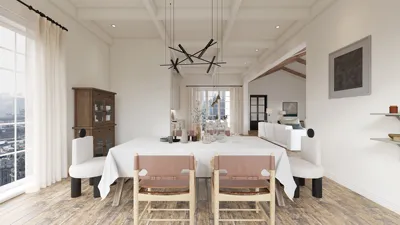


Small spaces do not limit your style choices; rather, they refine them. When shopping for couches, I focus on designs that offer versatility, conceal functionality, and maintain a lightweight appearance. In compact environments, the right sofa can dictate movement flow, establish a cohesive color scheme, and create extra storage while avoiding clutter.
Maximizing space efficiency goes hand in hand with ensuring comfort. Research from Steelcase reveals that 87% of individuals regard comfortable seating as key to concentration and overall well-being, an insight that easily translates to residential living spaces where multifunctional seating is essential. Lighting also plays a crucial role in spatial perception: the IES suggests that ambient lighting levels in living areas should be maintained around 100–300 lux, with task lighting exceeding 300 lux—this balanced approach helps minimize hard shadows, making small rooms feel larger. I always keep these levels in mind while selecting materials and shades for sofas, aiming for fabrics that enhance light reflectance rather than absorb it.
Choosing colors is pivotal for spaces with multiple functions. According to Verywell Mind, cooler shades like soft blues and greens promote a sense of calmness and spaciousness, while warm neutrals create a welcoming atmosphere without overwhelming the senses. I often opt for a low-profile couch in a cool neutral palette paired with warm wooden details to keep the space open yet inviting, adjusting the colors according to the room's natural daylight and artificial lighting.
Select Compact Proportions with Clarity
A small-space couch should have a lower, slimmer profile. Ideal dimensions range from an overall depth of 32–36 inches and seat heights of 16–18 inches to prevent a bulky appearance. With narrow arms (3–5 inches) and exposed legs, you create visual openness, allowing light to flow around and beneath the couch. I prefer bench-seat cushions as opposed to multiple t-cushions; this seamless design minimizes visual clutter, giving a tailored look to petite sofas.
Modular and Armless Designs Sustain Flow
In studio apartments or micro living rooms, armless loveseats and modular pieces maintain unobstructed pathways. A right- or left-facing chaise module extends lounging options without taking up much floor space. When devising layouts, utilizing a room design tool, such as an interior layout planner, helps assess circulation routes, door swing space, and sightlines prior to making purchases. I recommend leaving at least 30–36 inches for main pathways to ensure easy navigation throughout the room.
Multi-Function: Incorporate Storage and Sleeper Options
Sofas with lift-up seat storage provide easy access to blankets, books, or games without the need for additional furniture. For rooms that may host overnight guests, compact sleeper sofas equipped with a tri-fold memory foam mattress are ideal as they avoid bulky frames. I prefer designs that allow for forward opening without needing to shift the couch, which helps maintain the existing layout and protects flooring over time.
Lightweight Frames with Elevated Bases
Choosing thin-profile steel or hardwood frames with tapered legs gives the sofa a sense of lightness. A leg height of 6–8 inches enables light to pass underneath while keeping robot vacuums and cleaning tools effective in smaller homes. Open bases also assist with acoustic balance, preventing dust accumulation by allowing easier cleaning and reducing clutter in the long run.
Fabrics, Colors, and Care
Performance fabrics with over 30,000 double rubs (Wyzenbeek) are designed to endure daily use, while tighter weaves enhance light reflection, helping to create an airy ambiance. I prefer a cool neutral base—such as stone, fog, or light slate—paired with a single vibrant accent cushion, steering clear of overly busy contrasts. In rooms with warmer color temperatures (2700–3000K), I incorporate cream and camel tones; while in cooler light (3500–4000K), greige and soft charcoal shades become my go-to.
Optimize Depths and Back Support
Achieve a harmonious balance between lounging comfort and spatial constraints. With depths of 32–34 inches, a lightly reclined back and seat depth of 20–22 inches allow for comfortable seating without overwhelming the floor area. Ergonomically supportive back cushions are essential for the lower thoracic region to prevent slouching. For taller individuals, incorporating a removable headrest module as needed can enhance support without adding visual weight to the couch.
Effective Corner and Chaise Solutions
In square spaces, opting for a compact L-shaped sectional with a chaise can replace a traditional coffee table and serve as a comfortable spot to lounge. The chaise can slide under a compact nesting table, while in longer narrow areas, positioning a two-seat sofa along the longer wall with a lightweight lounge chair opposite maintains a 30–36 inch path for movement and enhances visual depth.
Utilize Color Psychology in Limited Spaces
Muted colors respond effectively in small areas. Desaturated blues and greens are noted for enhancing the sense of openness; Verywell Mind emphasizes their calming influence that helps in reducing visual fatigue. I often employ a monochromatic scheme with subtle differences in gloss between wall colors and upholstery fabric, creating a cohesive look that feels separate yet integrated. Controlling gloss levels is essential, as too much shine can produce glare, diminishing the depth perception.
Layer Lighting for Enhanced Volume
Ambient lighting clarifies spaces, task lighting establishes zones, and accent lighting adds dimension. Following IES standards, I aim for ambient levels of around 150–250 lux, while task lamps should be placed at 300–500 lux for reading tasks. A sleek-armed couch works best when ambient light touches its sides, reducing stark contrasts at floor level. Warm lighting at 2700–3000K feels residential, while cooler tones complement grayscale palettes, avoiding unwanted color casts.
Acoustic Comfort in Cozy Spaces
Compact rooms can amplify noise levels. I recommend a couch with soft, dense fillings (high-resilience foam layered with fiber) to absorb mid to high frequencies, promoting clear speech. Pairing this with a low-pile rug and soft window treatments aids in controlling sound reflection, allowing for comfortable conversation volume without straining voices.
Sustainable Materials and Choices
I emphasize materials like kiln-dried hardwood frames, low-VOC finishes, and textiles that are eco-friendly. Selecting removable, washable covers can extend the lifespan of the couch and minimize replacement needs. Whenever possible, choose cushion cores that can either be restuffed or replaced, as modular maintenance adds value in small-living scenarios where pieces are consistently used.
Style with Tables, Rugs, and Vertical Elements
Ensure that supporting furnishings scale with the sofa. Opt for nesting tables instead of a large coffee table to maintain open pathways. A subtle-bordered rug defines the seating area while preventing visual overflow. Elevating wall shelves above arm level can release valuable floor space and draw the eye upward, enhancing the perceived airiness of the room.
Strategize Placement and Layout Assessment
Position a slim sofa 6–8 inches from the wall to create depth and air circulation. In asymmetric rooms, angle the couch toward the primary light source to balance brightness across seating areas. Before finalizing arrangements, try validating the configurations using a layout simulation tool to check clearances, sightlines for media, and maintaining a conversational distance of 6–8 feet.
Trends for 2024–2025
The future of small-space living is being reshaped by compact, modular couches that include integrated charging capabilities, durable textiles, and adaptable ottomans. We’re seeing a rise in low-profile silhouettes with rounded edges to soften paths and versatile slipcovers that facilitate seasonal updates without total replacements. The most sought-after designs blend functionality with an understated, elegant aesthetic.
FAQ
Aim for widths between 60–78 inches and depths of 32–36 inches for optimal comfort. Narrow arms and exposed legs will keep the overall profile light while ensuring coziness.
Yes, if you select a two-piece sectional with a single-arm chaise while allowing circulation paths of at least 30–36 inches. It’s advisable to test the configuration using a digital planner prior to purchasing.
Maintaining ambient lighting around 150–250 lux and task lighting above 300 lux helps reduce harsh shadows on slim sofas, making the space feel larger. Align the color temperature of lighting with upholstery tones for optimal balance.
Choose performance textiles with 30,000+ double rubs and tight weaves to endure wear while reflecting light effectively, making them ideal for small, heavily trafficked areas.
Absolutely, just ensure the base fabric of the couch is neutral and add vibrant accents through pillows or throws. Cooler shades like soft blues foster a sense of calm and airiness.
A seat depth of 20–22 inches strikes the right balance between comfort and support. Pair this with a seat height of 16–18 inches to accommodate various users.
Opt for couches with lift-up seats or built-in drawers for extra storage. Complement this with nesting tables and wall-mounted shelves to keep the floor clear.
Armless designs enhance width conservation and aid circulation. Incorporating a bolster or weighted armrest tray allows for support during reading sessions; ensure one lounge chair has arms for a variety of posture options.
Arrange seating 6–8 feet apart and angle pieces toward the primary light source. Confirm at least a 30–36 inch clearance through the room for effortless movement.
Soft textiles with dense cushion fills help absorb mid-to-high frequencies for better speech clarity. Pair the sofa with a rug and drapes to control reverberation levels.
Choose frames made from kiln-dried hardwood, finishes that utilize water-based solutions, textiles with low VOC emissions, and cushions that can be replaced or refreshed to enhance durability and minimize ecological impact.
Select a tri-fold memory foam mechanism that opens towards the front without moving the base. Verify clearance using a digital layout tool prior to purchasing.

Minimalist Tan Leather L-Shaped Sectional Sofa 3D Model

Minimalist Tufted Leather L Shape Sectional Sofa 3D Model

Mid-Century Dark Green Velvet Solid Wood 3 Seater Sofa 3D Model
Homestyler is an amazing online home design platform that makes creating your dream space easy and enjoyable. With its user-friendly design tool, stunning 3D renderings, inspiring design projects, and helpful video tutorials, you’ll find everything you need to bring your vision to life!
지금 무료로 디자인하세요
































