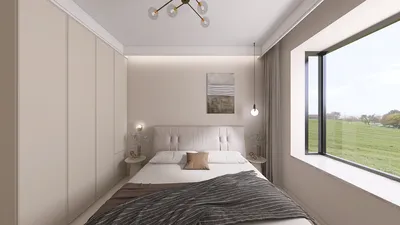


In one instance, I decided to hang a massive landscape painting above a small sofa because the client firmly believed that larger is better. The result was a humbling experience when the artwork dwarfed the couch entirely. This taught me the importance of checking proportions beforehand, sometimes utilizing a simple visual wall mockup before making any permanent placements. Small areas compel us to make smarter design decisions, and it is often from these challenges that my most beloved ideas emerge.
1. Mini Gallery Wall, Big Personality
I enjoy arranging small artworks in a compact group above a console or bed; viewed from a distance, they appear as one cohesive piece but reveal intricate details up close. The beauty of this approach lies in its flexibility — you can change frames or artworks according to the seasons. The key challenge, however, is to design the grid so that it maintains a clean look. A helpful tip is to initially lay the pieces on the floor to find the right balance and take a photo of the arrangement for later reference.
save pin
2. One Oversized Statement Piece
Using a single, slightly larger painting can serve as an anchor for a room, making a compact space feel purposeful rather than congested. This technique simplifies styling and reduces visual distractions, though it requires commitment to a singular color palette. For those on a budget, opting for a high-quality canvas print can provide the dramatic effect of size without the hefty price tag of an original.
save pin
3. Layer Art with Mirrors and Shelves
When wall space is limited, I like to stack art pieces on narrow picture ledges alongside a mirror or a small sculpture to create depth. The mirror reflects light and integrates the art into the room, while shelves allow for easy rotation of artwork. If clutter is a concern, choose a unifying element, such as a matching frame color or a consistent accent tone, to keep everything visually harmonious. Using a render in tools like Homestyler can help visualize how the reflections and overlays will interact.
save pin
4. Paintings as Room Color Palette
I often select a painting first and derive three accent colors from it for coordinating fabrics, rugs, and cushions; this is an efficient method to achieve a cohesive look in a small area. The benefit of this technique is a well-curated, designer-like outcome; however, it does limit spontaneity — I always keep one element aside for a surprise twist. Pro tip: photograph swatches next to the painting under the room's lighting to avoid any color surprises.
save pin
5. Rotating Art Display with Smart Layout
Not every artwork needs to be a permanent fixture. I develop rotation plans that include seasonal themes or monthly changes for clients seeking variety. This approach keeps a compact space feeling refreshing without the need for expensive renovations. Moreover, modern design tools can assist in previewing arrangements with AI features, allowing you to assess scale and placement before final decisions. The only downside is the need for storage space — ensure you have a dry, flat area for artwork being swapped out.
save pin
FAQ
Q1: What size painting should I select for a small room?
A1: It is advisable to choose a painting that occupies about two-thirds to three-quarters of the width of the furniture it is placed above, or consider a vertical piece to draw the eye upward and create an illusion of height. If uncertain, mock up the dimensions using paper and tape them to the wall for guidance.
Q2: How high should I position my paintings?
A2: A widely accepted museum standard centers artwork at about 57 inches (145 cm) from the ground; this 'gallery height' positions pieces comfortably at eye level in most homes (source: Getty Conservation Institute, https://www.getty.edu). Adjust slightly for lower or higher ceilings to maintain visual balance.
Q3: Is it possible to mix different art styles in one room?
A3: Absolutely — combining styles can create a curated feel if you tie them together with a consistent frame color or repeating accent tones. Being mindful of scale and spacing helps avoid a jarring visual experience.
Q4: How can I protect paintings from sunlight?
A4: To protect artworks, avoid prolonged exposure to direct sunlight and use UV-filtering window films or curtains when necessary. Consider positioning light-sensitive pieces on walls away from morning or afternoon sun for longevity.
Q5: Are prints as impactful as original artwork?
A5: High-quality prints can provide the same visual appeal at a fraction of the cost and are ideal for large-scale demands or temporary trends; ensure proper mounting and framing to elevate their presentation.
Q6: What type of framing is best for small spaces?
A6: Utilizing slim, minimalist frames or floating frames ensures the focus remains on the artwork without adding unnecessary bulk; in especially small rooms, opt for lighter colors to avoid creating a heavy visual presence.
Q7: How frequently should I change my artwork?
A7: There are no hard and fast rules — some of my clients rotate their art seasonally or every few months to keep their spaces vibrant. For collectors, a monthly rotation can evoke the feeling of residing in a personal gallery.
Q8: Where can I discover affordable original art pieces?
A8: Local art fairs, student exhibitions, and online platforms showcasing artists are great sources for budget-friendly originals; establishing connections with emerging artists not only enhances your collection but also supports the creative community.
save pin
Discover your dream space with Homestyler! This user-friendly online design platform offers a powerful design tool, stunning 3D renderings, inspiring design projects, and helpful DIY video tutorials. Whether you're a novice or a pro, Homestyler makes home design accessible and enjoyable for everyone.
지금 무료로 디자인하세요
































