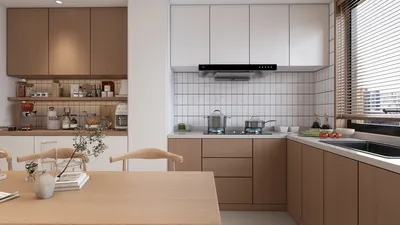


When searching for small-room air purifiers, key attributes include a reliable Clean Air Delivery Rate (CADR), whisper-quiet performance, and long-lasting filters, all while maintaining a compact design. In limited spaces, factors like airflow patterns, sound levels, and unit positioning are as critical as the specifications themselves. Integrating a strategic tool like Homestyler can aid in visualizing optimal placements.
Enhancing Air Quality in Small Spaces—Key Factors to Consider
The quality of air through effective ventilation and filtration greatly influences both cognitive performance and comfort levels. Research highlighted by Herman Miller illustrates that maintaining optimal air quality can lead to enhanced task performance and decreased fatigue, which is particularly beneficial for home offices and bedrooms where time is spent extensively. The WELL v2 Air concept offers clear benchmarks for particulate matter, emphasizing that keeping PM2.5 levels within recommended limits is crucial for respiratory health.
Noise levels are also essential, particularly in bedrooms. Insights from Steelcase reveal a strong link between acoustic comfort and enhanced focus; therefore, in small environments, the sound produced by an air purifier can significantly impact comfort. It’s advisable to prioritize units that operate at sub-40 dB on low settings, ensuring uninterrupted rest and productivity.
The arrangement of lighting and unit positioning can enhance overall comfort perception. Following IES guidelines for residential lighting, controlling glare and utilizing a warm color temperature (2700–3000K) during evening hours can support natural circadian rhythms. Ensuring that an air purifier has dimmable indicators and is positioned to avoid obstructing airflow from task lighting is essential. For compact spaces, employing a room layout tool such as Homestyler can be instrumental in avoiding airflow dead zones and door swing issues.
Best Choices for Small Rooms (150–250 sq ft)
Seek out air purifiers featuring a true HEPA H13 filter, a CADR for smoke/pollen/dust in the range of 120–200 CFM, and a design that prevents air bypass. I favor models with dedicated pre-filters to capture larger particles and extend the lifespan of HEPA filters—especially ideal for nurseries and bedrooms. Additional features like a child-lock, a dimmable display, and a sleep mode operating below 30 dB are vital.
For bedroom-specific models, adding activated carbon can effectively reduce VOCs and odors from household products. Aim for at least 0.5 to 1 air changes per hour (ACH) at lower fan settings for a 180 sq ft room. The auto mode should efficiently respond to PM2.5 spikes without causing disruptive noise.
In shared spaces or studies, choosing a slim tower or tabletop design maintains airflow without cluttering the area. A CADR of around 120–150 CFM fits well in a 10x12 ft room, while edge-intake configurations decrease turbulence near documents and screens. Incorporating a simple PM2.5 sensor can also help manage air quality while maintaining quiet operation under 40 dB.
During allergy seasons, stronger filtration and consistent ACH are necessary. Opt for models equipped with high-efficiency HEPA filters, robust seals, and fine-mesh pre-filters. Washable pre-filters can lower long-term costs, and a filter life indicator will keep maintenance straightforward. Positioning the purifier upwind of your bed or desk ensures air intake aligns with your breathing zone.
Strategizing the Sizing and Placement of Purifiers in Small Spaces
Begin with calculating room volume: length multiplied by width times height yields cubic feet. To achieve 4-5 ACH in a 12x12x8 ft bedroom (~1,152 cu ft), a sustained target of approximately 80-120 CFM is needed, considering door gaps and potential leakage. Validate the CADR for the prevalent pollutant; smoke CADR typically tracks smaller particles more effectively than dust.
Placement strategies include steering clear of tight corners, curtains, and bookshelves that could obstruct air intake or exhaust. Maintain a clearance of at least 18-24 inches on the intake side to ensure stable airflow. In compact bedrooms, I prefer positioning purifiers near doorways or across from the bed to capture air from shared corridors. For irregularly shaped rooms, use a layout planner like Homestyler to explore different placement options that ensure optimal airflow dynamics.
Noise and Sleep Quality Considerations
Low-frequency motor noise can travel significantly in smaller rooms. Therefore, I recommend using brushless DC motors and rubber feet to mitigate resonance. For sensitive sleepers, choosing units with smooth ramp-up and ramp-down algorithms is essential to avoid abrupt changes in fan speed. Avoid placing purifiers in hard corners which amplify sound; consider placing a small rug under a tower unit to absorb vibrations.
Understanding Filter Media, VOCs, and Health Implications
True HEPA filters (H13) capture 99.95% of 0.3 μm particles under standard testing. For addressing VOCs, a well-packed activated carbon layer—ideally containing 200-400 g in smaller units—is effective in absorbing odors and certain compounds, though it shouldn’t replace source control measures. When painting or introducing new furniture, effective ventilation is vital before letting the purifier operate on medium for several hours.
Maintenance and Cost Considerations
Air purifiers intended for small rooms should facilitate easy filter checks. I prefer designs that feature magnetic covers and front-loading filters. The usual lifespan of a HEPA filter in residential settings lasts between 6-12 months, which depends largely on cooking, pet activity, and outdoor air quality. Regularly washing the pre-filter every 1-2 months helps prolong the main filter's lifespan. It's also wise to monitor energy consumption, as 6-20 W on low settings is typical and cost-effective for continuous operation.
Integration with Design and Color Psychology
Creating a visually calm environment is crucial in compact interiors. Neutral finishes can reduce visual distractions; shades like matte white and soft gray promote a tranquil atmosphere. According to Verywell Mind, cool colors enhance focus while warm tones foster relaxation—select an air purifier color that fits harmoniously with your room's aesthetic rather than competing with it.
When to Consider Using Two Small Units
In L-shaped rooms or spaces with multiple entrances, employing two smaller purifiers on low settings can often outperform a single larger unit on high, facilitating quieter operation while ensuring consistent coverage. Establish a gentle airflow loop by strategically positioning units in separate zones for sleeping and working, ensuring clear air paths.
Citations and References
For accurate standards and performance benchmarks, I often consult WELL v2 for indoor air quality protocols as well as Steelcase research on acoustics within compact work environments: WELL v2, Steelcase Research.
Frequently Asked Questions
Typically, a smoke CADR of 120-180 CFM will provide 3-5 ACH depending on door gaps and room height. While higher CADRs may clean faster, they can also increase noise levels.
For allergy or smoke issues, yes—H13 filters provide high efficiency for particles as small as 0.3 μm. For standard dust reduction, a well-sealed HEPA (H12/H13) is more effective than any “HEPA-like” claims.
Aim for ≤30 dB in sleep mode and ≤40 dB on low settings. Avoid models that abruptly increase fan speed when particle counts spike.
Ensure at least 18-24 inches of clearance on the intake side, steer clear of tight corners, and position the unit away from the primary sources of pollutants (like doorways or windows). Use a layout simulation tool such as Homestyler to assess air flow and clearance effectively.
Yes—select models with substantial activated carbon content for combating household odors and some VOCs, but always combine with proper ventilation and source control.
For pre-filters, clean them monthly or bi-monthly; HEPA filters last typically 6-12 months, while activated carbon filters need replacement every 3-6 months depending on odor exposure. Always refer to the manufacturer's recommendations alongside your unique usage patterns.
In non-standard or multi-zoned spaces, deploying two purifiers on low can yield smoother air quality coverage, minimize noise, and enhance airflow patterns.
Air quality monitors can provide useful trends, but they may reflect localized readings. Be sure to position the air purifier away from direct drafts and small particles. If precise monitoring is required, consider using an external PM2.5 sensor.
High-quality small purifiers frequently consume between 6-20 W on low settings. This level of energy use is reasonable for 24/7 operation; activate sleep mode at night to conserve both power and noise levels.
Yes—status lights can create glare. Select models equipped with dimmable or off options, aligning with IES recommendations for glare control and evening lighting environments.
Look for air purifiers with gasketed filter frames, clear efficiency ratings, and credible third-party test results. Any air bypass can diminish performance even when CADR ratings seem high.
Implementing consistent HEPA filtration, keeping windows closed during high pollen counts, and strategically placing the unit near your breathing zone can significantly alleviate symptoms related to allergies.
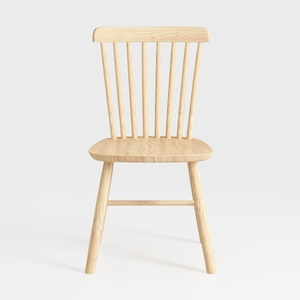

Minimalist Solid Oak Wood Dining Chair 3D Model

Modern Solid Wood Two Tone Office Desk With Storage Drawers Cabinets 3D Model
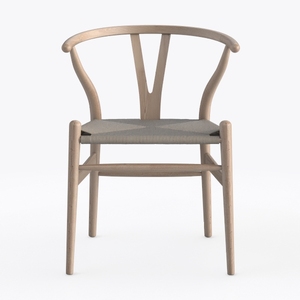
Minimalist Solid Wood Woven Seat Dining Chair 3D Model
Looking to transform your space? Homestyler offers an exceptional online design tool that empowers you to create stunning interiors. With rich 3D renderings, a vast selection of design projects, and engaging DIY video tutorials, you’ll have everything you need to realize your vision effortlessly.
Design Now for FREE
































