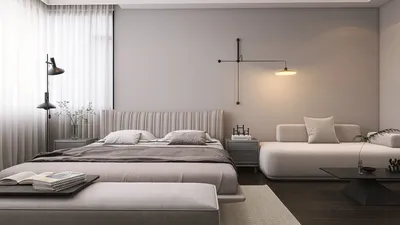


I once worked with a client who insisted that their waiting area should resemble the stylish lobby of a boutique hotel — but there was a twist: it had to fit within a compact 6 sqm nook. After sketching out ideas and sharing a laugh, I discovered how a small reception space can feel surprisingly generous by utilizing a quick visual room mockup, thanks to tools like Homestyler, before making any purchases.
1. Layered Seating for Flexible Flow
I enjoy combining a sleek sofa with a couple of single chairs and a bench. This arrangement effectively creates different zones for individual waiting, small discussions, and brief laptop work. However, careful measurement of circulation is essential to ensure that visitors don’t feel constrained.
save pin
2. Use Vertical Styling to Elevate the Space
Incorporating tall plants, vertical slatted walls, or stacked shelving can draw the eye upward, making the ceilings appear higher. The trade-off, however, is maintenance: living plants and open shelves require consistent care but add warmth and character to the space.
save pin
3. Multipurpose Surfaces and Intelligent Storage
A slender console that serves as both a workspace and a brochure station is transformative. For layouts I need to validate quickly, I refer to a straightforward reception layout example on Homestyler to test aisle widths and seating arrangements, ensuring everything fits perfectly before finalizing any millwork.
save pin
4. Light, Color, and Texture for Immediate Comfort
Utilizing soft textiles, a warm accent wall, and layered lighting can instantly make an impersonal area feel more inviting. Thoughtful color selections can be cost-effective yet impactful; the challenge lies in balancing brand colors with a timeless palette to ensure that the waiting area remains appealing over time.
save pin
5. Tech-Friendly, Yet Discreet
Incorporating charging points and a subtle display for arrival information is essential; keeping cords hidden and screens at a comfortable height is crucial. For realistic presentations to stakeholders, I create a lifelike 3D reception render using Homestyler — it’s the quickest way to align expectations, though the final finishes can still surprise once installed.
save pin
FAQ
1. What are the ideal seating options for small office waiting areas?
Opt for low-profile sofas, narrow chairs, and modular benches to maximize floor space. Comfortable dimensions are key, and it's important to leave at least 1–1.2 meters for circulation paths to ensure ease of movement.
2. How much space should I allocate per person?
For a seated visitor, about 0.6–0.8 sqm is recommended; for areas with mixed seating and circulation, aim for 1–1.5 sqm per person to avoid a cramped atmosphere.
3. Can incorporating plants enhance a waiting area's comfort?
Absolutely — plants introduce biophilic warmth and can enhance perceived air quality. It’s best to choose low-maintenance varieties suitable for low-light conditions to keep upkeep minimal.
4. How can I ensure the area remains easy to clean and maintain?
Select stain-resistant fabrics, sealed flooring, and furniture with minimal crevices. Removable cushion covers and straightforward shelving design will simplify long-term maintenance.
5. Is it necessary to integrate technology in modern waiting areas?
Basic tech features like easily accessible charging points and clear digital signage can significantly enhance the user experience; however, be cautious not to overcrowd the space with screens or noisy devices.
6. What are some budget-friendly ways to refresh a tired reception?
Consider swapping out cushions, updating lighting with warmer bulbs, adding a striking rug, or repainting an accent wall — sometimes, small modifications yield a substantial impact without a hefty budget.
7. Are there accessibility standards I need to follow?
Yes — ensure passageways are at least 90 cm wide, seating is at accessible heights, and surfaces are reachable for individuals using mobility aids. Since local regulations may vary, it’s advisable to consult municipal accessibility standards.
8. How do I address ventilation and health concerns?
Proper ventilation and the use of surface-cleanable materials are crucial, especially in the post-pandemic era. According to the CDC (cdc.gov), enhancing outdoor air ventilation and employing higher-grade filters can reduce the risk of airborne transmission effectively.
save pin
Looking to transform your space? Homestyler offers an exceptional online design tool that lets you visualize your ideas with stunning 3D renderings. Explore diverse design projects and enhance your skills with easy-to-follow video tutorials. It's perfect for anyone looking to create their dream home effortlessly!
지금 무료로 디자인하세요
































